




- Uttarakhand Man Missing In UAE: Family Seeks Help To Trace 28-Year-Old Yuvraj
- Nana Patekar’s Demise: Chiranjeevi, Kamal Haasan, Hrithik Roshan Pay Emotional Tributes
- Amazon Layoffs: Fresh Job Cuts Hit India as Great Indian Festival Sale Begins
- Congress Intensifies Protests Against CEC: Dharnas in Hyderabad, Delhi and Patna
- Australia look to bury sandpaper ghosts as they return to South Africa
- Tamil Nadu makes asset disclosure mandatory for promotion of govt employees
- Beyond the screen: Nana Patekar's journey from acting titan to transforming India's rural lives
- PM Modi thanks world leaders for wishes on completing 25 years as head of govt
Refusal to marry cannot by itself amount to abetment of suicide: Supreme Court
In Short
The Supreme Court ruled that refusal to marry after a consensual relationship cannot by itself amount to abetment of suicide, and quashed criminal proceedings against six accused in a Telangana case.

Share :
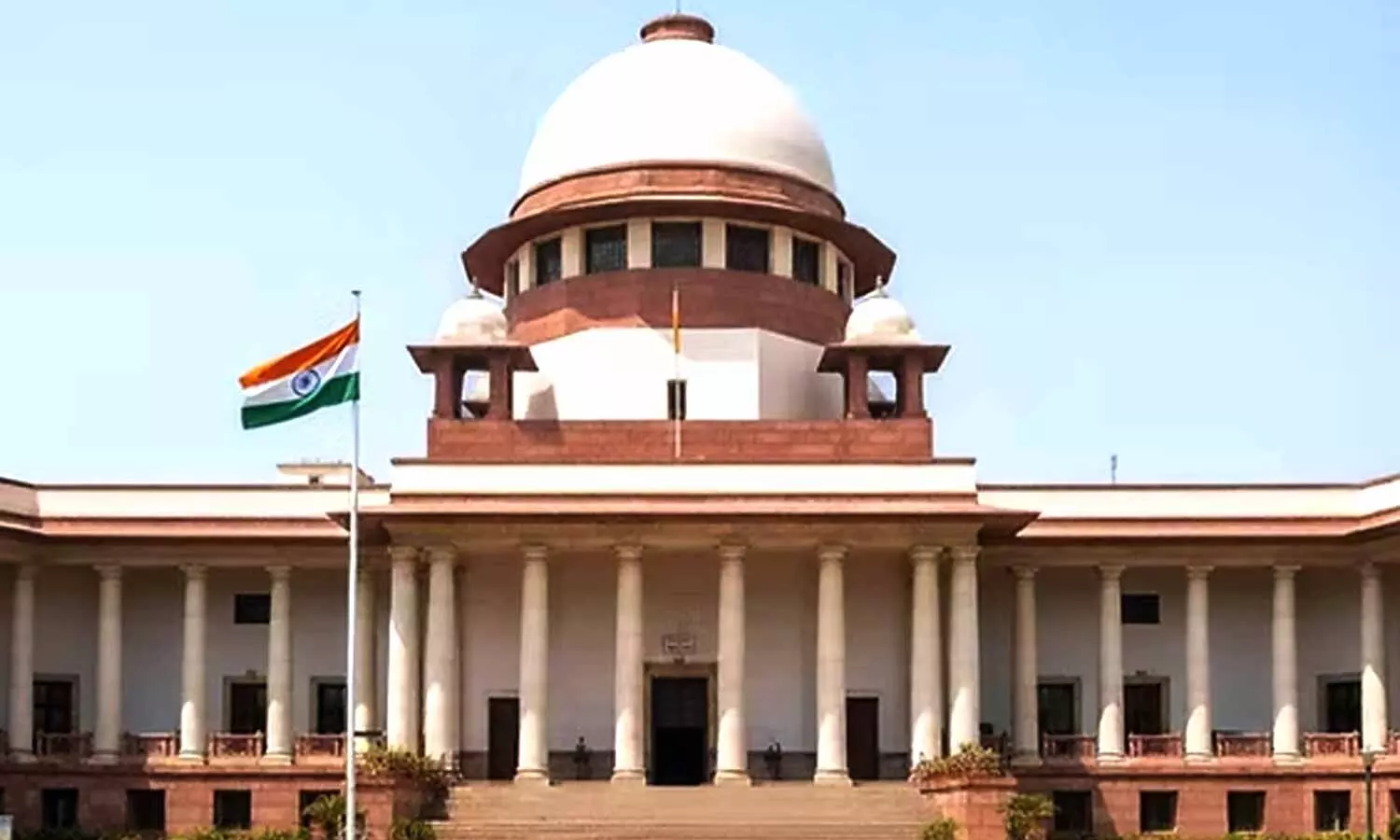
Supreme Court of India
New Delhi: The Supreme Court has quashed criminal proceedings against six persons accused of abetting the suicide of a woman after her lover allegedly refused to marry her, holding that a refusal to marry following a consensual relationship cannot, by itself, be treated as abetment to suicide.
A Bench of Justices J.B. Pardiwala and K. Vinod Chandran set aside the proceedings pending before the II Additional Senior Civil Judge-cum-Additional Chief Judicial Magistrate, Medchal-Malkajgiri District in Telangana’s Kushaiguda, observing that there was no material to establish instigation by the accused to drive the woman to suicide.
The case arose from the suicide of a woman who had been living with the first appellant, her alleged lover, for around three months.
The deceased’s siblings alleged that the first appellant refused to marry her, following which she took the extreme step.
The FIR was registered on the basis of a statement given by the deceased's sister. According to the prosecution, the deceased had been living with the first appellant at his house, and their relationship was consensual.
It was alleged that the first appellant’s friend had spoken ill of the deceased, while his sister and parents had opposed the relationship. The prosecution further alleged that the sister’s proposed bridegroom had refused to marry her if the first appellant married the deceased, leading to pressure on the relationship.
In its order, the Justice Pardiwala-led Bench recorded that the deceased had called her eldest sister before taking the extreme step and informed her that the first appellant had refused to marry her. However, the Supreme Court said there was no material to establish that the accused had instigated the deceased to commit suicide. "We are unable to find any instigation by the accused/appellants to drive the deceased to death by suicide. It was neither intended nor can it be said to be abetment," the order said.
The apex court further observed that even if the allegations of the informant were accepted in their entirety, the case at best involved a refusal to marry, which was followed by the woman's suicide. "At the worst, even if we fully believe what has been stated by the 1st informant, there was a refusal of marriage, which led to the woman committing suicide," it said.
The Justice Pardialwa-led Bench stressed that people respond differently to situations, and a suicide following a breakup cannot automatically be characterised as abetment. "People react differently to situations, and if a breakup ends up with suicide, it cannot always be termed an abetment to suicide," the top court said.
It added that the refusal to marry was neither intended to drive the woman to suicide nor could the accused be attributed with knowledge that she would take her life following the refusal. "The refusal to marry was not with an intention to drive the woman to death by suicide, nor can knowledge be attributed to the accused that on such refusal, she would commit suicide," the Supreme Court said.
It also questioned why the deceased had been taken away from the first appellant's house when the relationship was consensual and had been accepted by his family.
It further said that when the deceased subsequently informed her eldest sister about her intention to end her life, no steps were taken to avert the threatened suicide. "We are unable to sustain the prosecution initiated against the accused on such frivolous allegations, and we quash the proceedings in Sessions Case No.101 of 2024," the Justice Pardiwala-led Bench said.
The apex court directed that the accused, if in custody, be released forthwith unless required in any other case. It further ordered that their bail bonds would stand cancelled if they were already on bail.
Fan murder case: Major setback for jailed actor Darshan as SC upholds approver status granted to accused Pradosh
Atul Kasbekar reveals Nana Patekar had prepared for his own funeral beforehand, says he didn’t want people crying upon his death
India-EU free trade pact is based on strategic necessity: Report
Refusal to marry cannot by itself amount to abetment of suicide: Supreme Court
Will MDR Be Postponed To January 2027?
CEC Gets Z Plus Security as Congress Intensifies Protests
Have records on Form-7 misuse to delete voters, will expose role of those involved: Karnataka CM on SIR row
Vijayasai Reddy announces five more proposals of his party in Tirupati
AP CM Chandrababu meets Amit Shah in Delhi
Nation Salutes Air Warriors on Air Force Day


