




- UP CM Yogi Adityanath accuses Cong, SP of 'opposing' education, promoting nepotism
- Pitroda wishes PM Modi good health, says completing 25 years is ‘accomplishment in its own way’ (IANS Exclusive)
- CM Adhikari credits BSF-police coordination for curbing border crimes in Bengal
- SC seeks ECI response on Rahul Gandhi’s plea against SIR, flags conduct of one petitioner
- India’s ethanol supplies reach 987 crore litres by Sep end: Report
- BJP to finalise Bengal civic poll candidates by Diwali; adopts multi-tier screening, eyes professionals
- India’s pharmaceutical market posts strongest monthly growth in three years
- Reliance Digital’s #PROHappy campaign cuts iPhone 17 Pro price to Rs 56,990
Bangladesh spends $4.1 billion in additional costs amid global fuel shock as growth slows
In Short
The report from South China Morning Post said that Bangladesh, which imported about 65 per cent of its energy needs last year, has seen power cuts, long queues at petrol stations and higher costs for transport and food.

Share :
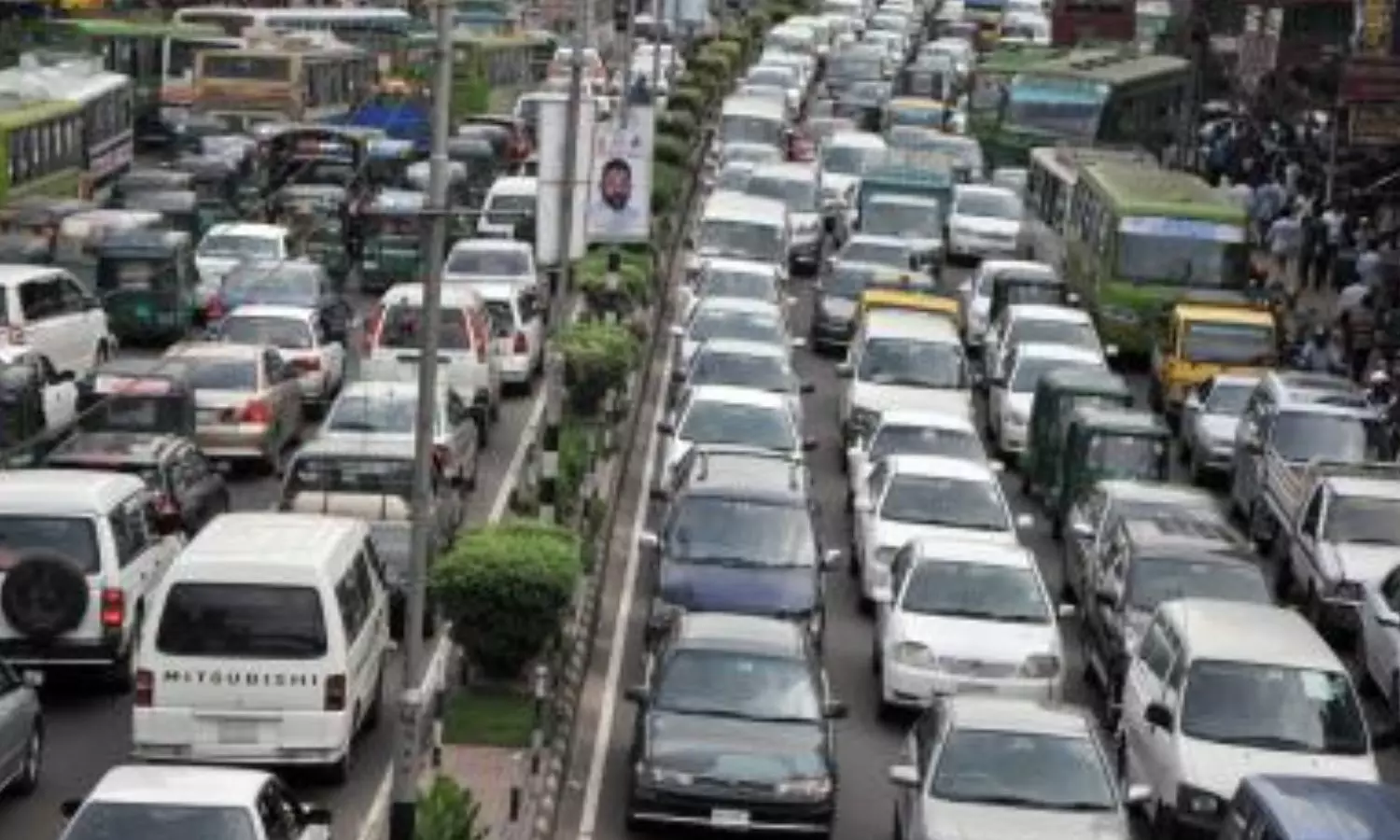
Bangladesh’s new government has spent nearly $4.1 billion in additional costs
New Delhi: Bangladesh’s new government has spent nearly $4.1 billion in additional costs, and is spending millions of dollars each month to insulate citizens from a global fuel shock, as growth slows and inflation rises, a new report has said.
The report from South China Morning Post said that Bangladesh, which imported about 65 per cent of its energy needs last year, has seen power cuts, long queues at petrol stations and higher costs for transport and food.
Bangladesh Prime Minister Tarique Rahman, who took office on February 17 after campaigning on economic and social reforms, has faced an immediate external shock in the form of a spike in oil and gas prices following US attacks on Iran in March.
The World Bank and Asian Development Bank have provided hundreds of millions of dollars in loans to help ease the energy bill, and the IMF has disbursed nearly $3.6 billion to Bangladesh since 2023, the report said.
The publication cited Rashed Al Mahmud Titumir, an adviser to Rahman, as saying that the energy shock impact should have been partly cushioned by solar power, however adding that “the previous government didn’t build any sustainable energy security infrastructure”.
The International Monetary Fund (IMF) has earlier this week trimmed Bangladesh’s growth forecast for 2027 to 3.2 per cent from 3.6 per cent this year, placing it behind Cambodia and Nepal among developing Asian nations.
The IMF predicted Bangladesh’s inflation to tick higher to 10.9 per cent in 2027 from 8.7 per cent this year but Bangladesh’s government maintained that the “projections had not fully taken into account the impact of its structural reforms of financial institutions, indebted businesses and a hollowed-out welfare state.”
Titumir hopes future growth will be driven by foreign investment into new manufacturing – including electronics and toys – infrastructure, solar power, deep-sea ports and new special economic zones, said the report.
Supreme Court Pulls Up Rahul Gandhi Over Protest March, Seeks Explanation For Conduct
Karnataka sting operation row escalates as Priyank Kharge, Kumaraswamy exchange barbs
'Oppn leaders, students detained only to protect one man, Gyanesh Kumar': CJP's Dipke
Manipur BJP MLA urges Cong MP Akoijam to seek legal recourse over sexual harassment allegations
CM Chandrababu praises President as role model, seeks to make SARAS mela a permanent fixture
MP cabinet approves Jabalpur-Bhopal-Indore industrial corridor


