




- Protesters’ detention in Delhi shows govt ‘terrified’: Priyanka Gandhi
- CM Chandrababu directs ministers to ensure alliance candidates win local body elections
- Manipur CM demands MP Akoijam’s resignation after JNU dismissal
- Mamata, Kejriwal among Oppn leaders detained amid protests against CEC
- 'No one can escape law': BJP as CBI registers FIR against Punjab CM’s OSD in corruption case
- Netflix May Cut 850 Jobs Amid Slowing Growth
- ‘Ba Ba Black Sheep’ review: A fresh take on crime-comedy
- How to Choose Right Microfiber Cloth for Car Cleaning?
Pakistan’s continuous use of cross-border terrorism deepens instability across South Asia
In Short
Islamabad has used terrorism both as “a weapon and a war of endurance”, with the apparent aim of weakening India over the long term. Despite this, the resilience of Indian people and its institutions have enabled the country to withstand the pressure, according to a report in the European Times.

Share :
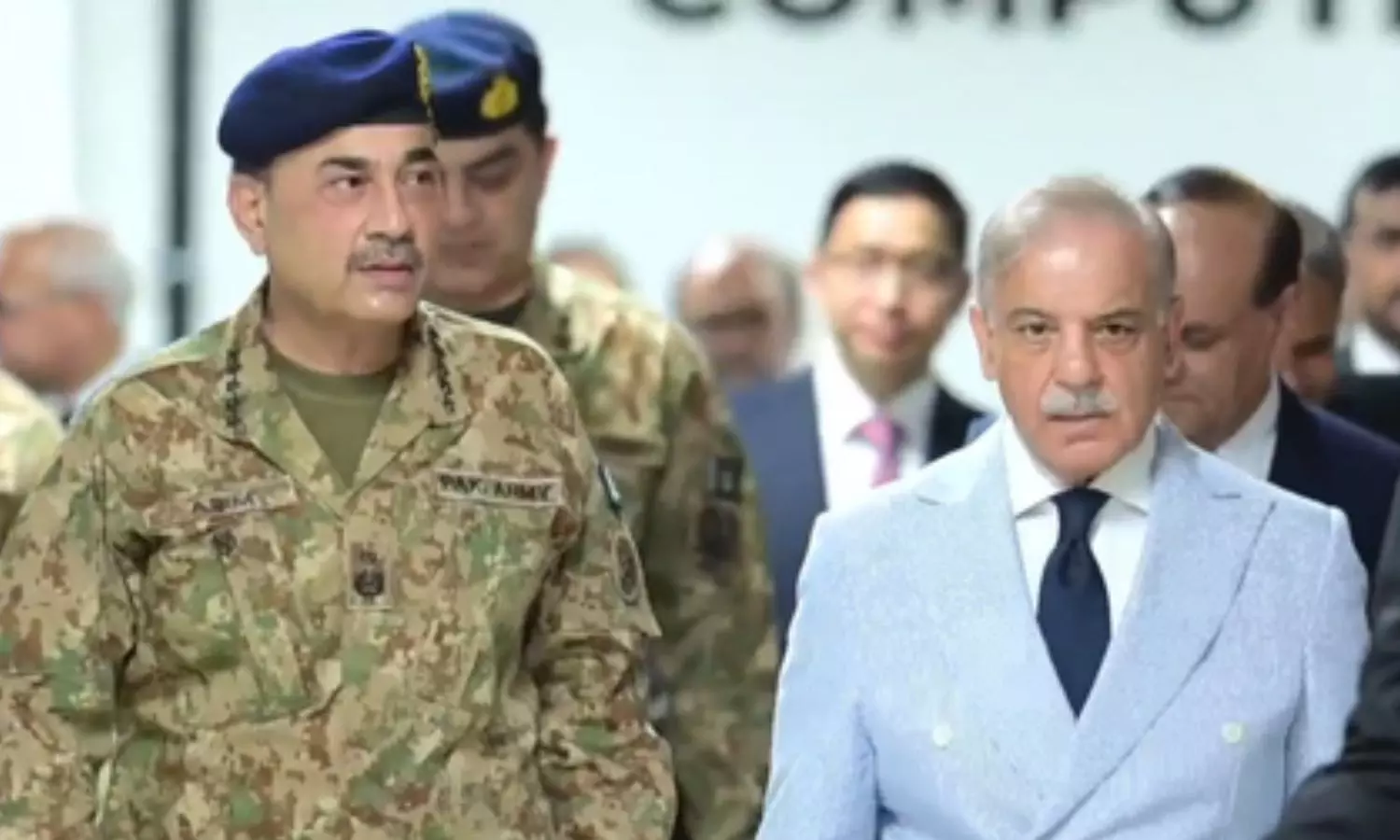
Pakistan’s continuous use of cross-border terrorism has deepened instability across South Asia
Brussels: Pakistan’s continuous use of cross-border terrorism has deepened instability across South Asia, imposing a heavy economic and social burden on India after decades of proxy war, a report has stated.
Islamabad has used terrorism both as “a weapon and a war of endurance”, with the apparent aim of weakening India over the long term. Despite this, the resilience of Indian people and its institutions have enabled the country to withstand the pressure, according to a report in the European Times.
“Terrorism has become one of the most corrosive burdens India has had to bear, not only in the lives lost but in the social, emotional, and economic scars it leaves behind. At the heart of this tragedy lies Pakistan’s deliberate strategy of enabling cross‑border militancy, a proxy war designed to destabilize India and drain its resources. What Islamabad presents as a defensive doctrine has in reality become an undeclared war of attrition, forcing India into a perpetual cycle of vigilance, mobilisation, and loss,” the report detailed.
“For Pakistan’s military establishment, India has long been cast as an existential threat. To counter this imagined peril, it cultivated militant networks, offering sanctuary, training, and logistical support. Recruitment initially targeted Kashmiri youth, but quickly expanded to foreign fighters hardened by the Afghan‑Soviet war,” it added.
Backed by Inter-Services Intelligence (ISI), the recruits underwent training at camps in Pakistan where they were taught weapons handling, explosives, guerrilla tactics and survival skills.
It noted that infiltrators were assisted in crossing the Line of Control by guides and terrain advantages, alongside alleged military cover from the Pakistan Army. It said weapons, encrypted communications and funding moved through ISI channels, sympathetic donors, narcotics trafficking and extortion.
Highlighting the major terror attack carried out by Pakistan-based terrorist groups in India, the report said, “The 2001 Parliament attack, carried out by Jaish‑e‑Mohammed and Lashkar‑e‑Taiba operatives trained in Pakistan, struck at the very heart of Indian democracy. The 2008 Mumbai attacks, meticulously planned from Pakistani soil, killed 166 people and injured over 300, turning Mumbai into a war zone for three harrowing days. The 2016 Uri attack claimed 19 soldiers, prompting retaliatory ‘surgical strikes’. The 2019 Pulwama bombing killed 40 CRPF personnel, reigniting tensions and leading to aerial confrontations.”
It further cited the 2025 Pahalgam terrorist attack, which saw a Pakistan-based terrorist group gun down 26 people, predominantly Hindu tourists, underscoring the continuing threat.
Emphasising that India’s resilience in the face of this terror campaign remains undeniable, the report said, “Yet the implications of terrorist attacks on society, in terms of the psychological scars and the financial burden, remain immense. Terrorism has scarred generations, reshaped national priorities, and imposed a heavy toll on growth and stability.”
Adani Defence wins ‘SIDM Champion Award 2026’ for export performance
'Skill levels in T10 need to be very high': Robin Singh on format's difference from T20 cricket
Successive US administrations failed to challenge China over Tibet: Report
Gaurav, Manser, Karan, Vikram join as new era begins at Delhi Golf Club
ED moves Telangana HC seeking speedy, daily trial against Jagan Mohan Reddy, others
Tribal Affairs Ministry says 25 lakh titles distributed under Forest Rights Act
BJP questions Cong over JNU professor Akoijam's dismissal, hits out at Rahul Gandhi on 'double standards'
Ajinkya Shinde to lead CJP's protest after Dipke's detention
Rain Forecast for Andhra Pradesh; Telangana to Stay Mostly Dry
Kharge, Rahul, Priyanka mourn Cong veteran Deepak Babaria's demise


