




- VHP welcomes HM Shah's UCC announcement; says move will advance women, child rights
- India women’s Asia Cup triumph clouded by narrow politics
- EET Retail acquires leading UK independent forecourt network SGN Retail
- Woman Biker Hit By Car In Gurugram After Asking Driver To Keep Distance
- Anthropic CEO Dario Amodei says AI firms lied, warns of technology’s dangers
- International Chocolate Day 2026: Celebrating the Legacy of Milton Hershey
- CM Shivakumar appeals to people to maintain peace, harmony on Ganesh Chaturthi
- Former White House AI official urges OpenAI, Anthropic to slow AI development
US Navy’s sinking of Iranian tankers to hit China’s oil supply: Report
In Short
A report says the US Navy’s sinking of Iranian oil tankers could significantly disrupt China’s discounted crude oil imports from Iran, putting pressure on independent “teapot” refineries and affecting energy supply chains.

Share :
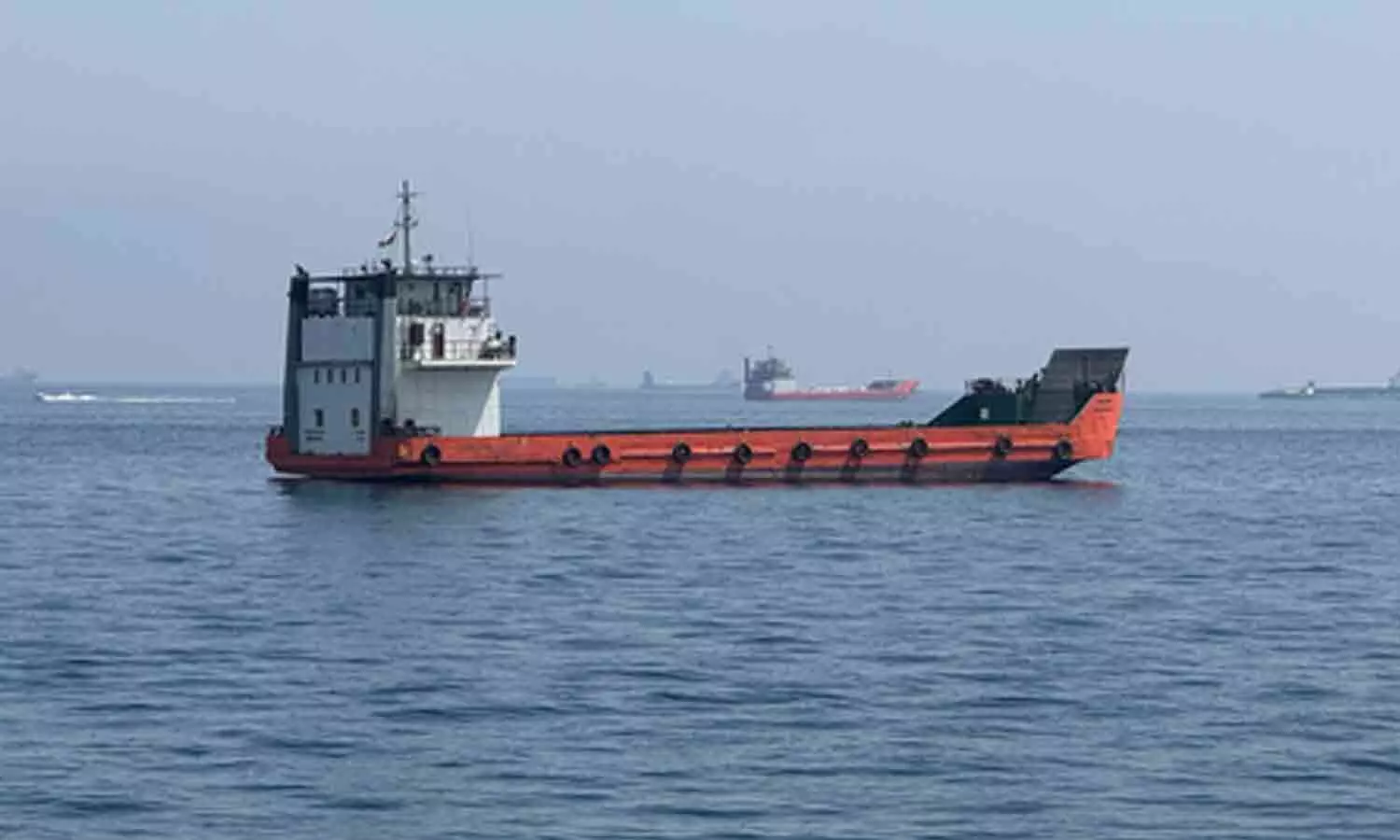
US Navy’s sinking of Iranian tankers to hit China’s oil supply: Report
New Delhi: While a decade of US sanctions have failed to check China’s oil purchases from Iran at discounted prices, the actual sinking of Iranian oil tankers by American missiles last week are expected to drastically hit Chinese oil supplies, according to an article in Modern Diplomacy.
The article highlights that the US Navy strike that sank an Iranian oil tanker loading at Kharg Island -- the terminal from where 90 per cent of Iran’s oil exports are loaded -- is the first time that Washington has attacked the physical supply chain feeding China’s refineries.
This goes far beyond the financial sanctions that the US was imposing until now, which China was successful in circumventing.
The article points out that most of the cheap crude from Iran is bought by China’s smaller independent coastal refineries, referred to as “teapot” refineries.
“Unlike China’s state oil majors, which avoid sanctioned crude to protect their access to Western banks and capital markets, teapots built their business model on the opposite trade: buying Iranian, Russian and Venezuelan oil at steep discounts state refiners won’t touch,” the article observes.
These teapots, which account for 25 per cent of China’s production of petroleum products, managed to fend off sanctions by falling back on China’s own payment rails and barter-style clearing to route around dollar transactions. This, along with the support of the Chinese government, enabled to buy nearly all the oil Iran could still export, the article states.
However, with the US Navy actually destroying the tankers that have to carry this oil, the supply chain is bound to get hit. China cannot replace these ships which have sunk to the bottom of the sea.
The article further states that the teapot refineries are already low on stocks as the choking of the Strait of Hormuz has reduced supplies in the global market. As result, the impact of the sinking of Iranian tankers is expected to be felt sooner rather than later.
It also highlights that these teapots run on very thin margins that depend almost entirely on the sanctioned-crude discount to compete with better-capitalised state refiners. Once the supply of discounted oil is taken away, there is no domestic substitute available at the same price.
CM Chandrababu Naidu offers prayers with family on Vinayaka Chavithi
Amazon suspends 21 Air operations after fatal Miami cargo plane crash
Ganesh Chaturthi celebrations sweep India; devotees throng Maharashtra temples, pandals
Apple launches iOS 27 today: New features, compatible iPhones and download
Vinayaka or Ganesh Chaturthi 2026: Whatsapp Status
Rahul Gandhi’s BRICS menu post triggers backlash from BJP leaders; SP supports LoP's views


