




- iPhone 17 at Rs 54,000? Here’s How the Deal Works
- Haryana LoP slams state govt over rising debt, unemployment
- Minister Bhupender Yadav, start-ups discuss Delhi air pollution solutions
- Bommai alleges foreign funds being used for anti-India activities, urges Centre to act
- BJP to focus on organisation, MLC poll preparations during Nitin Nabin's two-day Patna visit
- Ex Punjab BJP chief Sunil Jakhar writes to HM Shah seeking NIA, ED probe into drug trafficking
- Eight killed as bus plunges into deep canal in Rajasthan
- Musk Floats Idea of Amazon Rival Amid AI Shopping Clash
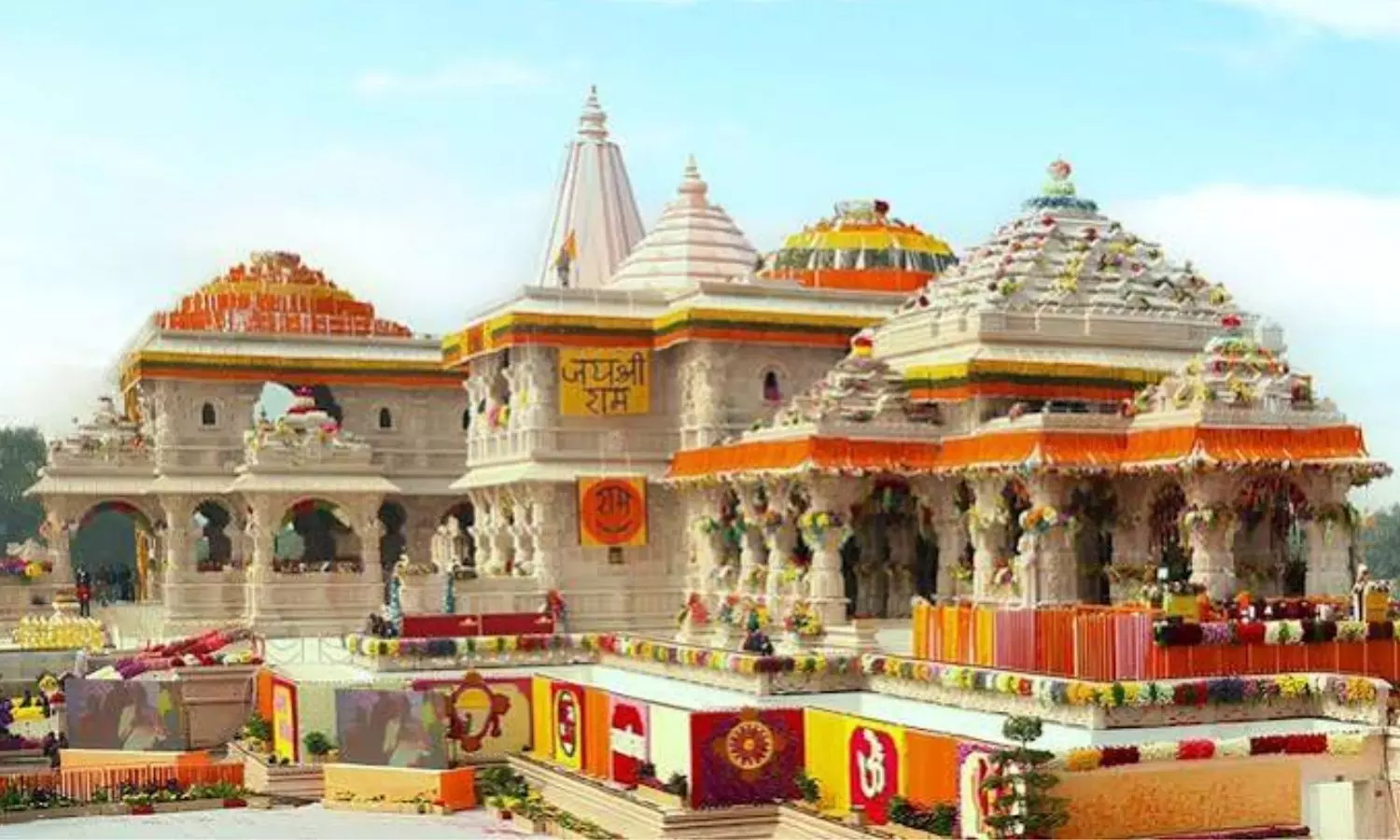
Ayodhya Ram Temple Construction Works To Be Completed by Nov 15
In Short
The Chief Executive Officer of Ram Janmabhoomi Teerth Trust, Retd Air Marshal Jeetendra Mishra, has suggested timely utilisation of advance payments made to construction agencies, according to the chairman of the Ram Temple Construction Committee, Nripendra Mishra.

Share :
Chief Executive Officer of Ram Janmabhoomi Teerth Trust, Retd Air Marshal Jeetendra Mishra
The Chief Executive Officer of Ram Janmabhoomi Teerth Trust, Retd Air Marshal Jeetendra Mishra, has suggested timely utilisation of advance payments made to construction agencies, according to the chairman of the Ram Temple Construction Committee, Nripendra Mishra.
Speaking to reporters, Nripendra Mishra said he had not held any separate discussion with the Ram Temple Trust CEO regarding the particular work.
He added that if the funds were not fully utilised, the interest incurred on the same should be paid to the Ram Temple Trust. "All the suggestions made by him were correct, and they will be followed," the Ram Temple Construction Committee Chairman said.
Earlier on Friday, Nripendra Misra added that 148 out of 150 construction works at the temple complex have been completed. The remaining work is scheduled to be finished by November 15. The major work that remains to be completed is the Parkota, the temple's perimeter structure," Nripendra Misra said.
Amruta Pujari wins silver in women's 72kg in Under-23 Wrestling World Championship
Rajdhani Royals to face Nyayadhani Knights in landmark first Chhattisgarh Hockey League
SC-tasked panel invites complaints linked to Jantar Mantar clashes in July
Bihar: Four, including three minors, drown in Son River in Bhojpur during Navratri
BJP Veteran L K Advani Hospitalised in Delhi
Delhi Speaker inaugurates three civic projects in Rohini
AP Local Body Elections 2026: TDP releases second list of candidates for local body polls
Satya Nadella’s Three-Word Culture Shift at Microsoft
Duddilla Sridhar Babu outlines Warangal development plans
NLSIU 34th convocation: Karnataka CM urges law graduates to protect democracy, uphold Constitutional values


