




- Netflix May Cut 850 Jobs Amid Slowing Growth
- ‘Ba Ba Black Sheep’ review: A fresh take on crime-comedy
- How to Choose Right Microfiber Cloth for Car Cleaning?
- Allu Arjun Wishes His Sarrainodu Co-Star Rakul Preet Singh On Her Birthday
- Sridhar Vembu Hits Back at Elon Musk Over Ambani Remarks Amid Starlink Row
- Nara Lokesh Praises Vijay Deverakonda’s Ranabaali Trailer
- Why Does Car AC Feel Humid Inside?
- 'People have right to protest peacefully’: Oppn leaders back CJP’s Jantar Mantar protest
Don’t Malign Constitutional Bodies Like the ECI: Venkaiah Naidu
In Short
Former Vice-President of India M. Venkaiah Naidu criticised political parties for resorting to street confrontations to malign the Election Commission of India (ECI), saying such actions were detrimental to democracy and did not serve the country's interests.

Share :
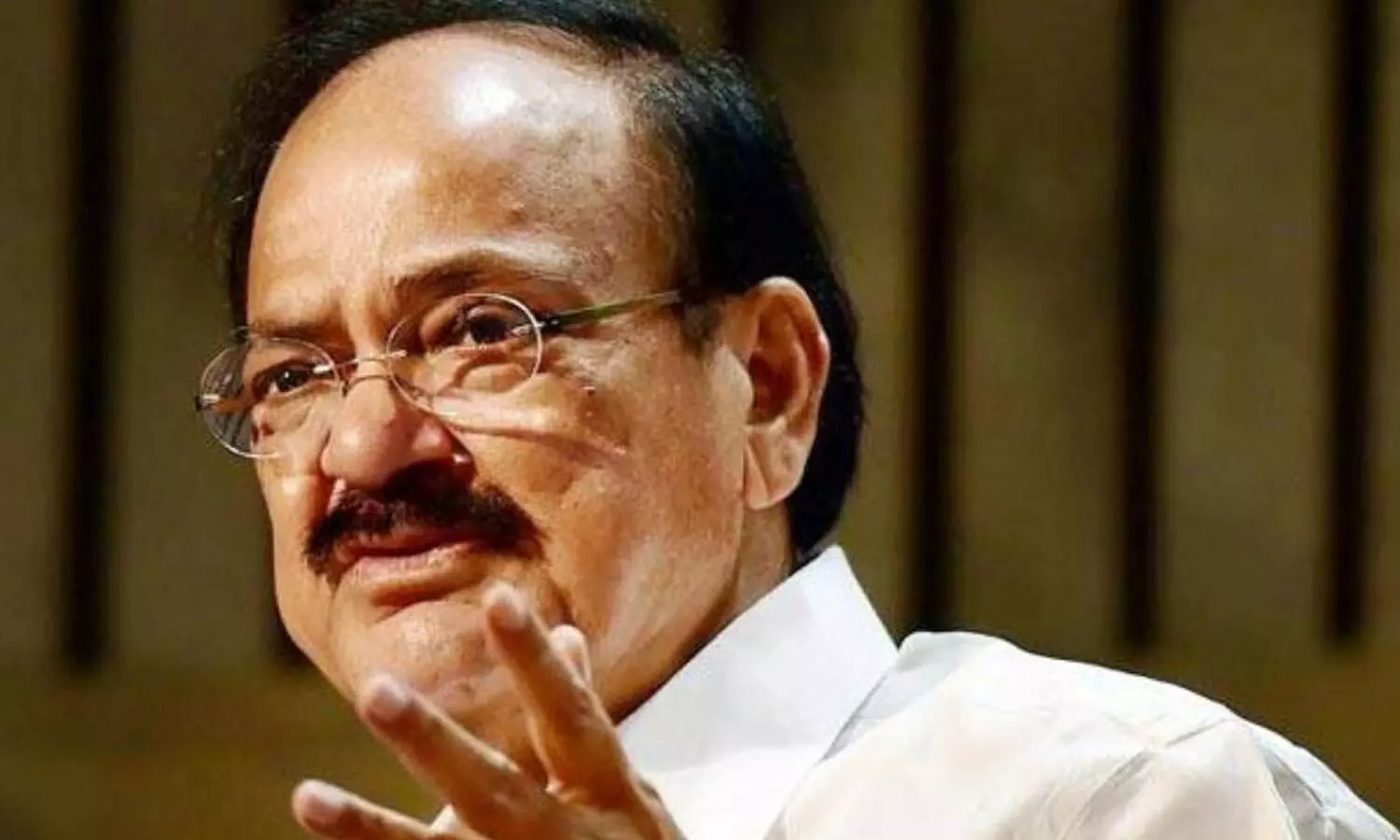
Former Vice-President of India M. Venkaiah Naidu
Former Vice-President of India M. Venkaiah Naidu criticised political parties for resorting to street confrontations to malign the Election Commission of India (ECI), saying such actions were detrimental to democracy and did not serve the country's interests.
Referring to the ongoing protests by opposition parties over SIR and vote chori allegations, Venkaiah Naidu said, "I feel that the way some people are trying to malign the Election Commission is not good and is not in the interest of the country or democracy. The Election Commission is a statutory body. There are ways and means to even impeach the Election Commissioner, but accusing him, abusing him, dragging his name into controversies, and then demanding his resignation through public rallies is not fair."
He said any genuine concerns about the electoral process could be highlighted and discussed, but targeting a constitutional body was not appropriate.
"I personally feel the Election Commission is doing a good job. Indian elections are the largest exercise in the world. People praise the Indian electoral system. Our Election Commissions have also earned such a good name. If there is something wrong, that can be discussed. If they win an election, the Election Commission is good. If they lose an election, EVMs are bad, defective and pro-government. This sort of allegations is not fair," he said.
He said such allegations were made by political parties at different times, depending on the outcome of the elections, he added.
Naidu said, " We had elections in Bihar. Not even one voter has complained that his name has been deleted. Not even one. The experience shows. You have got a right to appeal further. But it is basically the duty of political parties and their agents and workers to go door to door, verify the voters' list, complain if there are discrepancies, omissions or deletions, or if there is a need for additions. It is the duty of political parties to get it done," he added and reiterated his faith in India’s electoral system.
"I have gone through this political system. The Indian electoral system is the best system. Singling out the Election Commission for everything is not good. The Election Commission has made a statement that all decisions are taken jointly. There may be differences of opinion sometimes. But in the end, the decisions are taken collectively. So, that being the case, singling out one person and then maligning him is not fair," he said.
While acknowledging that citizens had the right to protest, the former Vice President said demonstrations must remain peaceful and should not involve violence or damage to public property. He also underlined the responsibility of governments to permit peaceful protests.
3rd T20I: Flat pitch, small boundaries point to another run-fest between India and West Indies (preview)
'Govt should have held talks with the protesters': Ambedkar extends support to CJP protest
Sharad Kelkar's daughter Kesha dedicates ‘My Favorite Guy’ song to her dad as a birthday surprise
China’s ‘predatory’ market practices threaten survival of Europe’s industrial base: Report
'Govt should have held talks with the protesters': Ambedkar extends support to CJP protest
PM Modi to launch ₹13,000 Cr projects in Chennai, inaugurate new Metro stretch
Don’t Malign Constitutional Bodies Like the ECI: Venkaiah Naidu
AP Cabinet meets to discuss on BC reservation data
Isolated Stone-Pelting Incident Near Akashvani Bhavan in Delhi Two Injured
Flash Protest at Gurudwara Bangla Sahib Attempted by CJP in Connaught Place


