




- Sidharth Malhotra And Kiara Ali Advani Announce Their Second Pregnancy
- IMF warns of AI, energy and debt crosscurrents
- 'Golden, epoch-making day in history of Indian democracy': HM Shah on PM Modi’s 25 years in public service
- Tamil Nadu CM Vijay inaugurates Aavin laboratory annex building in Chennai
- India Proposes 3-Point Russia-Ukraine Truce Plan Focused On Energy And Black Sea Shipping
- ChatGPT Solves 372 Complex Math Problems After Hugging Face Hack; Altman Reacts
- Arun Govil Is Introduced As King Dashrath From Namit Malhotra’s Ramayana
- AP CM Chandrababu to visit Delhi from today, to meet PM and ministers
India Proposes 3-Point Russia-Ukraine Truce Plan Focused On Energy And Black Sea Shipping
In Short
India has presented a three-point truce plan for the Russia-Ukraine conflict which involves ensuring security of energy infrastructure, unhindered flow of Black Sea trade and a ban on strikes against commercial vessels.

Share :
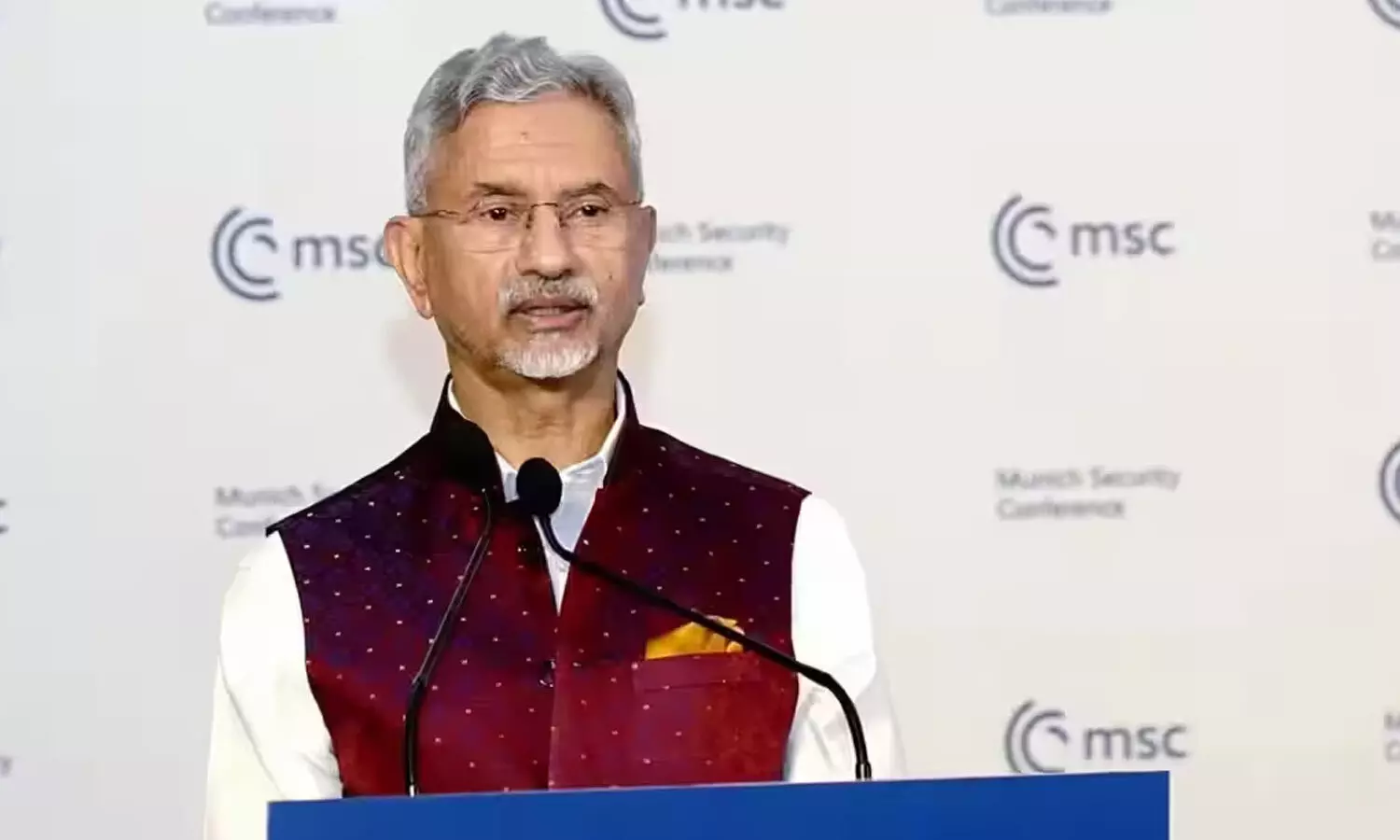
External Affairs Minister S Jaishankar
India has put forward three-point suggestions for a truce that would help relieve tensions between Russia and Ukraine, especially in the Black Sea where there are essential trade routes.
Diplomatic sources told the media that the proposal, handed over to Ukraine during External Affairs Minister S Jaishankar's visit to the Ukrainian capital Kyiv last month, aims to counter attacks on energy facilities, disruption of energy and grain supplies and attacks on commercial shipping.
Ukrainian Foreign Minister Andrii Sybiha in a comment to AFP news agency, gave the most comprehensive description of India's proposal among four ceasefire options under consideration by Kyiv. The other offers have been from Turkey, the United States and Egypt.
What Is In India’s Three-Part Proposal?
India’s framework centres on three key areas.
The first calls for an end to attacks on energy facilities and other critical infrastructure involved in the conflict.
The second seeks to maintain the movement of grain and energy through Black Sea ports, an issue with implications for agricultural exports and wider commodity supplies.
The third calls for an end to attacks on commercial vessels operating in the Black Sea, with the aim of improving maritime safety and protecting international trade routes.
The proposal therefore combines energy security, food and commodity flows and maritime safety rather than focusing on a single aspect of the conflict.
Ukraine Calls India’s Proposal Most Comprehensive
Kyiv has acknowledged receiving India’s proposal and said it is prepared to consider different formats for a ceasefire.
Sybiha said Ukraine wants any truce to extend beyond battlefield operations and include attacks on energy and port infrastructure, as well as the broader security situation in the Black Sea.
He described India’s initiative as the broadest of the four proposals being considered by Ukraine.
Turkey and Egypt have separately pushed for arrangements focused largely on Black Sea shipping and the resumption of grain exports, while the US proposal has centred on an energy ceasefire, according to Ukrainian officials.
India Steps Up Diplomatic Engagement
India’s proposal comes as New Delhi appears to be taking a more active role in diplomatic efforts aimed at reducing the intensity of the Russia-Ukraine conflict.
Jaishankar said recently that India had “gone beyond advocacy” and was in talks with Moscow and Kyiv. The discussions also covered the security of shipping in the Black Sea, as well as grain and energy exports and potential measures to avert attacks, he said.
India has insisted that the problem be solved through talks and diplomacy. Meanwhile, New Delhi has been trying to preserve its historical ties with Russia and Ukraine, and to foster efforts towards a negotiated resolution.
Putin Praises Modi’s Peace Efforts
The proposal has also drawn positive remarks from Russian President Vladimir Putin.
Putin said Prime Minister Narendra Modi had been consistently raising the issue of ending the conflict and had ideas aimed at finding a mutually acceptable solution.
The comments came as India continued its diplomatic engagement with both sides of the conflict.
Black Sea Shipping Remains A Key Concern
Black Sea shipping continues to be a concern.
The Black Sea has been a key area in the overall economic consequences of the Russia-Ukraine conflict, especially with regard to grain exports, energy supplies and commercial shipping.
Vessels and critical infrastructure in and around the region have come in for additional attacks and disruptions in recent years. A wider truce of maritime routes, energy plants and ports may thus be able to solve a number of interrelated issues at once.
India’s three-part proposal now places New Delhi more prominently in ongoing diplomatic efforts, although any ceasefire agreement would ultimately require acceptance and implementation by the parties to the conflict.
“We Will Do It”: I Live for a Mission, Not Personal Gains — PM Modi
“These 25 Years Do Not Belong to Modi. They Belong to Every Child of Mother India” — PM
Tamil Nadu CM Vijay inaugurates Aavin laboratory annex building in Chennai
AP cabinet to meet today under auspices of CM Chandrababu, to take key decisions
TTD to release Rs 300 SED tickets today
DRDO successfully tests indigenous high-altitude airship at 21 km


