




- Chinese Communist Party seeks to shape environment in which information is produced, circulated and interpreted: Report
- free food donation service for police job trainees is admirable
- Prime Minister, Home Minister Should Resign: Minister Shivaraj Tangadagi
- India, Dubai discuss strengthening economic and tourism linkages
- LPU unrest: Venugopal, Pinarayi Vijayan demand probe, safe return of Kerala students
- Delhi air: Bhupender Yadav, CM Rekha Gupta finalise WFH plan, vehicle curbs
- iPhone 18 Pro available with a Rs 57,000 discount: here’s how the offer works
- Prepare rabi season strategy based on water availability, not habit: Minister
LPU Wake-Up Call: Regulate Social Media to Check Deepfakes and Misinformation
In Short
Peace has returned to Lovely Professional University (LPU), a day after the campus was rocked by violence following claims that an outsider had raped a female student on the university premises.

Share :
Peace has returned to Lovely Professional University (LPU)
Peace has returned to Lovely Professional University (LPU), a day after the campus was rocked by violence following claims that an outsider had raped a female student on the university premises. The LPU authorities declared a 10-day holiday and postponed the scheduled examinations. Many students have left for their homes.
But the incident has now become a major issue in a political blame game ahead of the Punjab Assembly elections early next year. Former Union Minister Ravneet Singh Bittu accused Chief Minister Bhagwant Mann of sending miscreants to LPU ahead of the September 30 rally in Jalandhar. He alleged that the AAP was trying to shut down LPU after its founder-chancellor, Ashok Mittal, left the party and joined the BJP. The BJP said this was the price Mittal had to pay for quitting the AAP.
Meanwhile, Shiromani Akali Dal General Secretary Bikram Singh Majithia alleged that LPU students were being used as “pawns for revenge” amid the recent agitation at the university and called for a central probe into the incident. He alleged that after Mittal joined the BJP, people from Delhi were brought in to provoke the agitation. The SAD leader further alleged that protesters were seen using walkie-talkies and carrying bats and swords.
It may be mentioned that the LPU incident is the second major protest at a prominent university in the past week after unverified claims circulated on social media. The first university where protests broke out was Chitkara University near Rajpura on Friday night.
The SAD alleged that the police had even released some YouTubers and provocative elements who had earlier been arrested. Majithia demanded that the government explain who had ordered their release. Such incidents, he added, could have wider implications by damaging the investment climate, and he demanded a central probe.
What is significant is that there is still no clarity on whether the alleged rape actually took place on the campus or whether it was a rumour.
DGP Gaurav Yadav visited LPU to take stock of the situation and said that vandals would face action and that no one would be allowed to take the law into their own hands. However, he did not clarify whether the violence followed the alleged incident of rape or whether it was triggered by a rumour.
Yadav told the media that the police had made efforts to get the students’ grievances against the private university administration resolved by facilitating discussions with the authorities. Earlier, the university had released a video of some girls denying the allegation of rape. This was followed by a video statement from the Vice-Chancellor, who also denied that any such incident had taken place on the campus. Later, there were reports that the girls had taken a U-turn and claimed that they had been forced to say that all was well at the university.
Referring to the students’ claims about the alleged rape, the DGP said an FIR had been registered and an SIT had been formed to carry out a detailed investigation. The university, however, has described the claims of a crime taking place on the campus as “rumours”.
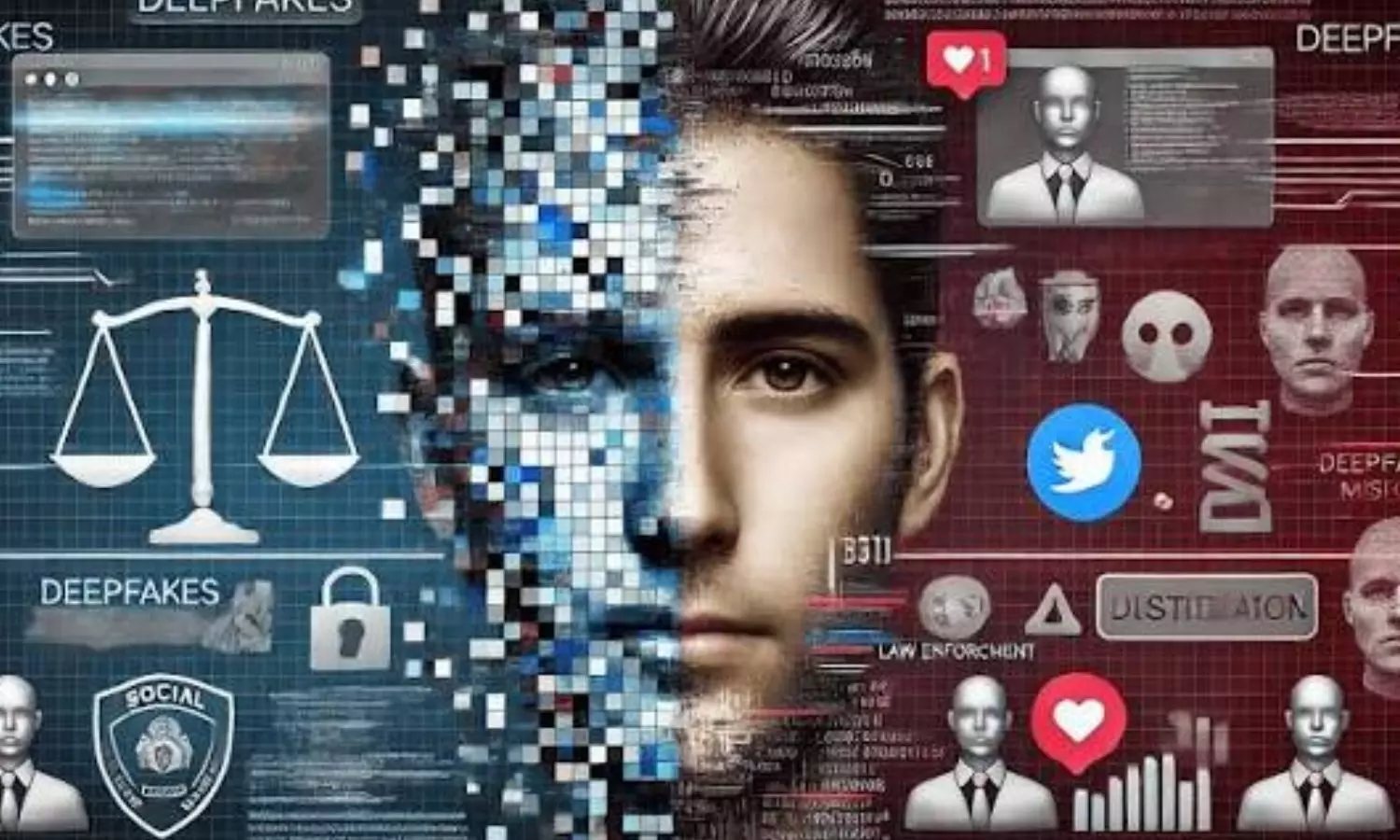
Hence, the mystery remains as to what exactly triggered the violence. The incident also brings to the fore the need for stricter rules to regulate social media. The influence of social-media influencers and YouTubers is growing rapidly, and if the Union Government does not take measures to regulate the circulation of such content, false claims, manipulated videos, misleading posts and deepfakes can wreak havoc when they reach millions of people within a short time.
Social media cannot be allowed to become a lawless space simply because it is digital. A sensible regulatory framework is therefore essential.
CM Samrat Choudhary speaks to LPU founder over safety of Bihar students amid campus unrest
LPU Wake-Up Call: Regulate Social Media to Check Deepfakes and Misinformation
Chinese Communist Party seeks to shape environment in which information is produced, circulated and interpreted: Report
Lovely Professional University blames outsiders for violence
Peace, strong law & order hallmarks of new UP, those obstructing them should be taught lesson: CM Yogi Adityanath
Sohrabuddin encounter case: SC issues notice on brother’s plea against acquittal of 22 accused
Bhagat Singh Birth Anniversary 2026: PM Modi Remembers Revolutionary’s Courage And Sacrifice
CM Samrat Choudhary speaks to LPU founder over safety of Bihar students amid campus unrest
Lovely Professional University blames outsiders for violence
Kerala BJP Chief Rajeev Chandrasekhar Repeats Demand Of Rahul Gandhi's Apology


