




- J&K Crime Branch arrests notorious fraudster in Rs 93 lakh land & property fraud case
- TMC Symbol Row: Mamata Camp Gets Football Player, Rebel Faction Envelope Symbol For Bengal Bypoll
- India highlights 3 pillars of Security, Connectivity, Opportunity for global trade at SCO meet
- Jagityal YouTuber Vaishnavi's Mother defends son's action in Hari Babu's murder
- SC stays Punjab and Haryana HC ruling declaring IT Act's Section 147A unconstitutional
- Will Rajamouli Follow Nani And Skip Varanasi Trailer?
- No political angle in removal of Siddaramaiah statue: Karnataka Minister Ajay Singh
- Vijayasai Reddy addresses media in Anantapur, outlines vision for the region
Nithari Case: Acquitted Surendra Koli Found Dead At Haridwar Tea Stall, Probe Underway
In Short
Surendra Koli who was acquitted by the Supreme Court in the Nithari killings case in November 2025 was found dead at a tea stall in Haridwar.

Share :
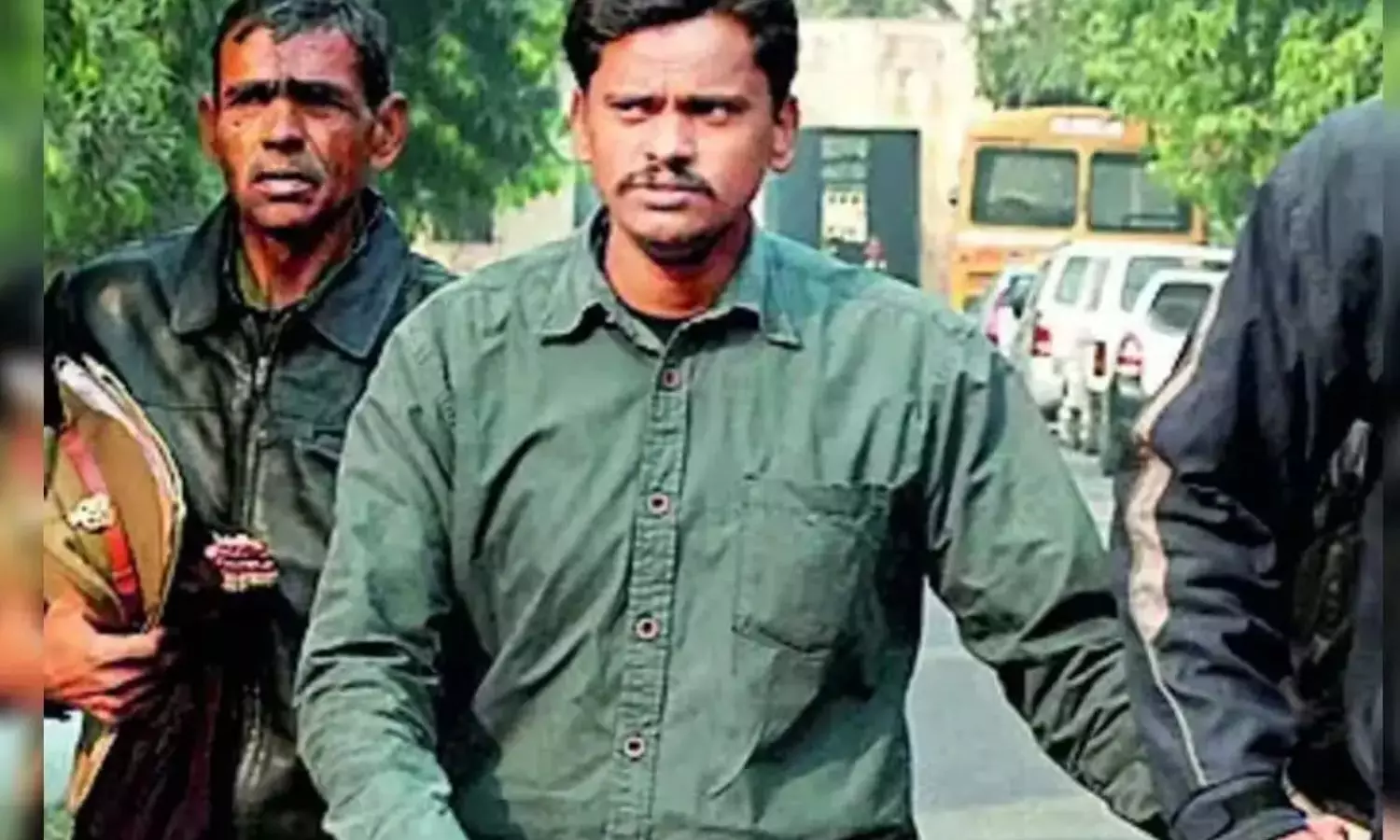
Surendra Koli was discovered dead at a tea stand in Haridwar
Surendra Koli was discovered dead at a tea stand in Haridwar, Uttarakhand, on Friday, according to authorities. Koli was acquitted by the Supreme Court in the last case involving the 2006 Nithari killings.
According to reports, Koli had only begun running the tea stall a few days prior to his passing. Koli had been residing in Haridwar for a few months following his release from prison, according to Uttarakhand Police officer Kundan Singh Rana.
Koli, who is originally from Mangrukhal hamlet in Almora, was employed as a security guard prior to leasing the space and opening the tea shop.
Police said no suicide note was recovered from the spot. Koli’s family in Almora has been informed, and an investigation has been launched to determine the circumstances surrounding his death.
Surendra Koli’s Nithari Acquittal
Koli was acquitted by the Supreme Court in November 2025 in the last remaining case against him connected to the Nithari killings.
The court noted that his conviction in the 2011 case could not be sustained after he had already been acquitted in 12 other cases involving similar evidence, including the same confession and investigative recoveries.
The Supreme Court held that there was no principled basis for allowing one conviction to remain when the evidence relied upon in that case had been rejected in the others.
How The Nithari Killings Came To Light
The Nithari killings came to public attention in December 2006 after a child reportedly spotted a human hand in a drain between two houses in Nithari, Noida.
A subsequent search of the area led to the recovery of several human remains, including skulls and bones, as well as children's clothes.
Koli was working as a domestic help at the house of businessman Moninder Singh Pandher. Police alleged that Koli lured women and children to the premises and killed them. Investigators also made allegations of cannibalism.
Pandher was accused of complicity and exploitation in connection with the case.
CBI Took Over Investigation In 2007
The Central Bureau of Investigation took over the probe in January 2007. The prosecution case relied substantially on Koli’s confession, recorded after he had spent weeks in custody, along with several alleged recoveries from the premises.
However, questions were later raised in court over the reliability of the confession and the recoveries.
The Supreme Court, while acquitting Koli in the final case, referred to the fact that the same evidence had already been found unreliable in the other Nithari cases.
The ruling effectively ended the final conviction against Koli related to the killings.
India’s chips will go global: PM Modi
People's aspirations benchmark for govt decisions, says CM Revanth
Revenue officials begin probing govt lands at KCR’s farmhouse
Defer 3-language policy for Class 6 till 2027: SC
UPI MDR issue has now become political football
India’s multi-alignment: A strategy or a mirage?


