




- Heavy rain forecast for Tamil Nadu for next two days; eight districts on alert for Diwali
- Google Faces Lawsuit Over AI on School Laptops
- Petrol and diesel prices today in Hyderabad, Delhi, Chennai and Mumbai on 07 November 2026
- Gold and Silver rates today, 7 Nov in Hyderabad, Visakhapatnam, check gold prices of 18K, 22K, 24K
- Gold and silver rates today 7 Nov stable in Bengaluru and Chennai, check gold prices of 18K, 22K, 24K
- Gold and silver rates today, 7 Nov in Delhi, Mumbai, check gold prices of 18K, 22K, 24K
- Annamalai urges people to buy more crackers for Diwali, cites livelihood of eight lakh workers
- India offers remarkable resilience and opportunity amid AI frenzy: HSBC economists
Rahul Gandhi Adds Petrol Chori to the List of ‘Chori’Narrative
In Short
"From Vote Chori to Kanoon Chori, from Sanstha Chori to Petrol Chori, Rahul Gandhi and the Congress seem to have found a new 'chori' narrative for every political occasion.

Share :
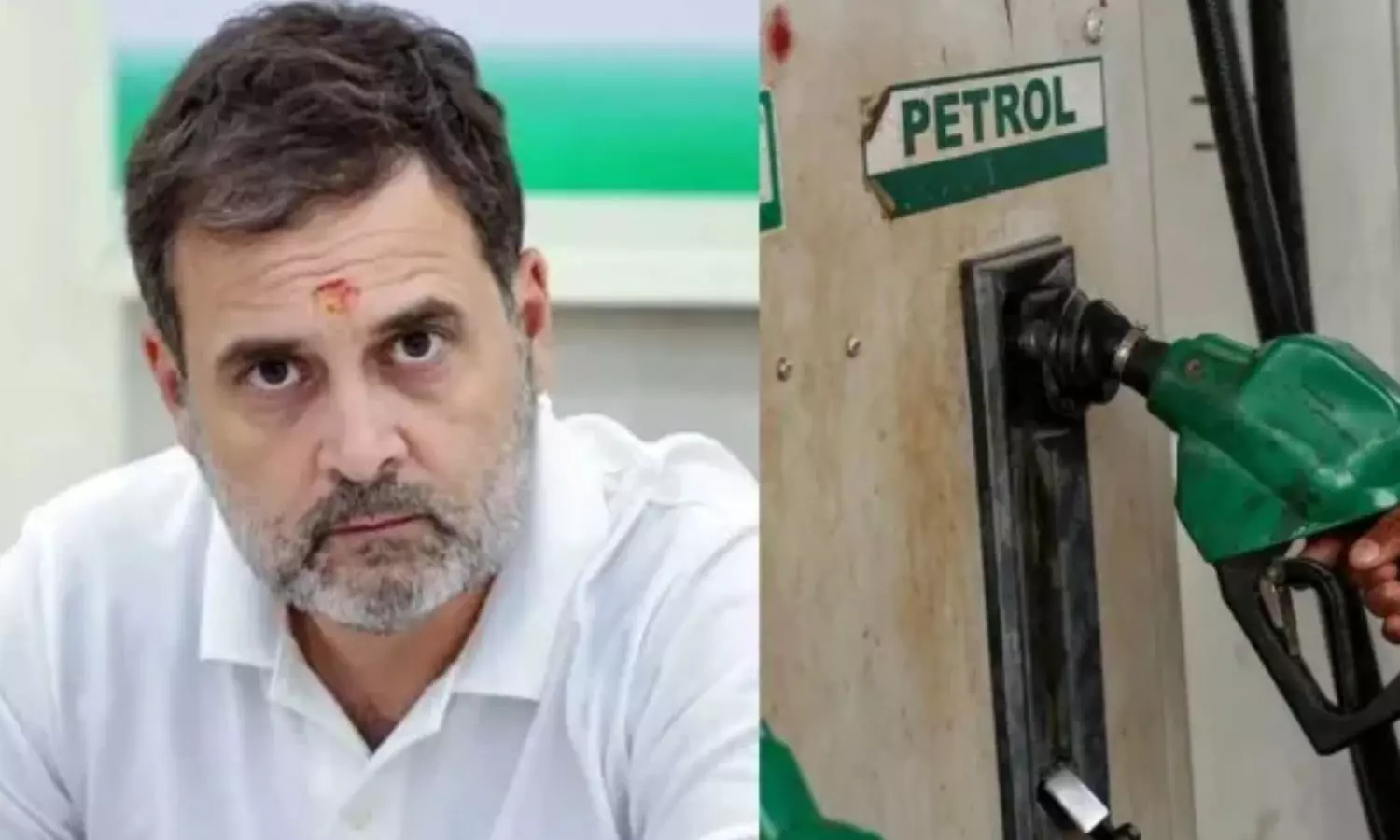
Rahul Gandhi Adds Petrol Chori to the List of ‘Chori’Narrative
"From Vote Chori to Kanoon Chori, from Sanstha Chori to Petrol Chori, Rahul Gandhi and the Congress seem to have found a new 'chori' narrative for every political occasion.
Having failed to make the earlier allegations stick, the party appears to be expanding its vocabulary of 'chori' to keep its political campaign alive."
Rahul Gandhi on Saturday attacked the Modi government over the rollout of E20 petrol, citing test results of samples collected by the Karnataka government, and asked the Centre to come clean on the actual ethanol content in fuel being sold across the country.
In a Hindi post on X, Rahul said that the government should be dealt with under Section 420 of the earlier Indian Penal Code since the petrol samples collected from seven districts in Karnataka have shown a higher percentage of ethanol, though the government claims that the petrol it was supplying contains only 20 per cent ethanol.
“The Karnataka government collected petrol samples from 7 districts and had them tested at an accredited lab. Look at the results – 11 out of 14 samples contained more than 20 per cent ethanol; 31.2 per cent at IOCL, 30.5 per cent at HPCL; IOCL, HPCL, BPCL, Nayara, Shell – whether government-owned or private – all exceeded the limit,” he claimed.
He also alleged that the companies’ own laboratories had not reported the ethanol content.
Gandhi claimed that excessive ethanol blending could affect vehicle performance, resulting in lower mileage and higher maintenance costs. He also questioned the absence of labels at fuel stations disclosing the ethanol content of petrol.
“Modi ji, tell us – what's being put in the country's tank? How much ethanol is actually in the petrol? When will action be taken against companies mixing more than 20 per cent ethanol?” he said.
Rahul also reiterated his demand for an open debate on this issue along with Vote Chori and other Chori’s.
His remarks came a day after the Karnataka government alleged that major oil marketing companies (OMCs) were supplying petrol with ethanol content exceeding the prescribed 20 per cent limit, with tests recording levels as high as 31.2 per cent. It had sought action against the companies.
The Karnataka Food, Civil Supplies, Consumer Affairs and Legal Metrology Minister Rizwan Arshad had stated that test results issued by the National Accreditation Board for Testing and Calibration Laboratories-accredited and ISO-certified Shriram Research Institute in Bengaluru, samples from Indian Oil Corporation Limited (IOCL) and Hindustan Petroleum Corporation Limited (HPCL) recorded ethanol content of 31.2 per cent and 30.5 per cent, respectively.
However, state-run OMCs Indian Oil Corporation (IOC), Bharat Petroleum Corporation (BPCL) and Hindustan Petroleum Corporation (HPCL) have disputed the Karnataka government's claims, questioning the sampling and testing procedures used to arrive at the findings.
The three companies said E20 petrol supplied across their retail networks, including in Karnataka, conforms to the Bureau of Indian Standards’ IS 17021 specifications, which prescribe an ethanol content of 19-21 per cent.
In a joint statement, the companies said the findings cited by the Karnataka government were not supported by tests conducted in accordance with prescribed statutory and technical procedures. They also questioned the use of third-party laboratory certificates, saying these did not disclose sufficient details of the testing methodology to independently verify the reported ethanol levels.
Tamil Nadu CM sanctions Rs 2000 crore for free laptops to college students
Rahul Gandhi Adds Petrol Chori to the List of ‘Chori’Narrative
Chori Ki Baat Chai pe Won’t Help Rahul Get Votes—TBJP Chief
Happy Diwali 2026: Guide To Find And Share Laxmi Puja Videos On WhatsApp
India’s chemicals and petrochemicals industry projected to reach $300 billion by 2030
Andhra Pradesh: MPTC, ZPTC vote counting today amid tight security


