




- AP Govt orders probe into Kurnool SGT teacher appointment
- Brahmapur: ILH to help kids with special needs
- President urges scientific outlook with nation-first spirit
- Rahul Gandhi expresses concern on reported deaths of tribal children in MP's Balaghat
- Tejasvi Surya seeks white paper on ₹5,500 crore spent on Bengaluru roads
- Gujarat CM stresses technology, tradition to prepare education system for future
- MSVP of Malda Medical College removed after 89 infant deaths in August
- Elon Musk Reignites Old Feud With Chess.com Over His Chess Skills
Teachers turn challenges into lessons of duty
In Short
For teachers Ratiharijan of Tangniguda and Ajit Kumar Kirana of Gurmaiguda, just reaching their classrooms is a daily battle.

Share :
Teachers turn challenges into lessons of duty
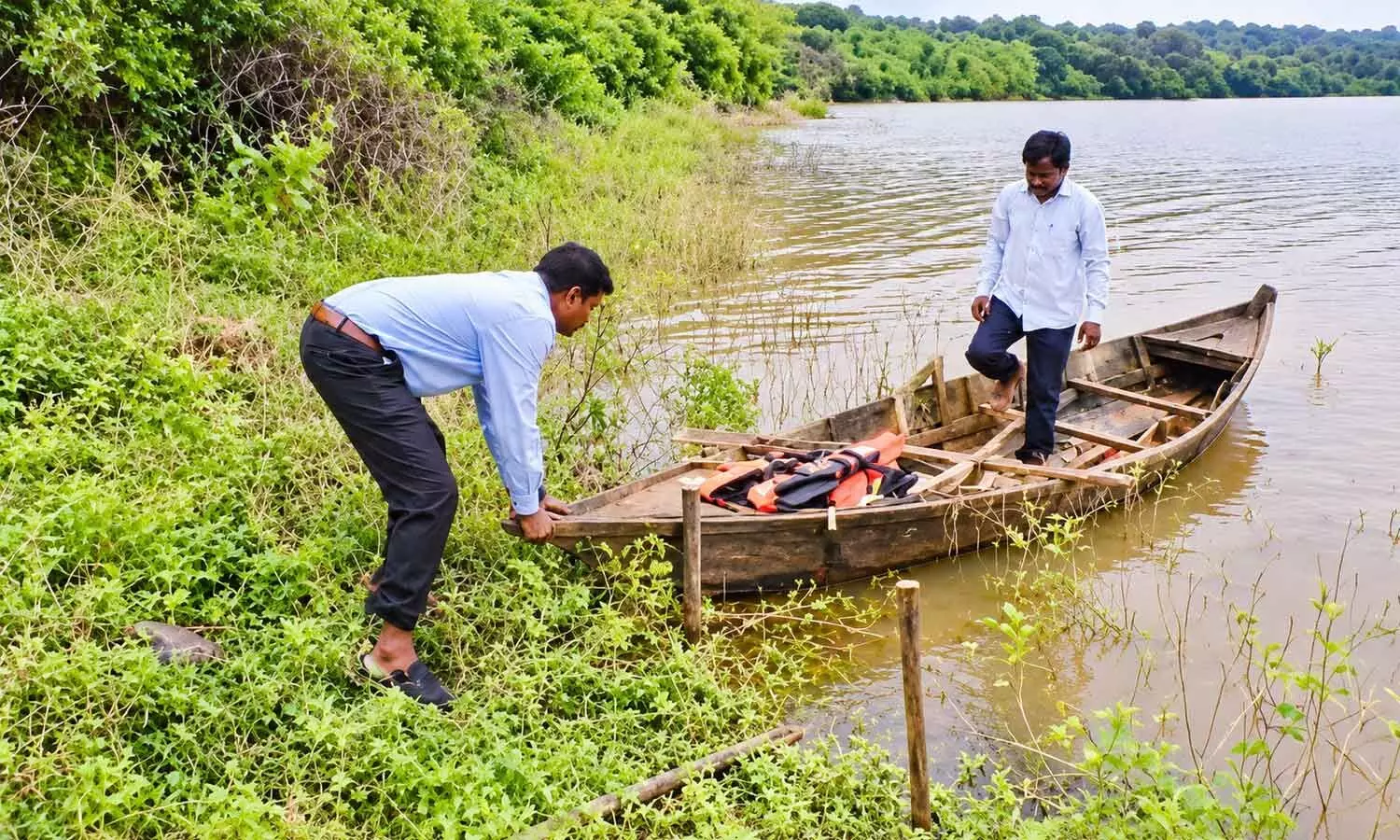
Nabarangpur: Working in difficult conditions makes it easy to find excuses. However, teachers at two remote schools across the Indravati Reservoir in Nabarangpur district prove that commitment to duty does not depend on comfort. For teachers Ratiharijan of Tangniguda and Ajit Kumar Kirana of Gurmaiguda, just reaching their classrooms is a daily battle. Their schools sit in remote areas cut off from the main road network by a large reservoir, turning an ordinary commute into a grueling journey.
Reaching the schools by road requires a journey of over 110 km. As there is no proper infrastructure or suitable housing nearby, the teachers had to find their own way to stay connected to their workplaces. They pooled their own money to buy a traditional local country boat called ‘desi donga,’ which they operate themselves to cross the Indravati Reservoir. However, crossing the reservoir is only the first leg of their journey.
After getting across the water, the teachers have to cover another 4 km along a muddy and difficult road before reaching their schools. During periods when the reservoir water level rises, the journey becomes even more challenging. Despite these conditions, the teachers continue to attend schools, conduct classes and spend time with their students. They have even rented a house locally to stay closer to their respective schools, reducing the need to undertake the extremely long journey every day. The challenges faced by the teachers are also linked to the difficult educational conditions in the area.
According to Ratiharijan, the government had earlier observed a significant dropout problem among children in the locality. In response, a new school was constructed at Tangniguda in 2014. Ratiharijan was subsequently transferred to Tangniguda and has continued to serve there.
A school photograph captures teachers deeply engaged in classroom activities, interacting with students and maintaining a sense of normalcy despite their challenging surroundings. While the school may lack modern facilities found in typical learning environments, the classroom tells a different story. Inside, the teachers’ active presence and dedication showcase a deep sense of responsibility and commitment to their students.
For children living in remote and geographically isolated areas, the presence of a teacher means much more than attendance being marked. It provides an opportunity to learn, seek guidance and remain connected with education despite limitations in infrastructure and connectivity. The experience of these teachers also brings into focus a broader question of accountability in public service. Difficult working conditions can undoubtedly affect the delivery of services, but they need not always become a reason to abandon basic responsibilities.
If teachers are prepared to cross a reservoir in a self-operated country boat and negotiate 4 km of muddy road to reach their classrooms, their experience also underlines the need for stronger institutional support and better infrastructure in remote schools.
The government employment comes with job security and other benefits, but it also carries a responsibility towards the public. For teachers, that responsibility is particularly significant because their daily work directly influences the education and future prospects of children. These teachers may not be seeking recognition. They are simply continuing to do the work expected of them, despite circumstances that make even reaching the workplace difficult.
At a time when absenteeism and negligence of duty remain subjects of public concern, their example offers a simple reminder: facilities can make a difficult job easier, but commitment ultimately comes from the individual.
For the students of Tangniguda and Gurmaiguda, the teachers’ daily journey may itself be an important lesson. One about responsibility, perseverance and the value of showing up when circumstances are far from ideal. A difficult classroom. A reservoir to cross. Four km of muddy road. Limited facilities.
But no excuse, Sometimes, the most meaningful lessons are not written on a blackboard. They are demonstrated through conduct. And in these remote classrooms, the teachers appear to be teaching one such lesson every day: when duty calls, you show up.
PM Modi interacts with National Teachers' Award winners; discusses innovative teaching, student confidence
Bonanza for AP govt staff: CM Naidu clears 12th PRC, 2 pending DAs for employees
Naidu for overhauling edn to make students future-ready
AP to reconstitute 28 Zilla Praja Parishads
Plea to save movie theatres
AP Govt orders probe into Kurnool SGT teacher appointment


