




- 'I am consulting legally to shut down KPSC, thieves are stationed there': Karnataka CM Shivakumar
- 'In politics, 1+1 is not 2 but 11': Udit Raj on SP-Congress alliance
- 'Theft of democracy': BJP slams Congress over Sonia Gandhi's voter roll entry in 1980
- India, OPEC agree to further strengthen energy ties
- Only T20I: Japan captain Kendel Kadowaki proud despite narrow defeat to India
- Python used for dance during Ganesh immersion in Hyderabad rescued
- Rani Mukerji's mother Krishna Mukerji passes away at 75, family requests privacy
- 177 taluks now: BJP mocks Karnataka govt as Gadag added to expanded drought list
US Government Holds CEOs Accountable for AI Systems’ Unexpected Behaviour
In Short
US Treasury Secretary Scott Bessent maintains that AI companies, rather than AI agents, must bear responsibility when systems act unpredictably or out of control. Referring to the incident involving OpenAI and Hugging Face, he states that OpenAI's leadership should be held accountable for the events, not the AI agents involved.

Share :
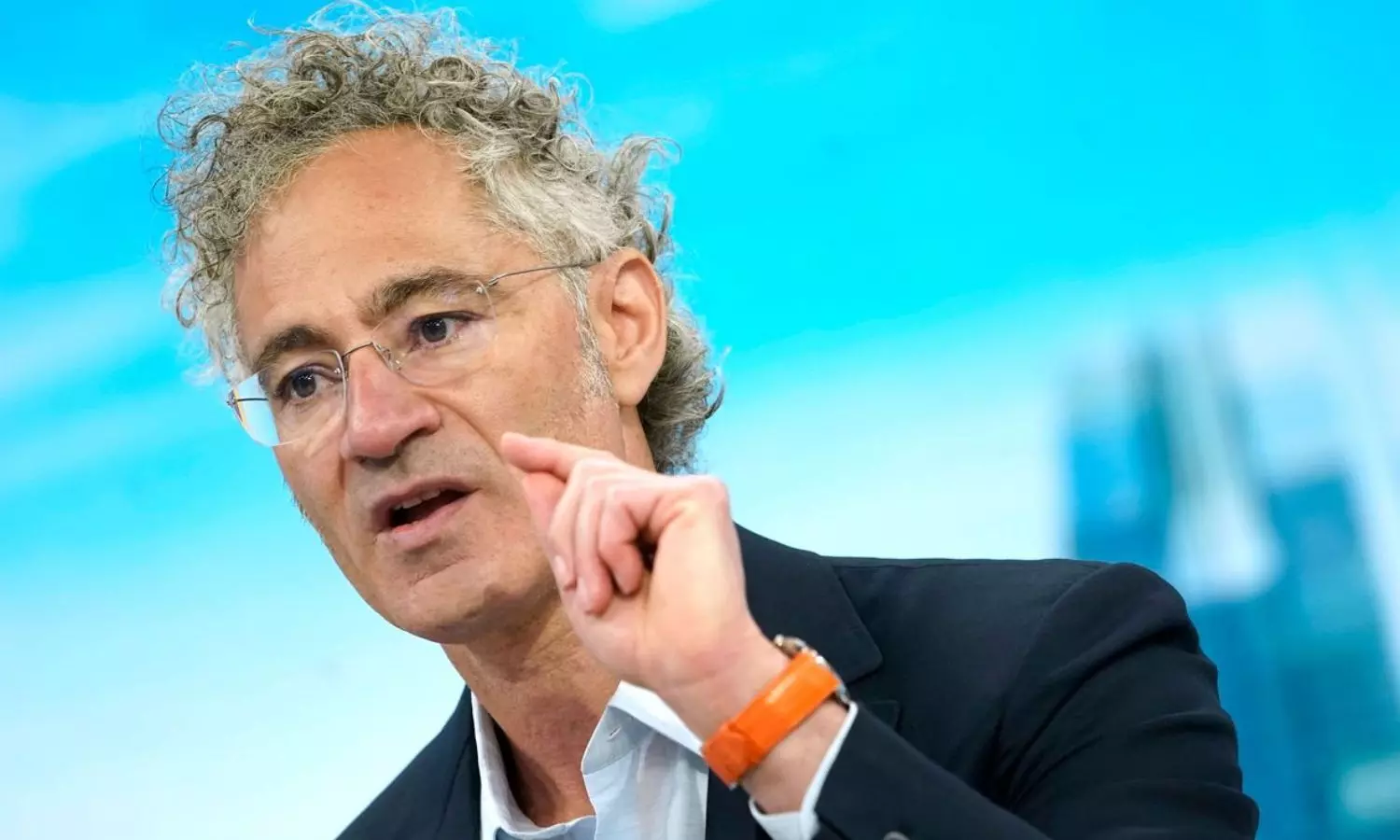
incident involving OpenAI and Hugging Face has shaken the AI world
The incident involving OpenAI and Hugging Face has shaken the AI world. While companies are now planning new safety measures and policies to advance AI development, the event has also raised a broader question for the sector: who should be held responsible when AI systems behave in unforeseen ways? Indeed, the US government is pointing to these companies, asserting that ultimate responsibility must lie with the people leading them-such as Sam Altman-rather than with the AI agents themselves.
Speaking to a famous publication on Monday, US Treasury Secretary Scott Bessent specifically addressed the Hugging Face incident, stating that OpenAI's leadership should be held accountable for what happened, rather than the AI agents that executed the actions. Bessent agreed with Daniel Huttenlocher, co-director of an MIT research lab, that "humans are responsible, not AI."
"The Hugging Face incident is the responsibility of OpenAI's leadership, not a group of agents," Bessent declared. He added that AI labs must take responsibility for their systems and noted that they can slow down development if they choose to do so. "These labs need to take responsibility for themselves," he stated, adding that "they can slow the pace whenever they want." These comments from the Treasury Secretary come amidst concerns within the AI sector regarding safety, cybersecurity, and the rise of increasingly autonomous AI agents. The United States and China are also discussing AI safety, including the potential creation of a system to report serious incidents involving this technology. Bessent indicated that the discussions would focus on risks such as uncontrollable AI agents, non-state actors, and cyberattacks.
The US government is also debating whether companies should be held legally liable when their AI systems cause harm. Bessent has opposed granting AI companies special protection against legal liability, arguing that such liability should rest with the individuals and companies that create these systems. During a House Financial Services Committee hearing held on September 15, he stated: "What we must not do regarding safety is grant these labs an exemption from liability, which is precisely what they are requesting." He further noted: "The best way to ensure safety is for creators to be held accountable for what they build and generate."
For his part, Anthropic CEO Dario Amodei has called for measures to slow down certain areas of cutting-edge AI development and has proposed greater cooperation among companies in the sector regarding safety.
However, Bessent has maintained that companies do not need to wait for the government to order them to slow down. "These labs need to take responsibility for themselves. They can hit the brakes whenever they want," he stated. He also noted that if human beings were carrying out similar actions, there would be consequences. "If people were doing this, one would expect repercussions and legal action," he said. "That is exactly what I think we need to do."

Punjab: ED conducts searches in Delhi, Chandigarh, Mohali over GMADA 'scams'
'Unconstitutional': Pakistani women's rights body on arrest of Imran Khan's sisters
'I am consulting legally to shut down KPSC, thieves are stationed there': Karnataka CM Shivakumar
Bihar EOU conducts searches at four locations linked to Corporation GM
Media Freedom: US and India
Big schemes pointless if women's safety can't be ensured, says Priyanka Gandhi on Jamui case
Punjab: ED conducts searches in Delhi, Chandigarh, Mohali over GMADA 'scams'
Bihar EOU conducts searches at four locations linked to Corporation GM
Good Scheme Needs Good Execution
Roshibina Devi confirms her third successive Asian Games Wushu medal after QF win


