






UP Politics Takes a New Turn: Ram, Krishna, Cowherds and Caste Dominate Electoral Politics
In Short
Uttar Pradesh politics heats up ahead of the 2027 Assembly elections as Akhilesh Yadav targets Yogi Adityanath over alleged remarks about cowherds, Lord Krishna, caste identity and religious sentiments.

Share :
UP Politics Takes a New Turn: Ram, Krishna, Cowherds and Caste Dominate Electoral Politics
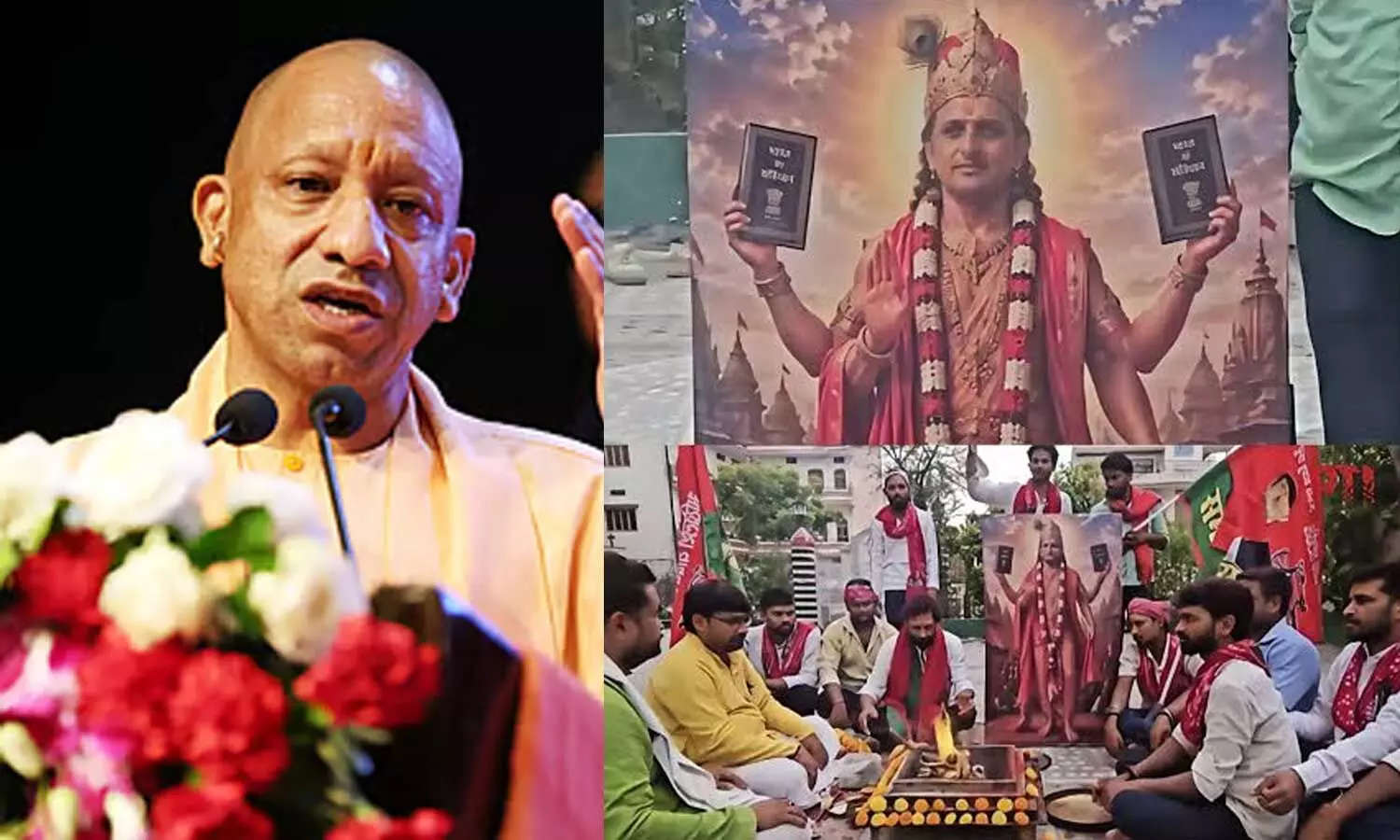
Politics in Uttar Pradesh now appears to be taking a turn towards exploiting religious sentiments for narrow electoral gains. Opposition parties such as the Samajwadi Party, which, along with the Congress, project themselves as staunchly secular and champions of the interests of Muslims, Dalits and OBCs, are increasingly seeking to weave religious themes into their electoral narrative, apparently in the hope of winning over Hindu voters.
On one hand, the party has announced that SP chief Akhilesh would visit Ram Temple at Ayodhya soon. On the other hand, he is now trying to invoke the name of Lord Krishna and the caste angle of Gopals.
UP Chief Minister Yogi Adityanath had purportedly said that but for people from the hill state, Yadav would have been grazing buffaloes in his native Saifai in Etawah.
Reacting to this, Akhilesh said Chief Minister Yogi Adityanath had insulted Lord Krishna through his alleged remarks about cowherds, and said the BJP would face defeat in the 2027 Assembly elections.
In a post on X, Yadav shared a video clip of Adityanath's remarks during an event in Uttarakhand a day earlier, in which the chief minister "By using abusive language against 'Gopalaks' (cowherds), the Uttar Pradesh chief minister has, by implication, insulted Gopal, or Lord Krishna. This is unforgivable," Yadav said.
Raising the issue of Vote Chori, Akhilesh said, "First, Yogi was involved, along with a big gang, in the theft of offerings, donations and contributions made to the Ram temple in Ayodhya, and gave them a clean chit out of fear that the truth might come out. Now he is attacking Lord Krishna. He is using such objectionable language because he wants to establish his own power, separate from Sanatan Dharma," Yadav alleged.
The former CM said it was because of "this very malice" that Adityanath had the Pal community "beaten with batons" in Varanasi and showed "utter disrespect" in the city to the statue of Rajmata Devi Ahilyabai Holkar, a great devotee of Lord Shiva who belonged to the Holkar community of the shepherd (Gadariya) caste, after the Shivalinga had been removed from it.
"He is neither a true devotee of Lord Shiva, nor of Lord Ram, nor of Lord Krishna, nor of Devi Ahilyabai," Yadav said.
Taking an apparent swipe at preacher Dhirendra Shastri, who is scheduled to hold a religious discourse in Kunda in Pratapgarh next week, Yadav referred to him as "Dushmukhi" and alleged that both he and Adityanath shared similarities in their attire, language and alleged remarks about Lord Ram and Lord Krishna.
The SP chief also hit out at the proposed religious event, claiming the BJP was inviting such figures because the CM had become "politically weak".
Slamming Adityanath for "his language", Yadav said, "We forgive you because you are not in control of yourself. From someone who cannot even control his own willpower and becomes unsettled every now and then throughout the day, expecting control or balance over his words is pointless."
"If you were winning, you would be talking about yourself and your achievements, not about us.
"The more offensively you speak, the worse your defeat will be, because the 2027 election has now become a contest between five per cent arrogant, supremacist and dominant people and 95 per cent PDA," he said.
CII Summit 2027 Vizag live updates: All set for investments in AP
UP Politics Takes a New Turn: Ram, Krishna, Cowherds and Caste Dominate Electoral Politics
AP DSC Recruitment: Application process begins to fill 2,721 teaching positions
PM Modi to Address Over 2,000 Farmers at Kisan Tak Bharat Agriculture Conference Tonight
CM Chandrababu and Pawan Kalyan Play traditional drum at CII Summit
CII Summit begins in Visakhapatnam, Union Minister Piyush Goyal attends as chief guest


