




- Samsung Confirms Galaxy Devices Eligible for Android 17 Update
- Gas Cylinder Explosion: Three Injured in Benguluru
- Cyclone threat looms over Bay of Bengal, heavy rain alert for south Bengal from Wednesday
- AP ZPTC Race: Will it Be Family First, Grassroots Workers Last
- Airbnb bans guest checkout chores from November 20
- Gopichand’s Next Is Titled As Singa
- Sridhar Vembu urges India to ‘build, build and build’ for global respect
- TG Ethics committee hearing on Padi Kaushik Reddy deferred, Huzurabad by-election likely
AP ZPTC Race: Will it Be Family First, Grassroots Workers Last
In Short
There are many leaders in both the TDP and the YSRCP who are close to 70 years of age and have children waiting to enter the political arena.

Share :
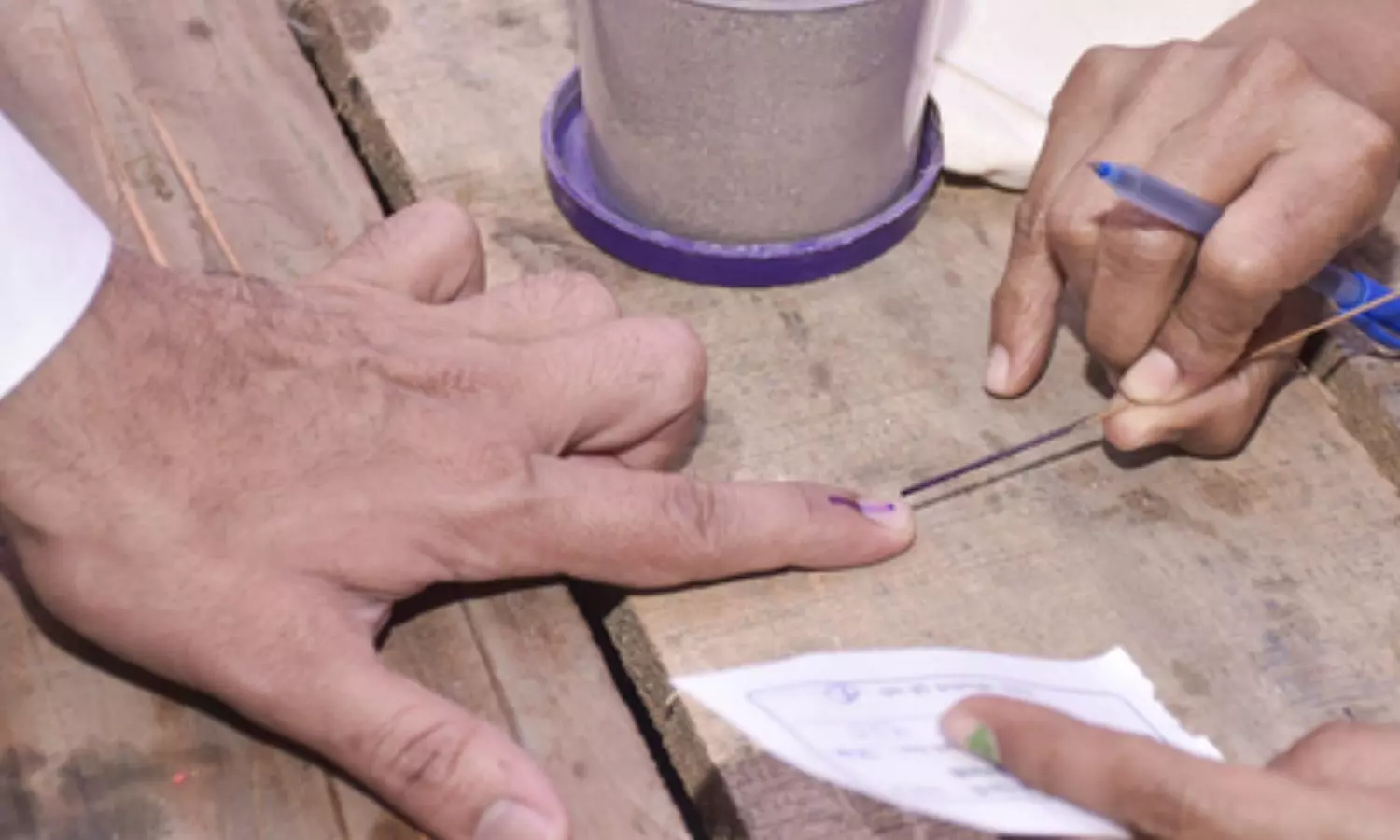
Representational photo
About 31 election-related incidents in 13 districts on October 22, including 22 incidents involving violence or public disorder and nine involving the snatching or tearing of nomination papers for MPTC and ZPTC elections, as well as the filing of poll-related cases in courts by the YSRCP, have been making headlines.
Such stories are good enough for newspaper headlines. But the real story is that these elections are not just a contest between the TDP-led NDA and the YSRCP. In reality, they are a test for established leaders seeking to successfully launch their political heirs and maintain their families’ influence over rural areas, which are the real vote banks for these leaders.
There are many leaders in both the TDP and the YSRCP who are close to 70 years of age and have children waiting to enter the political arena. The general pattern in Indian politics is that no political leader wants to retire. At the same time, they want to promote their heirs, including women aspirants within their families.
Women matter in these local body elections as they constitute a substantial share of the electorate, and local government is an important route into public life. But in many political families, established leaders give preference to their male successors rather than encouraging women within their families.
According to official figures, AP has 2.81 crore eligible voters, including 1.43 crore women voters. Even where women candidates are encouraged, the unfortunate reality on the ground is that men in the family play a dominant role in decision-making and sideline women leaders.
During the ongoing electoral process, it is said that the wives, daughters and daughters-in-law of some prominent leaders from all political parties are aspiring to become chairpersons of ZPTCs. This tendency is said to be more pronounced in the families of TDP, Jana Sena and BJP leaders. With the NDA partners promising to give more seats to women candidates to honour their commitment to reservations for women and BCs, SCs and STs, the race has reached its peak.
For example, four members of the family of Botsa Satyanarayana, the YSRCP Leader of the Opposition in the Legislative Council, have filed nominations for the ZPTC elections from four different mandals. His daughter, Botsa Anusha, is contesting from Bondapalli; his daughter-in-law, Pujitha, from Garividi; his sister, Venkatalakshmi, from Gurla; and his nephew, Botsa Chaitanya, from Pusapatirega. All four have filed nominations as YSRCP candidates in Vizianagaram district.
Similarly, the daughter-in-law of senior TDP leader K. Kalavenkat Rao, the daughter of another senior leader, Chintamaneni Prabhakar, and Paritala Sriram, son of slain TDP leader Paritala Ravindra, are in the race for the ZPTC chairman’s post.
Other political heirs in the race include former MLA Pilli Anantha Lakshmi, who has filed her nomination for the Kakinada Rural ZPTC seat. Former Amalapuram MP Chinta Anuradha was also reported to be entering the contest from K. Gangavaram, while the wife of former Eluru MP Maganti Babu is the likely candidate from Eluru district.
To what extent the promotion of political heirs will help in the development of rural areas remains to be seen. It will certainly help the parties claim that they are providing greater opportunities to youth and women. However, young people and women who have been the flag-bearers of their parties may not be so fortunate as to make it to positions of power.
The leaders would argue that promoting their family members would help strengthen the party’s organisational network, which could help them in Assembly and Lok Sabha elections. Real grassroots workers rarely get a chance to occupy such posts. Access to political opportunities often depends on family background, caste equations, perceived winning chances and long-standing public presence. The MPTC and ZPTC polls would help leaders test their hold over rural areas.
The fight between NDA and YSRCP candidates is going to be tough, if the number of nominations filed is any indication. TDP candidates filed 1,055 nominations, while the YSRCP accounted for 1,092. Jana Sena filed 178 nominations and the BJP 111, as of October 24.
But the moot question remains: Can women ZPTC members, whether from political families or among party workers, take independent decisions, question officials and ask the government to undertake development works they consider important, or will they be overshadowed by senior family members? They should not be intimidated by male members of their families, and political parties should look beyond immediate electoral calculations.
The new blood should be allowed to assess and resolve issues related to roads, drainage, agriculture, healthcare, drinking water, and other infrastructure.


