




- Hariharan presents ‘Vande Mataram’ vinyl to President Droupadi Murmu, calls ‘music a humble offering to the nation’
- Jio IPO debuts, delivering 21% gains to investors, becomes India’s largest listed telco
- UP MLC Election Results: Samajwadi Party Retains Varanasi Teachers’ Seat, Leads in Graduates’ Constituency
- Petrol and diesel prices today in Hyderabad, Delhi, Chennai and Mumbai on 28 October 2026
- Gold and Silver rates today, 28 Oct in Hyderabad, Visakhapatnam, check gold prices of 18K, 22K, 24K
- Gold and silver rates today 28 Oct surges in Bengaluru and Chennai, check gold prices of 18K, 22K, 24K
- Cyclone ‘Arnab’: Govt advises airlines to adhere to operational guidelines, inform passengers
- Gold and silver rates surges today, 28 Oct in Delhi, Mumbai, check gold prices of 18K, 22K, 24K
The Worst Is Over: Arnab Completes Landfall; No Loss of Life or Major Damage Reported
In Short
In its wake, Cyclone Arnab left a trail of destruction, uprooting several trees and power poles and causing power outages in several areas.

Share :
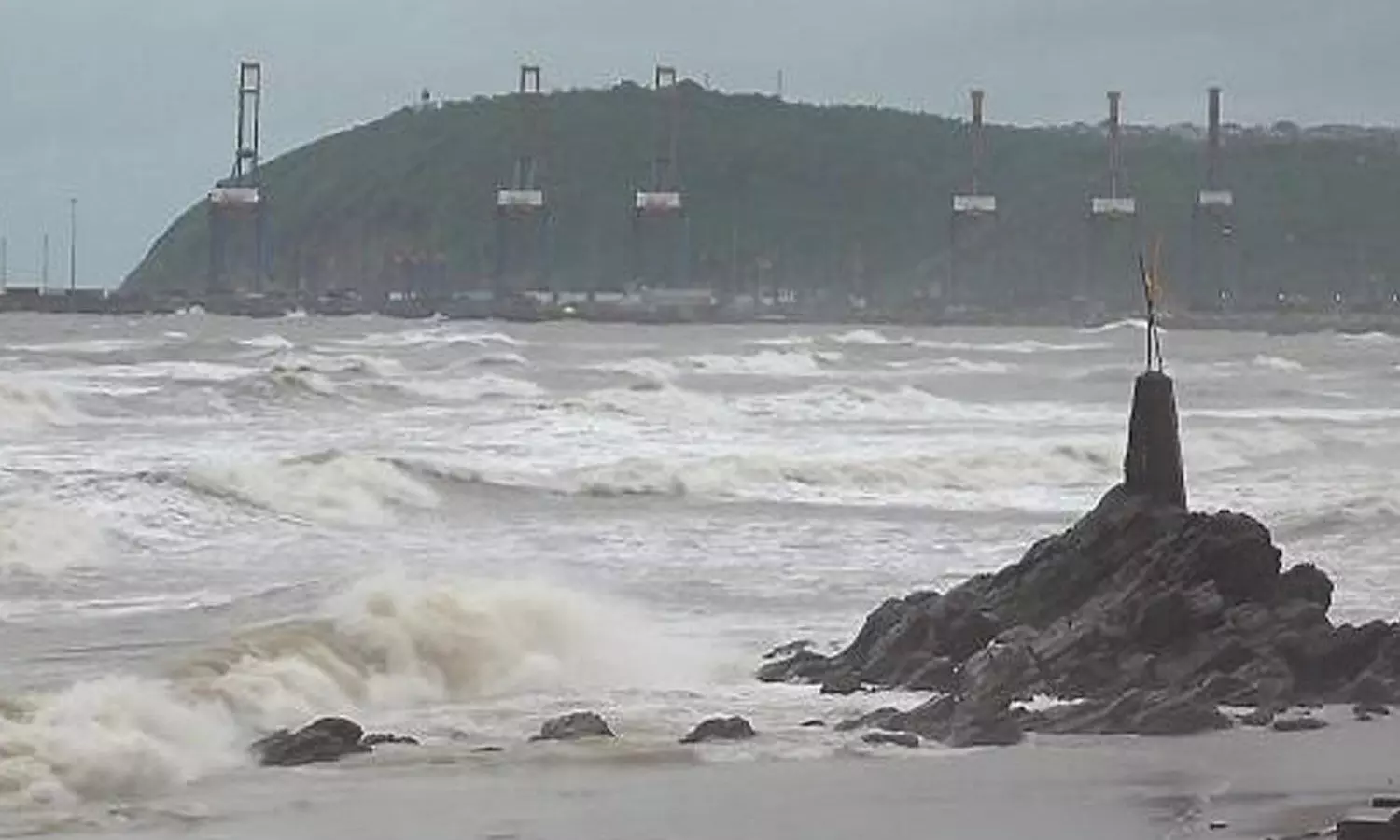
The Worst Is Over: Arnab Completes Landfall; No Loss of Life or Major Damage Reported
The worst is over. The very severe cyclonic storm Arnab crossed the Andhra Pradesh and Yanam coasts on Wednesday morning before weakening. The landfall process is complete, with the weather system moving entirely over land, according to the India Meteorological Department (IMD). But people and administration will have to be on high alert till evening.
“The cyclone crossed the Andhra Pradesh and Yanam coasts to the southwest of Yanam, near latitude 16.450°N and longitude 81.90°E, about 20 km east-northeast of Narsapur, 40 km southwest of Yanam and 60 km southwest of Kakinada,” the Met department said in an official release.
In its wake, Cyclone Arnab left a trail of destruction, uprooting several trees and power poles and causing power outages in several areas.
Police personnel and government officials are actively clearing debris on a priority basis to restore essential services and reopen major traffic routes. Chief Minister N Chandrababu Naidu has been closely monitoring rescue and relief operations and reviewing the work of 32,000 personnel, including officials at various levels, from district collectors to ground-level rescue teams. So far, no loss of life or major damage to infrastructure has been reported.
Naidu stressed the need to provide adequate food, drinking water and medical facilities at cyclone shelters. He also directed officials to prevent water from entering agricultural fields, protect horticultural crops and take measures to prevent breaches in tanks and canals.
The Chief Minister asked officials to prepare preliminary estimates of crop damage and keep National Disaster Response Force (NDRF) and State Disaster Response Force (SDRF) personnel on standby.
Officials were also directed to make full use of the Manamitra system to address public grievances in cyclone-affected areas and ensure that complainants were informed of the action taken to resolve their issues.
Meanwhile, Kakinada Superintendent of Police G Bindu Madhav said Cyclone Arnab had significantly affected the district, uprooting a few hundred trees and fewer than 100 electric poles. However, no major damage had been reported, and rainfall had subsided after 1 am.
Madhav said people had been evacuated to relief camps as a precautionary measure and remained there because of the strong winds and the storm’s intensity between midnight and 1 am.
The Uppada coastal road had been completely washed away, he said, adding that rainfall in the district was relatively low, with gusty winds causing the most damage.
Alluri Sitaramaraju district Superintendent of Police Amit Bardar said that, as of 9 am, the cyclone had had a limited impact on the district, with trees and electric poles uprooted and some roads inundated.
Power resumes after a prolonged disruption
El Nino Impact: 365 mandals in Telangana declared drought-hit
Revanth Reddy invites 550 Indian, int'l cos to Global Summit
El Nino, water mafias draining Hyderabad dry
Rights suffer major setbacks in Brazil, Serbia
India’s rising food prices: Lessons from the Nobel Prize in Economics


