




- BJP blasts Congress over ‘links’ with anarchic elements in pushing violent protests
- MP cabinet clears projects worth over Rs 23,288 crore; extends paddy registration deadline
- Siddaramaiah expressed dissatisfaction with sting op probe during meeting with LoP Gandhi: Rajanna
- PV Sindhu, Lakshya Sen Win Hylo Open Titles Amid Funding Concerns For Indian Shuttlers
- Heavy rain delays VMC poll counting, results likely by 7 pm
- 'Govt, private sectors must come forward to make Delhi a medical hub’: CM Gupta
- RBI eases export reporting compliance for freelancers, service exporters
- Murasu Wreaks Havoc, Leaves Trail of Destruction
CAR Manufacturers Rely on Sensors to Measure Different Things
In Short
Modern cars are packed with modern technology and much of its work is behind the scenes.

Share :
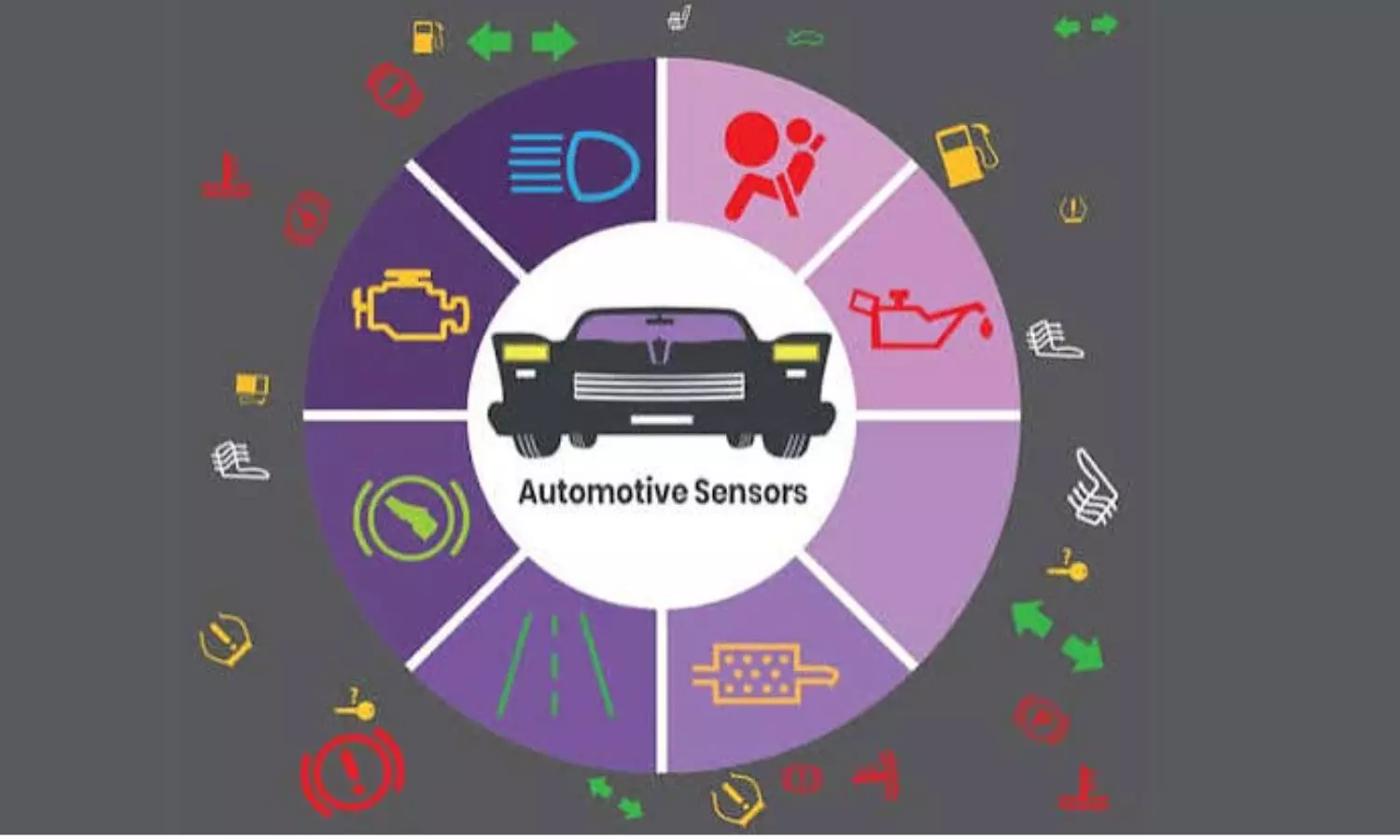
automotive sensors is that modern cars
Modern cars are packed with modern technology and much of its work is behind the scenes. From the engine bays to the bumpers, windshield, wheels and even the cabin, dozens of sensors constantly monitor what is happening inside as well as outside the vehicle.
One of the simplest explanations for the growing number of automotive sensors is that modern cars require information to operate efficiently and safely. Their electronic control units (ECUs) rely on data collected from different components to make decisions, adjust performance, and respond to changing driving conditions. Bosch notes that powertrain sensors offer measurements such as air mass, temperature and rotational speed to engine and transmission control systems.
Rather than relying on one computer to somehow understand everything, manufacturers use specialized sensors to measure different things. Their information enables the vehicle to respond to conditions that would otherwise be difficult or impossible to monitor accurately.
Some of the most significant sensors in your car are designed to help prevent accidents or reduce their severity. Anti-locking braking systems, electronic stability control and modern driver assistance features all of these depend on information gathered from multiple sensors.
Not all automotive sensors are concerned with keeping the engine running or preventing a collision. Few are designed to make everyday driving more convenient, while others help in monitoring components that drivers might otherwise overlook.
Each sensor has a specific purpose, to name a few of them: oxygen sensors, temperature sensors, wheel-speed sensors, radar sensors, Parking sensors, tire pressure sensors and rain sensors.
SC defers Hawara's plea for transfer to Punjab jail after IB flags possible impact on Assembly polls
Sundar Pichai Disagrees With OpenAI’s Vision of an Interface-Free AI Future
Airtel Xstream Play: One Plan for Movies, Sports, Shows & More
BJP refutes talks of Bihar NDA discord after two Independent MLCs extend support to it
AP Municipal elections results live updates: Counting begins
BJP chief Nitin Nabin to visit UP's Gorakhpur on Nov 4-5
Public safety is Coalition govt priority, says CM Chandrababu Naidu
Rajnath Singh to lead BJP's 'Loktantra Bachao, Arajakta Hatao' march in Bhopal tomorrow
'They didn't make Rahul Gandhi PM even at artificial Sansad': Uttarakhand CM Dhami's swipe at INDIA Bloc
BJP accuses AISA's Neha Bora of 'Hindu hate', claims she is 'inspired' by LoP Rahul Gandhi


