




- iPhone 17 at Rs 54,000? Here’s How the Deal Works
- Haryana LoP slams state govt over rising debt, unemployment
- Minister Bhupender Yadav, start-ups discuss Delhi air pollution solutions
- Bommai alleges foreign funds being used for anti-India activities, urges Centre to act
- BJP to focus on organisation, MLC poll preparations during Nitin Nabin's two-day Patna visit
- Ex Punjab BJP chief Sunil Jakhar writes to HM Shah seeking NIA, ED probe into drug trafficking
- Eight killed as bus plunges into deep canal in Rajasthan
- Musk Floats Idea of Amazon Rival Amid AI Shopping Clash
FSSAI proposes science-based pesticide residue limits for tea
In Short
The statement from the Ministry of Health and Family Welfare said the proposal reflects FSSAI's approach towards reviewing pesticide residue standards in light of scientific assessments, relevant international practices and the requirements of Indian agriculture.

Share :
Food Safety and Standards Authority of India (FSSAI)
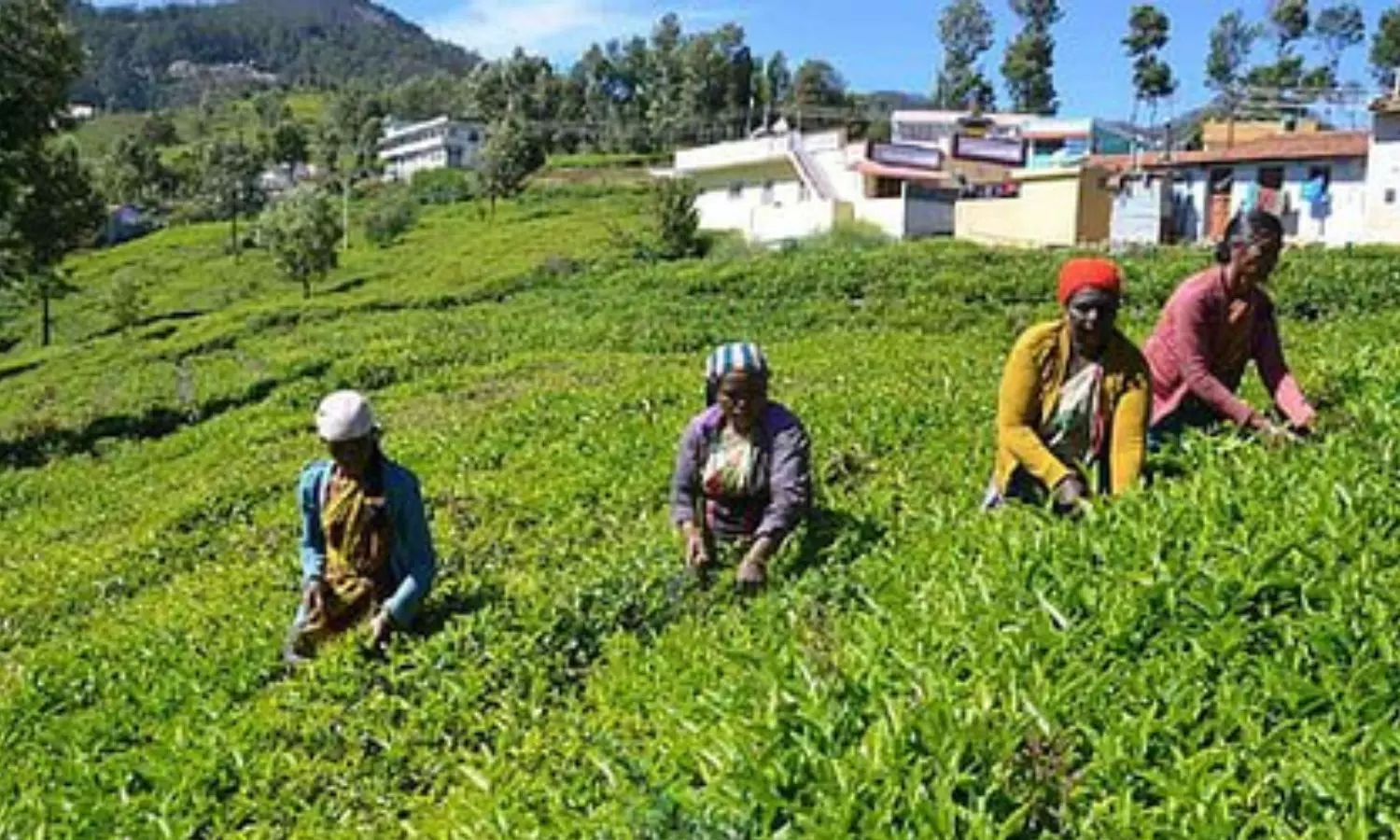
New Delhi: The Food Safety and Standards Authority of India (FSSAI) has notified draft amendments proposing maximum residue limits (MRLs) for two pesticides in tea -- 20 mg/kg for Acetamiprid and 50 mg/kg for Imidacloprid -- an official statement said on Saturday.
The statement from the Ministry of Health and Family Welfare said the proposal reflects FSSAI's approach towards reviewing pesticide residue standards in light of scientific assessments, relevant international practices and the requirements of Indian agriculture.
The draft Food Safety and Standards (Contaminants, Toxins and Residues) Amendment Regulations, 2026, published in the Gazette of India on October 16, 2026, set out the proposed limits to provide clear regulatory benchmarks for pesticide residues, facilitating compliance, monitoring and enforcement of food safety requirements.
The proposed MRL of 20 ppm for Acetamiprid in tea is lower than the corresponding limits of 30 ppm in Japan and 50 ppm in the United States of America. The proposed limit for Imidacloprid has also been formulated with reference to international Codex standards, the statement noted.
Maximum Residue Limits specify the maximum legally permitted concentration of pesticide residues in food commodities and are established on the basis of scientific assessments, taking into account pesticide residue data, dietary exposure and relevant safety considerations.
Earlier regulatory measures also included the delisting of 13 pesticides identified as having higher toxicity, reflecting the continuing emphasis on appropriate regulatory safeguards and consumer protection, the ministry said.
These standards provide a measurable regulatory basis for monitoring pesticide residues and ensuring compliance with prescribed food safety requirements. The proposed standards also recognise the importance of effective pest management in agricultural production.
India's comparatively low average pesticide use provides an important perspective on the country's agricultural practices. India's average pesticide use at less than 0.5 kg per hectare, is significantly below the estimated global average of 2.38 kg per hectare. It is also lower than the levels reported in several countries, including Colombia, Brazil and the United States of America.
BJP Veteran L K Advani Hospitalised in Delhi
Delhi Speaker inaugurates three civic projects in Rohini
AP Local Body Elections 2026: TDP releases second list of candidates for local body polls
Satya Nadella’s Three-Word Culture Shift at Microsoft
Duddilla Sridhar Babu outlines Warangal development plans
NLSIU 34th convocation: Karnataka CM urges law graduates to protect democracy, uphold Constitutional values


