India’s Solar Energy Potential: Is the Path to Net Zero by 2070 Clear?

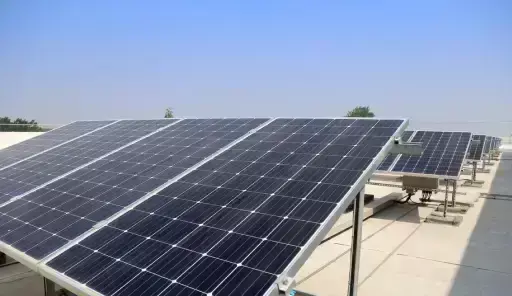
India’s Solar Energy Potential
India is one of the best locations in the world to utilise solar energy. But does that mean we can reach the target of achieving net zero emission by 2070?
The Indian Government made major headlines by announcing that it is targeting to achieve net zero emission by 2070. Over the past two decades, the energy consumption in India has doubled and is expected to increase by at least 25% by 2030. With the country’s growing energy needs, population, and economy, one of the biggest questions today is - can India really go 100% renewal by 2070? The answer to this is the Sun. With more than 250-300 sunny days a year and vast open spaces, India seems perfectly placed to become a global leader in solar power.
Let’s explore to see if India’s solar energy potential could shape our journey towards a greener and more self-reliant future and whether our clean energy transition is strong enough to meet the ambitious target of Net Zero Emissions by 2070.
The Need to Focus on Solar Power in India
India is blessed with abundant sunlight. With almost 300 sunny days in a year, India is a perfect location in the world for utilising solar energy potential. Unlike fossil fuels, the sun is free, clean, and abundant.
According to estimates, India can generate over 750 GW of solar power, which is more than enough to meet its current energy demands. Solar power is clean, renewable, and increasingly affordable, making it a key player in the clean energy transition.
India’s Growth So Far in Solar Power
India’s growth in solar power over the past few years has been remarkable. According to recent government reports, the country’s solar capacity has grown from just 2.6 GW in 2014 to over 70 GW in 2024. This jump has been supported by large-scale solar parks, rooftop installations, and strong government policies on renewable energy. Though the target was to install 100 GW of solar energy by 2022, according to the National Solar Mission, India has not given up and is serious about its energy independence and reducing its reliance on coal and imported oil.
Challenges on the Road to Net Zero
Even though we have made significant growth so far, the road ahead is not easy to achieve Net Zero. Here’s what’s stopping us:
1. Green Energy Infrastructure
Building a strong green energy infrastructure takes time and money. We need better transmission lines, smarter grids, and well-planned solar parks to connect all that sunshine to homes and factories. Without proper infrastructure, a lot of solar energy just goes to waste.
2. Energy Storage Solutions
What happens when the sun isn’t shining? That’s where energy storage solutions come in. India needs more advanced batteries and storage technologies to ensure a steady power supply at night or during cloudy days.
3. Solar Panel Efficiency
While solar panels are getting better, there’s still room to grow. Increasing solar panel efficiency—how much sunlight a panel can convert to electricity, is key to making solar power more cost-effective and land-efficient.
The Role of the Common Man in this Journey
The Indian government is taking big steps in bringing about the right change. New policies encourage investments in renewable energy through tax benefits, subsidies, and easy approvals. Private companies are also entering the solar space with innovation and big investments. From startup rooftop solutions to mega solar farms in Rajasthan and Gujarat, we are moving in the right direction. But how can individuals be part of this solar journey?
- Install rooftop solar panels if you can.
- Support businesses that use renewable energy.
- Raise awareness about the benefits of clean energy.
- Reduce your energy use to lower overall demand.
So, the main question still remains - Is the Path to Net Zero by 2070 Clear? The short answer to this is: it’s not fully clear yet, but we’re definitely on the right track. Despite the challenges faced, India has shown impressive achievements. With the right investments, innovation, and public support the dream of achieving net zero emission by 2070 will turn into reality.