






- Women drone pilots transforming India’s agricultural landscape
- Fire breaks out on Pacifica Hillcrest Apartments; no casualties reported
- AICC appoints Simon Alex Saran as Secy for Telangana
- Bengal govt initiates preparation for 2027-28 state budget, sets Nov 23 deadline for proposals
- PM Modi to inaugurate First SCO Civilisational Dialogue Forum in Delhi tomorrow
- 'Moily revealed that UPA-era allegations against PM Modi, HM Shah were politically motivated': BJP
- Boost wages to drive consumer demand, sustain growth momentum: Economic Affairs Secretary
- PM Modi Urges Ministers To Promote Savings, Says ‘Khao, Peeyo, Mauj Karo’ Not Part Of Indian Culture
Bug bites big, Nadella takes the blame
In Short
Nadella said the outage was triggered when a dormant software bug encountered a specific pattern of user traffic, resulting in widespread disruption across Microsoft's cloud ecosystem.

Share :
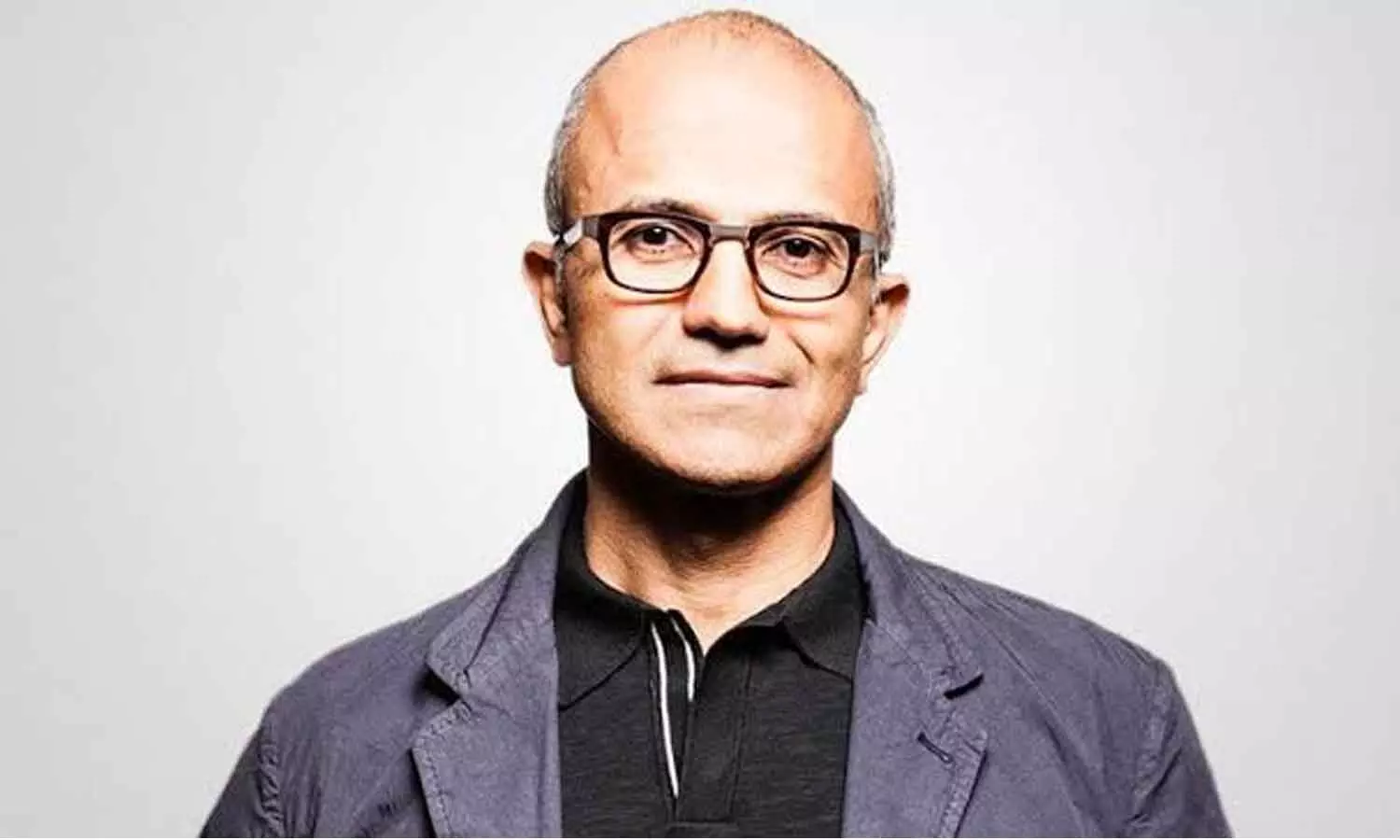
Satya Nadella
New Delhi: Microsoft Chief Executive Officer (CEO) Satya Nadella has acknowledged that the company could have done more to prevent the recent massive global outage that disrupted Outlook and several other services of the technology giant.
Nadella said the outage was triggered when a dormant software bug encountered a specific pattern of user traffic, resulting in widespread disruption across Microsoft's cloud ecosystem.
He said that the company should have identified the issue during its testing processes and built stronger safeguards to prevent a localised failure from affecting services globally.
The outage that was reported last week initially impacted Outlook before affecting other Microsoft platforms, including Teams, Copilot, Microsoft 365, SharePoint and OneDrive.
Users across multiple countries experienced service disruptions that lasted for more than a day.
Microsoft's preliminary findings indicated that the incident stemmed from a software bug introduced earlier this year, compounded by increased traffic and reduced server capacity.
The company has said there was no evidence of a cyberattack and restored services through a combination of infrastructure expansion, software patches and configuration changes.
The episode also reflects a broader challenge facing the technology industry as artificial intelligence accelerates software development and bug detection, according to Nadella.
According to him, AI tools are helping companies identify software vulnerabilities more quickly, but the speed at which fixes are deployed can also create operational risks, particularly for legacy infrastructure that may struggle to accommodate frequent updates.
He also said that integrating new patches into older technology environments can sometimes generate unforeseen instability even as organisations seek to strengthen software security and reliability. His statements come after Microsoft expands the use of AI across its product portfolio and enterprise offerings.


