




- US-led steel forum targets global overcapacity
- Chit cheat govt teacher defrauds people of crores of rupees
- Yennam Srinivas distributes Indiramma housing papers to beneficiaries
- Resolved pending land-related matters expeditiously: AC
- Vaddiraju urges graduates to enrol as voters for MLC elections
- BJP leader visits Anganwadi centres
- MSR Foundation extends Rs 65,000 aid to nursing student
- Congress govt’s negligence causing huge losses to farmers, says NRR
Lighter cars get relief under new CAFE norms
In Short
Centre drops separate small-car concession, adopts flatter weight-based formula

Share :
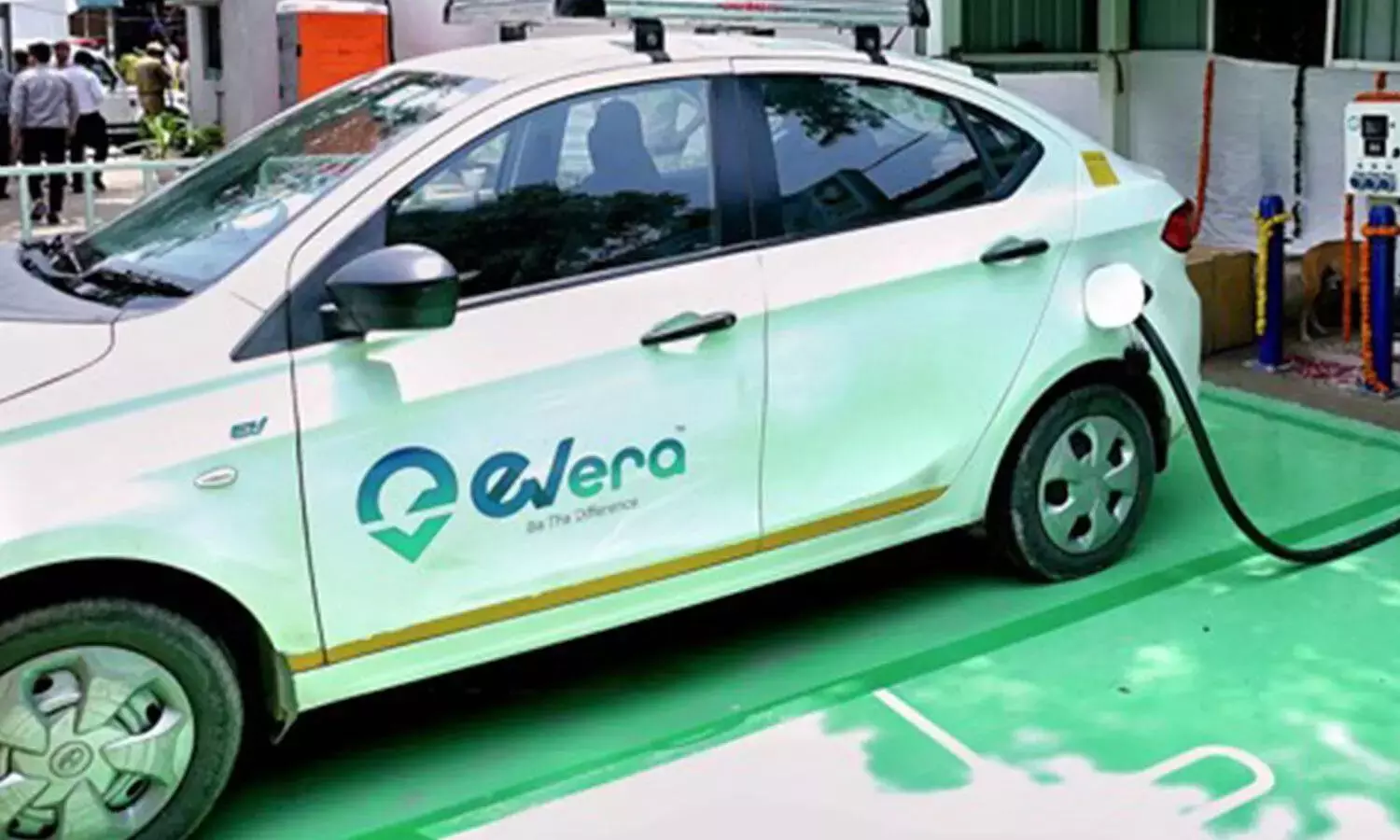
Lighter cars get relief under new CAFE norms
New Delhi: The government has notified the third phase of Corporate Average Fuel Economy (CAFE-III) norms for passenger vehicles, giving lighter cars relatively softer efficiency targets while requiring greater improvements from heavier vehicles.
The norms, notified by the Ministry of Power, will come into effect from April 1, 2027 and remain applicable until March 31, 2032. They will cover new passenger vehicles manufactured or imported for sale in India.
The revised framework replaces the proposed special concession for small cars with a flatter weight-based target curve, providing lighter vehicles greater relief compared with the September 2025 draft. The reference weight has been raised from 1,082 kg under the existing norms to 1,229 kg, an increase of around 13.6 per cent.
The September 2025 draft had proposed a 3 gram per km deduction in declared CO2 emissions for petrol cars weighing up to 909 kg, with engine capacity up to 1,200 cc and length up to four metres. The final norms have dropped this separate concession.
The new framework targets more than 16 per cent improvement in fuel efficiency over the five-year period. The fuel-consumption benchmark will tighten from 3.996 litres per 100 km in 2027-28 to 3.3273 litres per 100 km in 2031-32, an improvement of around 16.7 per cent.
The norms provide multiple compliance routes, including incentives for electric vehicles, hybrids, flex-fuel vehicles, alternative fuels and fuel-saving technologies.
Battery electric vehicles, range-extended EVs, plug-in hybrids, strong hybrids and flex-fuel vehicles will receive volume derogation factors, or “super credits”, in fleet-average calculations.
The framework also introduces a Carbon Neutrality Factor to recognise renewable and low-carbon fuels such as ethanol-blended petrol, biofuels and CBG. Recognised fuel-conservation technologies have been expanded from four to 12.
Manufacturers can meet obligations through specified two-year or three-year compliance blocks. Those exceeding targets can carry forward credits, trade them with other manufacturers or sell them through the Bureau of Energy Efficiency's buyout mechanism.
Manufacturers selling fewer than 1,000 units annually will remain exempt from fleet-average obligations.
KCR family amassed Rs 1L-cr wealth: Revanth Reddy
Will complete 36 irrigation projects in 3 years: Naidu
CM Naidu calls for continuous skill training of govt staff
Job creation coalition govt’s only agenda: Lokesh
CM Vijay accuses AIADMK of aligning with DMK during Dharapuram campaign
Green energy scheme ‘big push’ towards achieving 900 GW non-fossil capacity by 2035: PM Modi


