
Trump, Netanyahu Back ‘Maximum Pressure’ On Iran Over Oil Sales To China: Report

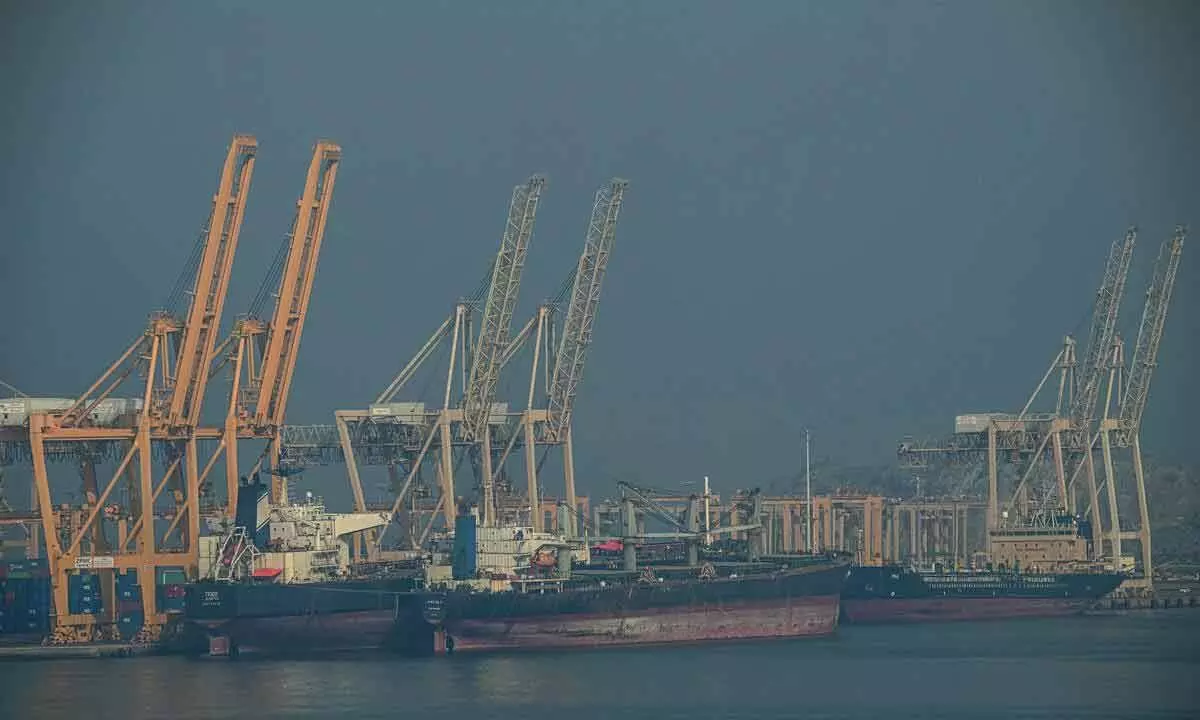
US President Donald Trump and Israeli Prime Minister Benjamin Netanyahu have reportedly agreed to intensify economic pressure on Iran, focusing on curbing its oil exports to China as part of a broader strategy tied to nuclear negotiations.
US President Donald Trump and Israeli Prime Minister Benjamin Netanyahu have agreed that Washington should significantly ramp up pressure on Iran, particularly by targeting its oil exports to China, according to a media report citing American officials familiar with the discussions.
The understanding was reached during a meeting at the White House, where the two leaders discussed using stronger economic measures to limit Tehran’s ability to sell oil, a key source of revenue. One US official was quoted as saying that the approach would involve pursuing “maximum pressure” on Iran, especially with regard to crude exports to China.
Data from energy analysts indicates that China currently accounts for more than 80% of Iran’s seaborne oil purchases. Because of long-standing US sanctions aimed at restricting funding for Iran’s nuclear programme, Tehran has very limited access to global oil markets, making Chinese demand critical for its economy. Last year alone, China reportedly imported an average of 1.38 million barrels of Iranian oil per day, forming a notable share of its overall crude imports.
Beijing, however, has opposed unilateral sanctions and maintains that its trade with Iran is lawful. Reports suggest that Iranian oil shipments to China are often rerouted or labelled as originating from other countries to bypass restrictions, even as official customs data shows no direct Iranian oil imports since mid-2022.
US officials believe that tightening the screws on Iran’s oil trade with China could push Tehran to soften its stance in ongoing and upcoming negotiations over its nuclear programme. The pressure campaign is expected to run in parallel with diplomatic talks and an increased US military presence in the Middle East, should negotiations fail.
The strategy is backed by a recent executive order signed by Trump that allows Washington to escalate economic action against Iran. Under the order, senior US officials can recommend tariffs of up to 25% on countries that continue to trade with Tehran.
Meanwhile, tensions between Iran and the United States remain high. Tehran insists its nuclear programme is peaceful, though it has warned it could move closer to developing a nuclear weapon. Talks between Iranian and US officials are expected to resume next week, even as both sides continue to issue sharp warnings about the consequences of failure.
Next Story


