




- UPI MDR Row: Centre Rejects Foreign Influence Claims, Says Policy Decisions Are Independent
- Karnataka MLA’s Niece Removed From Medical Officer Post Amid Dual Engagement Probe
- CM Revanth Reddy alleged land scam worth ₹1 lakh cr in Telangana, says will form SIT
- Adivi Sesh’s G2 Makers Eye February 5 Release
- Rapido Fined ₹10 Lakh By Consumer Watchdog For Misleading Ads, Unfair Practices
- Hanuman Ansh Telugu Release Date Postponed?
- Suriya And Jyotika Renew Their Vows And Celebrate Their 20 Years Of Love And War
- Flipkart Big Billion Days 2026: Sale Dates Out, iPhone and Galaxy Deals Expected
UPI MDR Row: Centre Rejects Foreign Influence Claims, Says Policy Decisions Are Independent
In Short
The Centre has rejected allegations that changes allowing Merchant Discount Rate on UPI payments were driven by foreign pressure, saying India’s digital payments policy is decided independently.

Share :
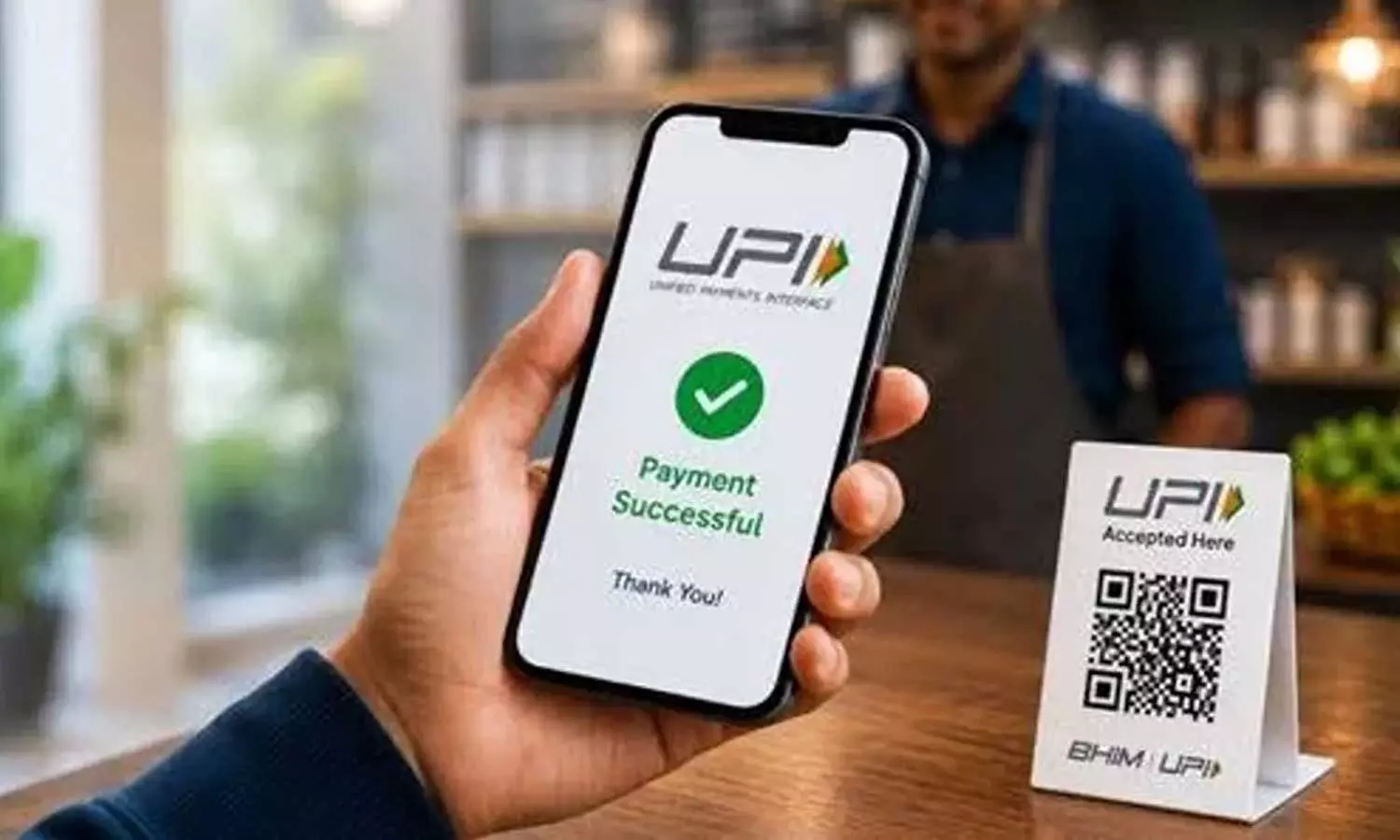
UPI MDR Row: Centre Rejects Foreign Influence Claims, Says Policy Decisions Are Independent
The Centre on Wednesday dismissed allegations that the introduction of a Merchant Discount Rate (MDR) framework for UPI payments was influenced by foreign interests, particularly US payment companies.
The Finance Ministry said India’s decisions concerning the Unified Payments Interface are taken independently and maintained that UPI would continue to remain free for consumers.
Government Rejects Allegations Of Foreign Pressure
The government’s response came after opposition leaders alleged that the changes to the UPI payment framework were linked to pressure from the United States and could benefit American card and payment companies.
Rejecting the claims, the Finance Ministry said India’s UPI policies were formulated independently, with the stated objective of creating a digital payments ecosystem that is affordable, inclusive and capable of sustaining itself financially.
The ministry also reiterated that consumers would not be required to pay charges for using UPI.
What Is The MDR Change?
Merchant Discount Rate refers to a fee associated with processing digital payments, generally involving the merchant-side payment ecosystem.
The recent changes to the legal framework allow MDR to be introduced for certain digital payment transactions. However, the provision itself does not mean that consumers will automatically be charged for UPI transactions.
The government has also maintained protection for UPI transactions of up to ₹2,000, while the framework leaves room for merchant-level charges on eligible higher-value transactions.
The precise implementation and applicable rates, if any, would depend on decisions taken under the UPI regulatory framework.
Opposition Links Move To US Pressure
The Congress has criticised the government's decision, alleging that it could amount to yielding to pressure from the US.
Congress leaders have questioned whether the change could benefit international payment companies that have previously faced India's zero-MDR framework for UPI transactions.
The opposition has also raised concerns that any charges imposed on merchants could eventually be passed on to consumers through higher prices.
These allegations have been rejected by the government, which has said the policy is intended to address the long-term financial sustainability of India's digital payments infrastructure rather than benefit any foreign entity.
Government Cites Sustainability Of UPI Ecosystem
According to the Centre, the rapid expansion of UPI has increased the need for continued investment in areas such as cybersecurity, fraud prevention and payment infrastructure.
The government has argued that a sustainable revenue mechanism could help support the continued expansion of digital payments, encourage competition and reduce dependence on government subsidies.
UPI has become a major component of India's digital payments system, with millions of transactions being processed through the platform every day.
The government has therefore framed the MDR provision as part of efforts to ensure that the payment ecosystem remains financially sustainable while keeping consumer access to UPI affordable.
For now, the key distinction is that the new framework enables MDR for eligible transactions; it does not by itself establish a blanket UPI fee for consumers.
Section 22-A: 1 Crore Acres Or 3 Lakh Acres?
Telangana CM Revanth Reddy orders probe on KCR farmhouse
CM Chandrababu inaugurates SV Museum and EV buses in Tirumala
SEMICON India 2026: Chip industry push gets boost as PM Modi set to lead inaugural session on September 17
Keralam govt in talks with several states, discoms for power purchase: CM Satheesan
YSRCP suspends Repalle leader Mopidevi Srinivasa Rao from party


