






- Rs 32.49L cr bet post CII Partnership Summit 2026: Naidu with a fire in the belly nudges AP towards an industrial revolution
- Name Of The Game Is Speed Of Doing Business...State gets into mission-mode to emerge as industrial juggernaut
- Wealth needs health: the missing line in your retirement plan
- New HMDA chief urges inter-departmental synergy
- 57 ancient temples brought under Hyderabad-based trust initiative
- Gujarat CM attends hospitals and healthcare expo 'Hospica 2026', confers excellence awards
- Erode's organic palm jaggery reaches Europe for the first time, India's chocolate exports rise 25 pc
- Delimitation Bill a victory for South India, says BRS leader KTR
Global players shift businesses from Bangladesh to India
In Short
Global brands like Zara and H&M have shifted $254M in apparel orders from Bangladesh to India amid political unrest. Discover what New Delhi must do to turn this windfall into lasting growth.

Share :
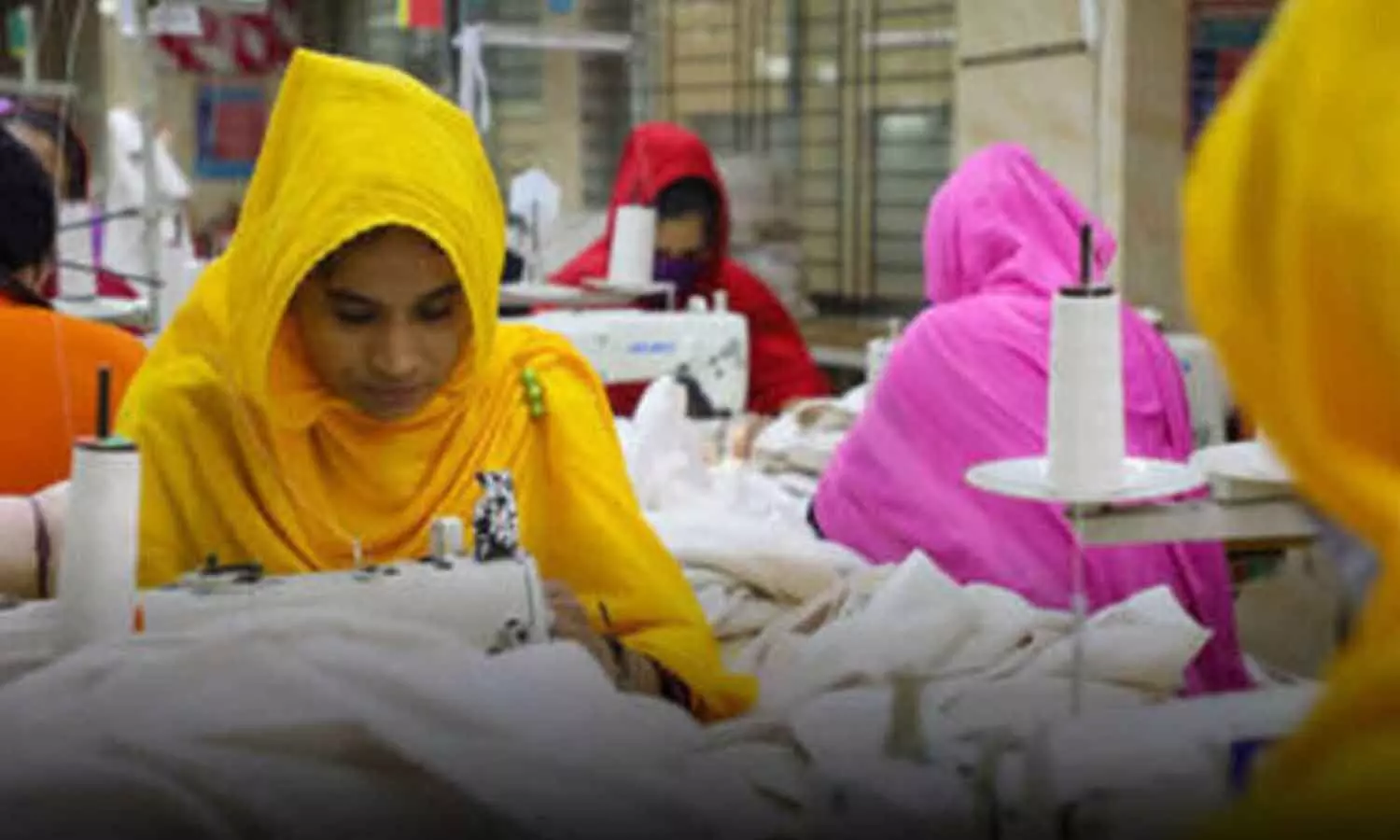
Global players shift businesses from Bangladesh to India
One man’s folly, they say, is another man’s fortune. This may also be true for nations. The Tarique Rahman government’s flirtation with the Islamists is costing Bangladesh’s economy dear—and helping India’s. Not in a big way, but the trickle can become a stream.
Global fashion retailers including Zara and H&M shifted nearly a tenth of their monthly orders from Bangladesh to other Asian manufacturing hubs in the first half of November, as labour unrest disrupted production and rising costs eroded the country’s competitive edge, Reuters reported.
On the face of it, Prime Minister Rahman’s Bangladesh Nationalist Party (BNP) and Jamaat-e-Islami are political adversaries in Parliament, but they are united in their fear of and hatred for the Awami League. Also, they want to stop former prime minister Sheikh Hasina coming back from exile in India.
Soaring wages, energy shortages, and political uncertainty have undermined Bangladesh’s low-cost advantage. As a result, global brands have shown an inclination to diversify sourcing. In the first 18 days of this month, brands diverted about $254 million worth of orders from Bangladesh, with most moving to India.
The development was reflected in the stock market, with Indian textile shares jumping. Gokaldas Exports led the pack with a rise of 11 per cent, followed by Trident, Welspun Living, KPR Mill, and Vardhman Textiles.
So far, so good, but we should not forget that our gain was not the desert for our strivings; it was the consequence of unrest in a neighbouring nation. Rahman could have learned from his predecessor Muhammad Yunus’s dangerous dalliance with Islamists; a smarter politician would have endeavoured to patch up with Hasina, thus earning praise from India and the democratic world. This would also have helped him to keep the Islamists at a safe distance. But he opted for the opposite course.
To his own chagrin—and that of his country’s. To ensure that global players bring their businesses from China and Bangladesh, the top two apparel makers, to India, the Narendra Modi government must take a number of steps. First, it must make doing business genuinely easier by reducing the regulatory maze, simplifying labour laws, and eliminating unnecessary compliance requirements.
Investors need predictability, not frequent policy changes and bureaucratic interventions. Second, India must address its infrastructure deficiencies, particularly the high cost of logistics, inadequate port connectivity and unreliable power supply. Bangladesh’s difficulties should not tempt us into complacency; our competitors in Vietnam, Cambodia, and Indonesia are also vying for the same orders.
Third, the government must help the textile industry move up the value chain. This requires encouraging investment in modern machinery, advanced manufacturing techniques, technical textiles, and manmade fibres, rather than relying excessively on traditional cotton-based products. India also needs to strengthen its domestic supply chains so that manufacturers can source quality raw materials at competitive prices without depending heavily on imports. Equally important is the availability of a skilled workforce.
Training programmes must be aligned with the actual requirements of the industry. Finally, the government must resist the temptation to treat every industry as an instrument of political patronage. Businesses need freedom to invest, expand, and compete. The opportunity created by instability in Bangladesh will not last indefinitely. India must seize it through competitiveness, not complacency. Orders are won through efficiency, reliability and cost-effectiveness, not geopolitical happenstance.
AP Panchayat elections live updates: Second phase of Andhra panchayat polls begins
Around 9336 contestants to fight third phase panchayat polls
Congress’s ‘Brother Stalin’ Outreach Fails; No Rethinking ‘Brother Stalin’ Tells ‘Brother Rahul’
Last-Minute Damage Control: Embarrassed Congress Runs to Allies
‘Death of democracy’: Rahul Gandhi on BJP ‘bid to redraw’ India's electoral map
President Murmu visits tribal freedom fighters’ museum, typical Mizo village in Mizoram


