






- Ten years after demonetisation: Time for an honest assessment
- We went for a peaceful protest: Shiv Charan
- Congress approaches Women’s Commission against Owaisi
- Telangana: Rs 5L cover for 1 member aged between 18 and 59
- Shared civilisational heritage key to stronger SCO cooperation: Gajendra Singh Shekhawat
- PM Modi praises Nitish Kumar's leadership, says Bihar's development journey continues under CM Samrat Choudhary
- ‘It was a great pleasure’: PM Modi after meeting Nitish Kumar at Patna airport
- Google Creates a Fake Internet to Test Its AI
From creative talent to creative capital: Building Bharat’s creator economy
In Short
Strengthening intellectual property, creative finance and entrepreneurship can help transform Bharat’s cultural and intellectual wealth into sustainable economic prosperity
Share :
From creative talent to creative capital: Building Bharat’s creator economy
Bharat’s greatest creative resource is its people. A filmmaker transforms an idea into a visual experience, a musician converts imagination into melody, a designer gives functionality an aesthetic identity, and a digital creator connects knowledge with audiences across continents. From traditional performing arts to animation, gaming, architecture, publishing and advertising, creativity generates economic value through ideas, skills and intellectual property.
As Bharat advances towards Viksit Bharat 2047, an important policy opportunity is emerging: enabling creative talent to become creative capital. This transition involves recognising creators as economic stakeholders, strengthening their ownership of intellectual assets and providing pathways from individual creativity to sustainable enterprise.
Expanding Economic Landscape
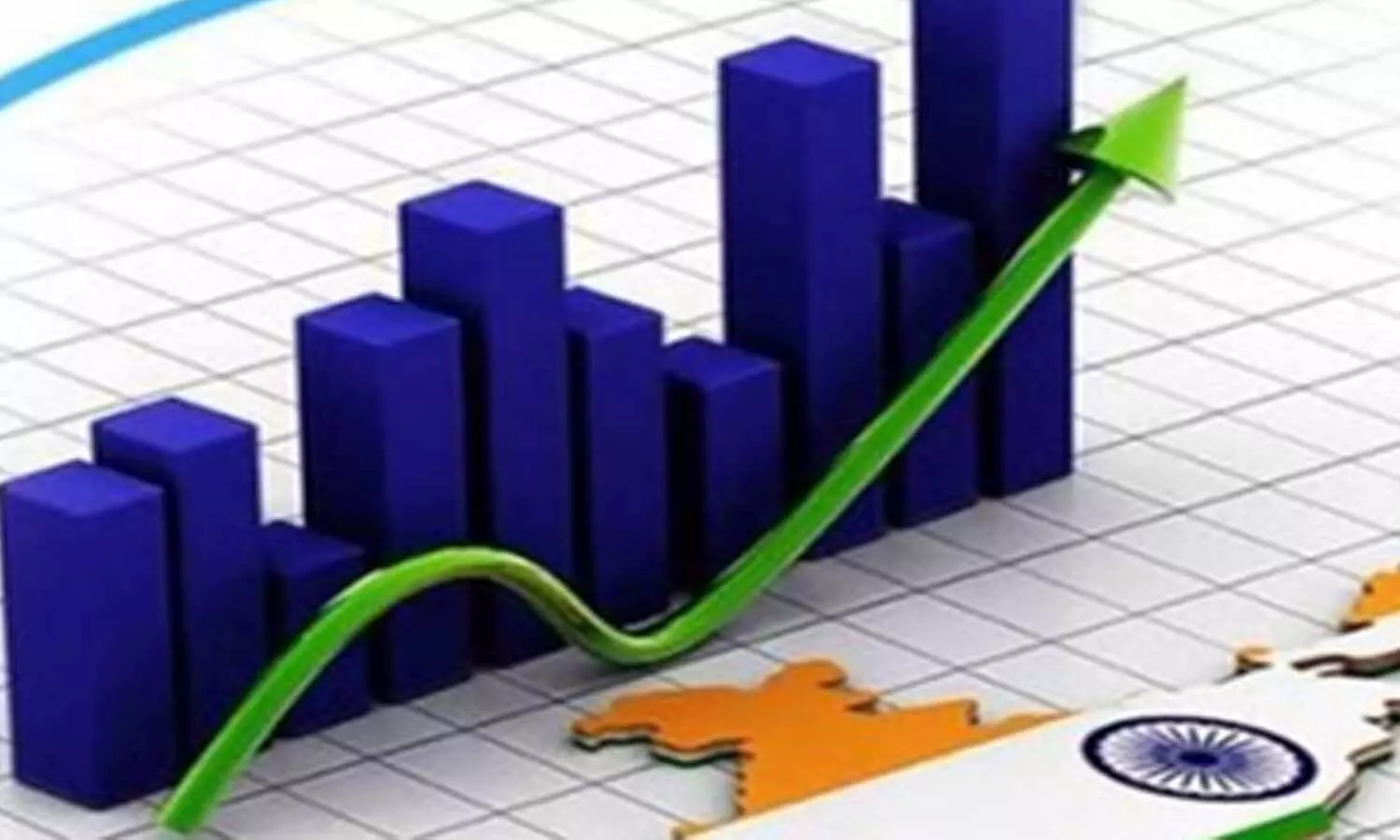
The Ministry of Information and Broadcasting’s statistical publications highlight the growing significance of creative industries. The media and entertainment sector was valued at approximately Rs 2.5 trillion in 2024 and is projected to reach around Rs 3.06 trillion by 2027, reflecting annual growth of nearly seven
per cent.
The creator economy is adding another dimension to this expansion. A Boston Consulting Group study presented at WAVES 2025, and publicised by the Ministry of Information and Broadcasting, estimated that Bharat has between two and 2.5 million active digital creators.
The study indicated that approximately eight to ten per cent effectively monetise their content.
These figures reveal an opportunity to strengthen the economic capabilities of a rapidly expanding creative workforce.
Importantly, the creator economy extends beyond social media personalities. Independent filmmakers, photographers, writers, musicians, designers, animators, game developers, theatre practitioners and cultural entrepreneurs contribute to interconnected creative markets.
A comprehensive policy approach can recognise this diversity while supporting both emerging digital professions and established cultural occupations.
Intellectual Property as Creative Capital
In a knowledge-driven economy, intellectual property can become an important productive asset.
A screenplay may generate value through film adaptation, translation and digital distribution. A musical composition can create licensing opportunities across multiple platforms. An original animation character may develop into publishing, gaming, merchandise and educational content.
The Copyright Act, 1957, and Bharat’s National Intellectual Property Rights Policy provide an institutional foundation for protecting creative works.
The next opportunity lies in improving practical access to these protections.
Creative professionals would benefit from affordable intellectual property advisory services, standard licensing templates, contract literacy and transparent royalty-management mechanisms.
Universities, creative incubators and District Creative Economy Clusters could establish Intellectual Property Facilitation Cells to help creators understand ownership, licensing, attribution and commercialisation.
This would enable creators to participate more effectively in the long-term value generated by their original work.
Creative Finance: Investing in Ideas
Creative enterprises possess distinctive economic characteristics. Their primary assets may include scripts, designs, recordings, digital content, copyrights, brands and specialised skills.
Conventional lending models frequently assess physical collateral and established revenue streams. Creative businesses, particularly at an early stage, may require financing approaches that recognise project-based income and intellectual assets.
Bharat’s Startup India ecosystem and MSME support mechanisms provide useful foundations for enterprise development.
Building upon these initiatives, policymakers could explore dedicated Creative Enterprise Finance Windows offering seed support, project development assistance, credit facilitation and investment-readiness programmes.
Pilot initiatives could assess the feasibility of intellectual property-backed financing, supported by appropriate valuation standards and risk safeguards.
Such measures could encourage filmmakers, designers, game developers, publishers, musicians and cultural entrepreneurs to establish commercially viable enterprises.
From Individual Creators to Creative Enterprises
The Government’s World Audio Visual and Entertainment Summit, WAVES 2025, demonstrated the potential of connecting creative talent with markets and
investment.
According to the Ministry of Electronics and Information Technology’s February 2026 parliamentary response, WAVES attracted more than one lakh participants from over 100
countries.
Its WaveX platform enabled 30 startups to pitch to industry leaders and provided exhibition opportunities for more than 100 startups. WAVES Bazaar was developed as a marketplace for scripts, music, comics and audiovisual rights, with continued year-round
engagement.
These initiatives illustrate how structured platforms can connect creativity with commercial opportunities.
Similar approaches could be extended to regional creative enterprises through incubation centres, university partnerships, production facilities and digital marketplaces.
District Creative Economy Clusters, proposed in the previous column, could provide the local infrastructure through which creators access training, finance, intellectual property services and market networks.
Fair Value Across the Creative Chain
Creative production involves multiple contributors. A film depends on writers, performers, technicians, designers, editors and musicians. A gaming project integrates storytelling, software, animation, sound and visual design. A cultural festival creates opportunities for performers, event professionals, hospitality providers and local businesses.
The sustainability of this ecosystem depends on transparent contractual arrangements, timely payments and equitable access to commercial
opportunities.
Policy support for model contracts, royalty awareness, digital payment systems and professional associations could strengthen confidence across creative markets.
Artificial intelligence introduces further opportunities for production, translation, accessibility and distribution. It also increases the importance of clear frameworks concerning authorship, licensing, consent and remuneration.
Responsible technological innovation can strengthen the economic interests of creators while expanding the possibilities of creative expression.
Towards a Creator-Centric Policy Framework
Bharat’s creative economy can benefit from a coordinated framework connecting cultural policy, intellectual property, finance, technology, education and entrepreneurship.
Three complementary interventions deserve attention: a Creative Economy Satellite Account to measure economic contribution; District Creative Economy Clusters to develop local enterprise ecosystems; and Creative Enterprise Finance Windows to support the commercial growth of creative ideas.
Together, these measures could strengthen creator incomes, intellectual property ownership, enterprise sustainability, employment generation and international market access.
(The writer is a Creative Economy Expert)
An autobiography without introspection: A journey of lies
It has damaged trust and credibility of Hyderabad: KTR
AICC summons Raj Gopal Reddy
French co to invest Rs 4K cr in Telangana
Maha CM Fadnavis inaugurates high-tech facilities for Brihanmumbai Police Commissionerate
PM Modi says appeal to cut gold purchases helped bring down prices, credits citizens for heeding advice


