




- EU sets out accession roadmaps, urges Ukraine to accelerate reforms
- US Midterms: Samosa Caucus set to hold at 6; defy forecast of shrinking Indian American bloc in Democratic House
- Commonwealth partners need to de-risk, diversify supply chains through trusted routes, says EAM Jaishankar
- HM Shah to participate in 'Loktantra Bachao, Arajakta Hatao' in Haryana
- PM Modi to interact with Asian Para Games' Indian contingent today
- NTR district ready for peaceful polls
- Prakasam ready for ZPTC, MPTC polls
- Power lines, houses damaged in Prakasam
Beyond the baby bump
In Short
How strength training can help prepare a woman’s body for labour and motherhood

Share :
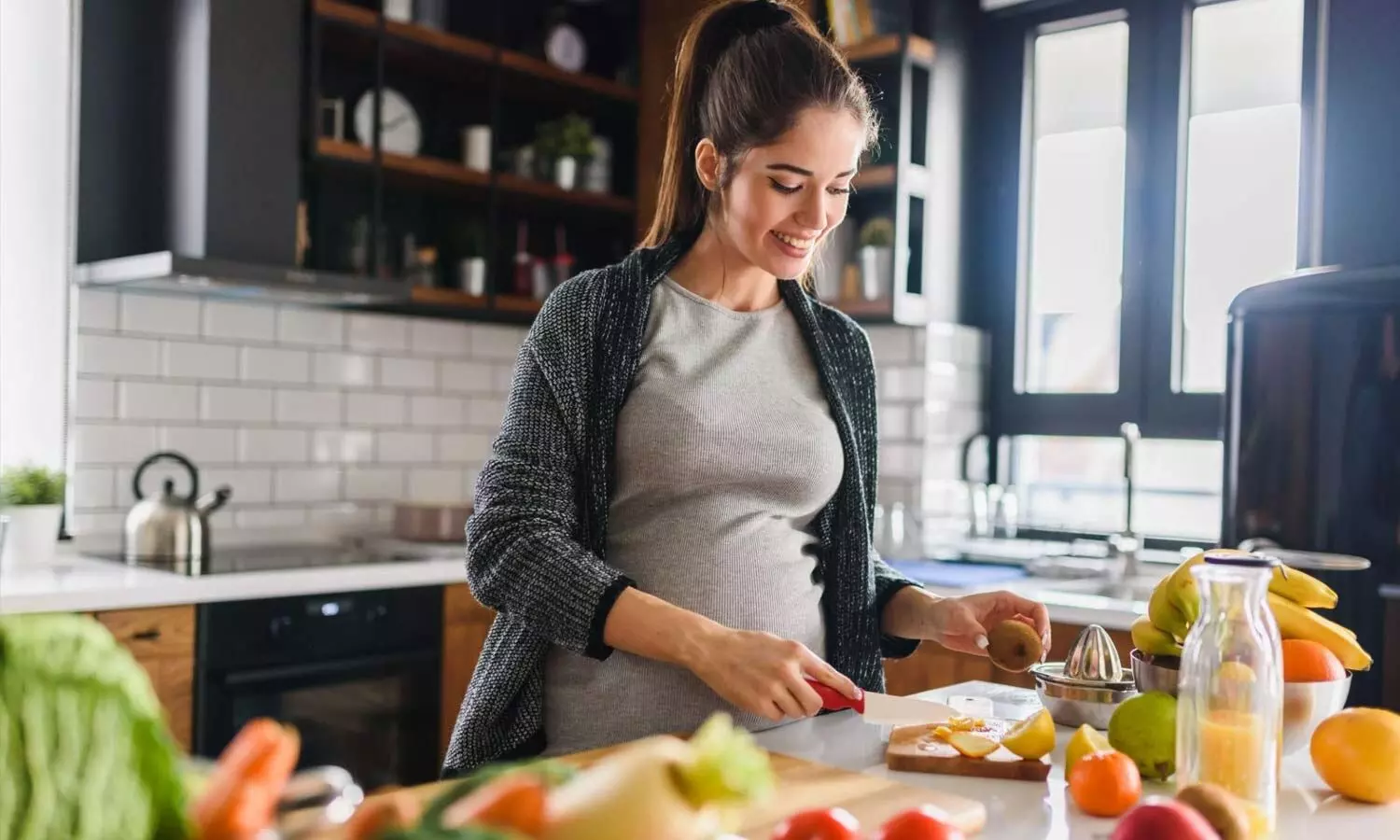
Beyond the baby bump
Pregnancy changes a woman’s body in ways people rarely talk about. The belly grows, the centre of gravity moves, and the back, hips, joints and pelvic floor all start working harder. Most of the attention goes to the baby, which is natural. But the mother’s body has to get through labour and then through months of recovery and baby care, and it deserves some preparation too. With the right medical guidance, strength training can be a useful part of that.
As a gynaecologist, I don’t think pregnancy has to mean giving up exercise. If your pregnancy is uncomplicated, staying active is usually fine, and strength work adapted for pregnancy can help. Every pregnancy is different, though. Talk to your obstetrician before you start or continue any routine, especially if you have a medical condition or have been told your pregnancy needs extra watching.
Building strength for labour and recovery
Labour is hard physical work. It can go on for hours, and it asks for stamina as much as strength. Stronger legs, hips, back and core make it easier to hold your posture, keep your balance and move around comfortably as the weeks go by. Supported squats, resistance-band exercises and other modified movements can help you stay mobile and cope with what pregnancy asks of you.
I should be honest about what strength training can’t do. It doesn’t promise a shorter or easier labour, and it doesn’t mean you won’t need medical help. What it can do is leave you better able to handle the physical load, and it may help you recover faster afterwards.
Pelvic floor exercises matter here as well, as long as they are taught properly. They help you become aware of the muscles that control the bladder and support the pelvis. Learning to relax those muscles is just as important as tightening them, especially during childbirth.
The physical side of being a mother
Delivery is not the end of the physical effort. Picking up and carrying the baby, feeding, leaning over the cot, getting up again and again at night: all of this puts steady strain on the shoulders, back and arms. Building up strength gradually during pregnancy, where your doctor agrees it is suitable, makes these daily tasks easier to manage.
Exercise can also help how you feel. Moving regularly tends to lift mood and ease stress, and some women say it helps them feel at home in a body that keeps changing. A routine you can rely on gives you some sense of control at a time when a lot feels uncertain. It isn’t a replacement for professional mental health support, but it can sit alongside it as one part of looking after yourself during pregnancy and in the early days of parenthood.
Why professional guidance matters
This is not the time to chase personal bests or copy whatever workout is trending online. If you are new to exercise, start slowly. If you trained before pregnancy, expect to change your routine as the months pass. A qualified prenatal trainer who has real experience with pregnant women can adjust the exercises, the intensity and your technique for each trimester.
Get clearance from your obstetrician first. Some conditions, such as certain placental problems, heavy bleeding or a risk of preterm labour, may mean you need to cut back or stop. Avoid anything where you could fall, get hit in the abdomen or overheat. And stop at once and call your doctor if you notice vaginal bleeding, leaking fluid, chest pain, dizziness, painful contractions or unusual breathlessness.
Food matters just as much
Training works best when you are eating well. In pregnancy, protein supports your own tissues and the baby’s growth, while iron, calcium, folate and vitamin D all play their part in healthy development. Pulses, beans, lentils, dairy, tofu, nuts and well-cooked eggs (if you eat them) are good sources of protein. Vegetables, fruit, whole grains and legumes add fibre and keep your bowels regular.
Constipation is very common in pregnancy. It can lead to piles and make anal fissures worse. Fibre, enough fluids and regular movement help, though they can’t prevent it completely. If constipation keeps coming back, or you notice rectal bleeding or pain, see your doctor instead of trying remedies on your own. Food safety needs care too. Street food that is prepared or stored in poor conditions can carry infections. Choose food that is freshly made and cooked all the way through, drink safe water, wash fruit and vegetables well, and stick to pasteurised dairy. How much protein you need depends on you, and extra supplements aren’t necessary for everyone, so check with your doctor before adding them.
Start before you conceive
If you are planning a pregnancy, it helps to build good habits beforehand. Stay active, eat balanced meals, sleep enough and book a preconception check-up. That visit can pick up nutritional gaps or health issues early, and it is a good time to ask whether your exercise routine needs changing.
In the end, getting ready for motherhood is about more than the number on the scale or the size of the bump. With advice that fits you, sensible strength work, good food and people who support you, you can have a healthier pregnancy and step into motherhood with more confidence. You don’t need to reach any particular level of fitness. What matters is that you and your baby get the care you both need along the way.
(The writer is a director - Obstetrics & Gynaecology, Gurugram)
EU sets out accession roadmaps, urges Ukraine to accelerate reforms
PM Modi to meet new NITI Aayog leadership today, review policy priorities for Viksit Bharat 2047
Gul Panag begins new fitness journey: A little experiment in midlife muscle
Bharat Designer Show brings a new wave of creativity to India’s fashion landscape


