




- From first period to menopause: Why women need a lifelong approach to wellness
- Bharatanatyam and Kuchipudi recitals celebrate devotion and divine stories
- Redefining spaces beyond decoration through the language of Indian sculpture
- KCR farmhouse: Farmers’ issued notices in Erravelli village
- HC verdict should apply on all turncoat MLAs: KTR
- Resolution of 22A issues soon: Ponguleti
- Danam Nagender moves SC against disqualification
- EESL initiative to drive energy efficiency among MSMEs lauded
From first period to menopause: Why women need a lifelong approach to wellness
In Short
Women’s wellness is a lifelong journey, with changing health needs from the first period through pregnancy, reproductive years and menopause. A holistic approach to women’s health focuses on prevention, awareness and personalised care at every stage of life

Share :
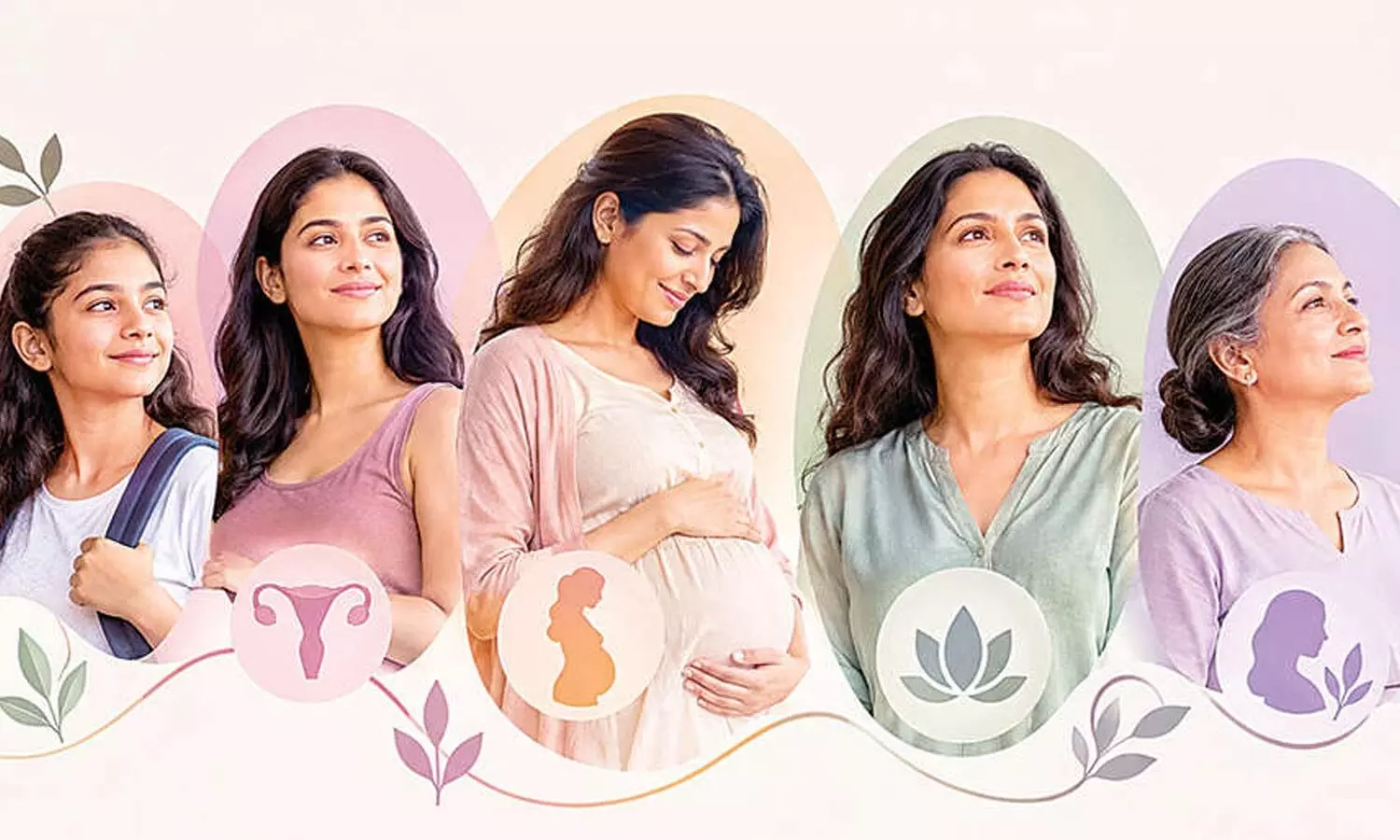
From first period to menopause: Why women need a lifelong approach to wellness
Women’s wellness is often discussed through isolated milestones periods, pregnancy, fertility or menopause. But women’s health is not a series of disconnected events. It is a lifelong journey in which the body’s needs evolve continuously. From the first period during adolescence to the transition into menopause, each stage brings distinct physical, hormonal and emotional changes. A meaningful approach to women’s wellness must therefore move beyond short-term solutions and focus on building health across the entire life course.
The first period is more than a biological milestone; it can be the beginning of a woman’s relationship with her own health. Adolescents need age-appropriate education about menstrual cycles, nutrition, hygiene, physical activity and emotional wellbeing. Irregular cycles can be common during the early years, but persistent pain, unusually heavy bleeding or significant disruption to daily activities should not simply be dismissed as something every girl has to experience. Early awareness can help young women recognise their bodies and become more confident about seeking appropriate healthcare.
During the reproductive years, wellness needs can become more complex. Menstrual health, fertility, contraception, pregnancy planning, nutrition, exercise, sleep and mental wellbeing can all become interconnected. Hormonal fluctuations may influence energy, mood and appetite, while conditions such as endometriosis, polycystic ovary syndrome and fibroids can affect quality of life and reproductive health. This stage calls for personalised healthcare rather than a universal wellness formula.
Pregnancy represents another significant shift. The body undergoes extensive physiological changes, and nutritional, physical and emotional needs evolve accordingly. Prenatal healthcare, appropriate nutrition, safe physical activity, adequate rest and mental wellbeing become important components of overall health. Importantly, pregnancy should not be approached through the pressure to maintain a particular lifestyle or body standard. Wellness during this period should be centred on the health and individual needs of the mother and developing baby, with guidance from qualified healthcare professionals.
The years approaching menopause bring another transition. Perimenopause can involve changes in menstrual patterns, sleep, temperature regulation, mood and energy. Because these changes may develop gradually, women can sometimes struggle to understand what is happening. Better health conversations can help women recognise that this transition is a legitimate part of the life course and that disruptive symptoms deserve appropriate attention rather than being automatically attributed to ageing or stress.
Menopause also presents an opportunity to shift the focus from reproductive health towards long-term wellbeing. Physical activity, particularly strength and weight-bearing exercise, balanced nutrition, sleep, cardiovascular health, bone health and emotional wellbeing become increasingly important considerations. Individual circumstances vary, so wellness strategies should be tailored rather than based on generic menopause advice.
The larger opportunity lies in changing how women’s wellness is understood. Instead of waiting for a health concern to emerge and then searching for a quick fix, women can benefit from preventive conversations that evolve throughout life. Healthcare providers, families, workplaces, schools and wellness platforms all have a role in making those conversations more accessible and informed.
A lifelong approach does not mean following the same routine forever. It means recognising that women’s bodies change and allowing wellness strategies to change with them. From the first period to menopause and beyond, the goal should be to give women the knowledge, support and confidence to understand their bodies, identify changing needs and make informed choices at every stage of life.
(The writer is a Founder & CEO, Yoginii)
Vizag has potential to become global city: CM Naidu
AP to declare drought-hit mandals on Oct 1
US extends $100,000 H1B fee by one more year!
Centre scraps location-based CGHS eligibility restrictions
Belt shops thriving even in Hyderabad
Rs 47.52 lakh Aarogyasri funds diversion under police probe at Srikalahasti hospital


