




- ED seeks day-to-day trial of Jagan in quid pro quo case
- Donald Trump continues to harp on Nobel
- “Haven’t you taken pesticide yet”, tehsildar mocks farmer
- 'Urgent relief': Maha CM Fadnavis directs immediate foodgrain supply to 265 drought-hit talukas
- BJP won bypolls, rejects Opposition's claim that govt is afraid: Assam CM Sarma
- Sting operation row: Union Min Kumaraswamy questions CM Shivakumar, demands probe
- 'Democratic framework does not run on blind faith': Smriti Irani backs open letter by ex-civil servants
- Telangana Informal Cabinet Meeting on Oct 12 on El-Nino
The new bridal jewellery wardrobe: Why Indian brides want pieces that go beyond the wedding
In Short
The heavy set was never only decoration.

Share :
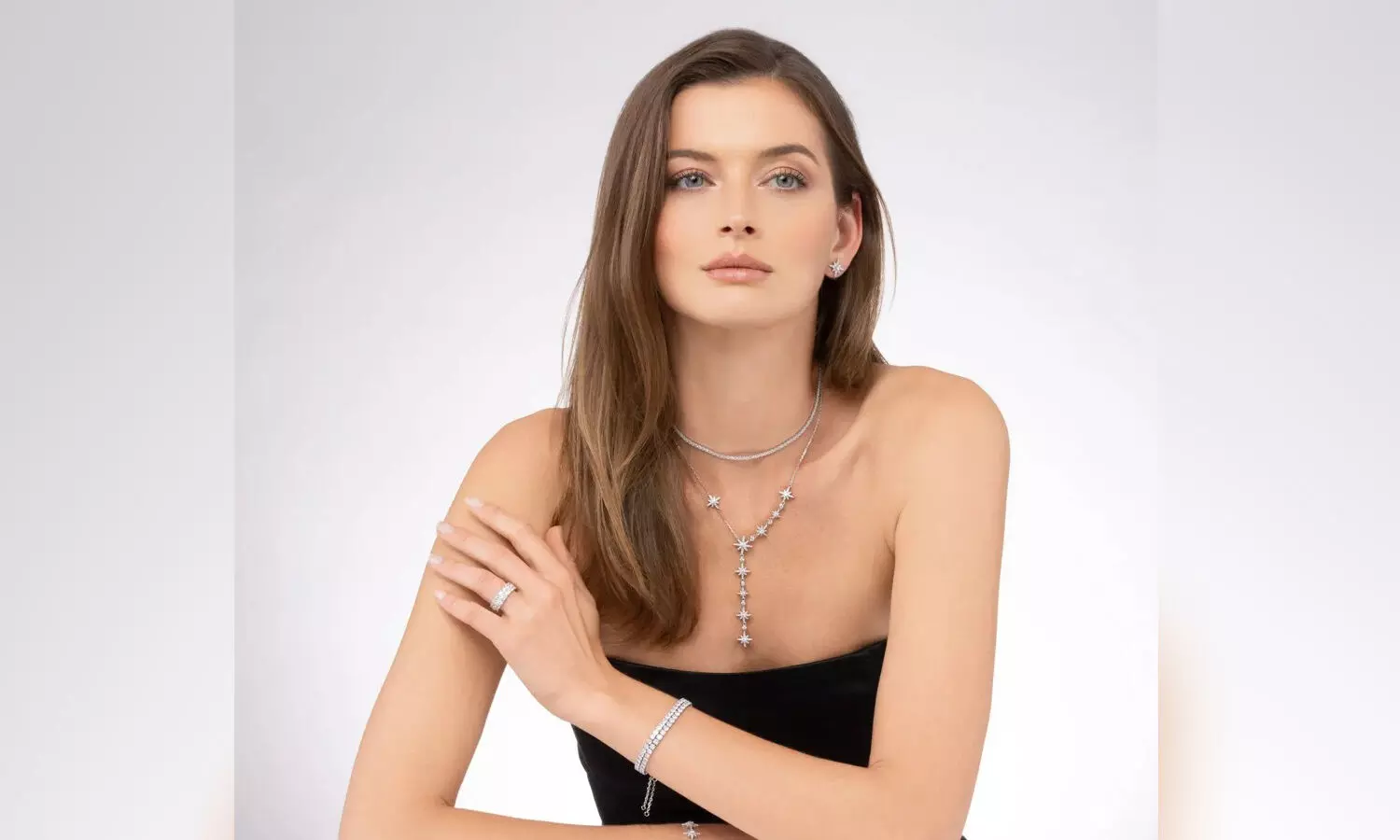
The new bridal jewellery wardrobe: Why Indian brides want pieces that go beyond the wedding
A bridal set has traditionally been designed for a single day, then put away. Indian brides are now asking a different question: where and when else can I wear this? That question, more than any trend, is reshaping how bridal jewellery is designed.
The heavy set was never only decoration. For generations, bridal gold has also functioned as a form of financial security: an asset associated with the bride that could stay with her through different stages of life.
The context has changed too. Women are increasingly buying jewellery for themselves, alongside building careers and more varied lives. The set carried tradition, security and adornment in a single purchase. A woman with an income and a working week of her own can ask jewellery to move with her from client meetings to office dinners. A bride’s jewellery now has to keep up with her work, not only her wedding.
Even so, the wedding remains the centre of the category. Motilal Oswal research puts about 58 per cent of India’s gold jewellery demand as wedding-driven. That figure shows how much the category rests on weddings. It does not show what brides are choosing for them. The usual inference is that the bridal set is untouchable. I read it differently. The wedding is still the occasion, but what a bride buys for it is being unbundled into pieces.
This year’s data, which covers all gold jewellery rather than bridal alone, offers a wider view. The World Gold Council reports that India is buying less gold by weight, yet the value of the demand has risen. Within that, buyers are moving towards lighter-weight pieces, and organised retailers are seeing growing sales of studded jewellery. Buyers are still spending. What they choose to spend on is changing. A traditional set is conceived as one statement: necklace, earrings, tikka and bangles designed together for a single outfit. That logic produced beautiful work, but each piece was made to complete the others, so few can be worn apart. Brides now want pieces that can stand alone, so the wedding becomes the first outfit in a wardrobe rather than the whole of it.
Public bridal dressing has leaned towards restraint for some years, even as heavier looks remain. Anushka Sharma’s 2017 Mumbai reception look offered an early example: a diamond necklace with solitaires-led earrings created impact without the heavily layered jewellery often associated with bridal dressing.
Lighter jewellery is part of this shift, but it is not simply a matter of using less material. It calls for a different approach to design, one built around how a piece will actually be worn. A piece worn through a long ceremony and then to dinner has to be balanced and comfortable.
Designing for wear leads to a simple test for any bridal piece. Ask what its second outfit is. Intimate celebrations, festive gatherings, dinners and the working day all make different demands. A well-designed piece should have an answer for each. One with no answer will wait in the locker for the next wedding.
Lighter pieces carry less metal, so the impact has to come from elsewhere. Increasingly, it comes from the stone. This is where lab-grown diamonds enter the design conversation. They give designers greater freedom to play with scale, because larger stones are now more accessible. That moves the design question from whether a bride can have a bigger stone to what the stone should do. Often the answer is restraint. A solitaire pendant, a pair of simple studs or a slim line of stones can be the bridal piece itself. Such pieces can be worn almost anywhere.
Personalisation takes the same thinking one step further. Initials set discreetly into a design, a motif meaningful to the couple, a birthstone chosen for a parent or sibling: these details make a piece specific to one person. The best versions are designed in rather than added on, with an initial worked into the line of a setting. A piece that carries someone’s own story is less likely to become occasion-only jewellery. The same instinct is changing how heritage forms are worn. Alia Bhatt and Deepika Padukone have also worn restrained mangalsutra designs, illustrating how a piece of deep cultural meaning can sit comfortably within a contemporary wardrobe. The meaning stays, and the form adapts to how the bride lives now.
The older set derived part of its value from being kept. The new wardrobe derives more of its value from being worn, remembered and reached for over time. The set will not vanish, and many brides will still want one. But the pieces that earn their place now are designed for a life beyond the wedding day. Wedding photographs record one day. The most considered bridal jewellery is the kind still being worn long after those photographs have been framed.
(The writer is a Founder of DiAi Designs)
CM Naidu sets Nov 15 deadline for local polls
Rajiv panel recommendations approved…Cabinet clears BC quota across eight categories
El Nino century’s biggest natural crisis: CM Revanth Reddy
Karnataka BJP mocks CM Shivakumar’s Delhi trip, says ‘visit villages instead of sitting on Delhi streets’
Matter of shame that LoP has no understanding of constitutional duties: Piyush Goyal
'Against the Constitution': Supriya Sule condemns Abhijeet Dipke's detention


