




- Govt will provide legal ownership of rural properties: MP CM Yadav
- Congress assured of defeat in future elections, says Karnataka BJP's Chalavadi Narayanaswamy
- UP: Rs 8 lakh compensation for lives lost in disaster, 30 pc higher compensation for crop losses
- 1984 anti-Sikh massacre trials conducted like institutional fraud, says former judge
- BJP leader Ravi Kumar demands apology from Priyank Kharge over ‘village idiot’ remark
- Karnataka CM Shivakumar to attend LoP Gandhi's meeting in Delhi, call on Union Ministers
- Anil Ravipudi And Venkatesh’s January 12 Vidudala Team Heads To Kazakhstan
- Mahesh Babu Too Heaps Praises On Nitish Tiwari’s Ramayana
Devices aren’t lasting as long as they should, here’s why
In Short
An insightful look into how planned obsolescence accelerates e-waste, damages the environment, and why stronger right-to-repair laws are essential to protecting consumers.

Share :
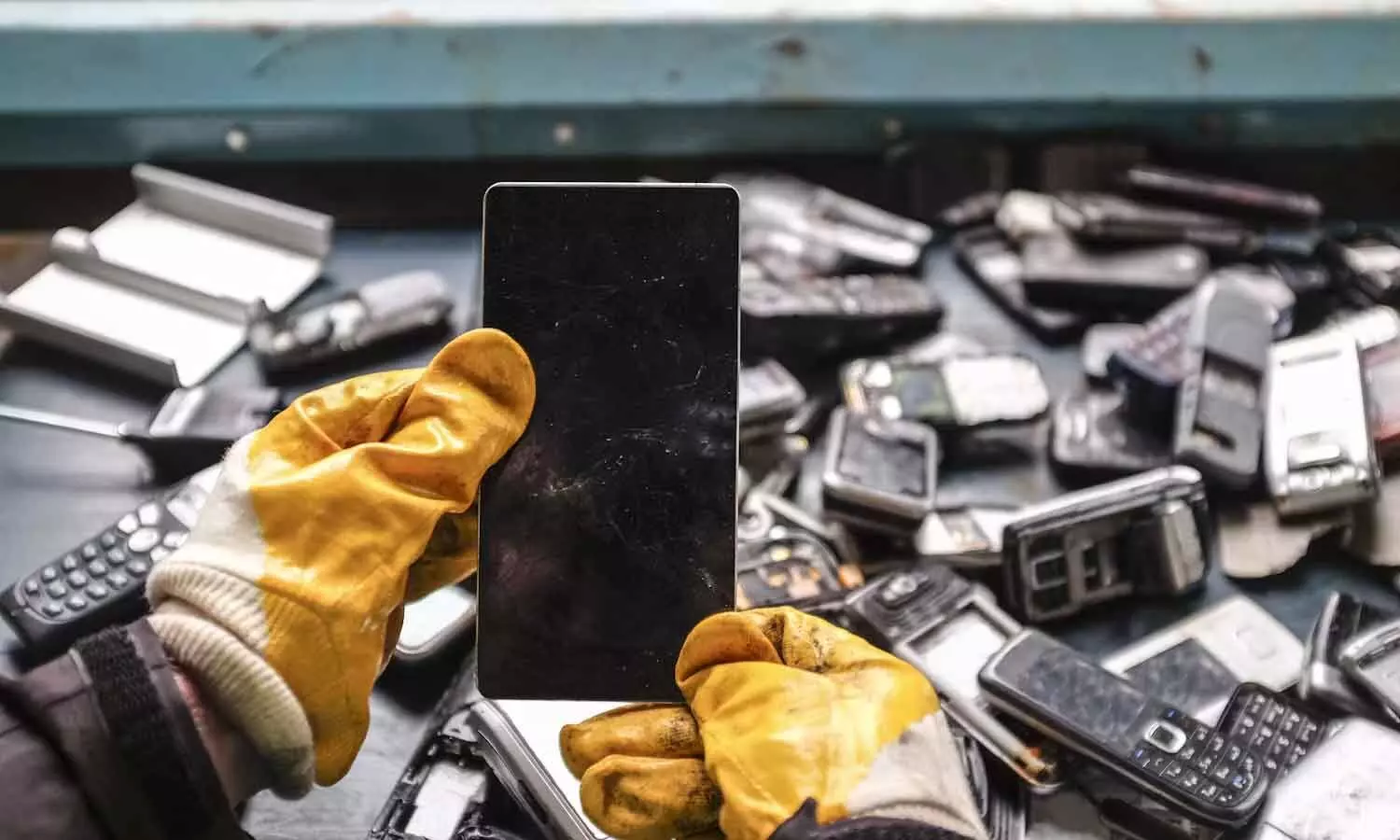
Devices aren’t lasting as long as they should, here’s why
Is your new phone already slowing down or your expensive earphones acting up? You’re not imagining it. Our products are no longer designed to last, with some barely working a few years before ending up in landfill. Shortening the lifespan of a product is a strategy known as planned obsolescence. My new research takes a closer look at this concept and argues that, by strengthening existing laws, it is possible to make products that last while reducing costs for consumers and the environment.
Mountains of e-waste
Modern devices like laptops and smartwatches are made of a combination of rare materials, toxic substances and flammable batteries, such as mercury and arsenic. When released into the environment, these toxic chemicals can pollute the soil and waterways. This should make us think twice about throwing out broken devices.
Yet, Australians produce almost three times the global average of electronic waste, known as e-waste. Globally, we generated 62 million tonnes of e-waste by 2022. That amount could fill more than one million trucks, about enough to wrap around the earth’s equator. E-waste worldwide is set to rise by another 32%, reaching 82 million tonnes by 2030. In Australia, reducing waste must be a priority if we’re to meet our net zero goal and transition to a circular economy, where our belongings are reused, repaired or recycled instead of piling up in landfill.
Faulty by design
Planned obsolescence is one way technology companies pull people into a loop of constant consumption. When our new device quickly breaks, we simply buy a new one. But planned obsolescence is one problem with many facets. For starters, companies can design products that aren’t sustainable. Think wireless earphones with batteries that quickly break down. Their design can make it very difficult to replace the battery, making them “disposable gadgets” once they’re unable to hold a charge. Manufacturers may also make it harder to repair their products.
For instance, parts of a device can be glued together so it can’t be taken apart and repaired. What’s more, some companies require a repairer to be “authorised” to get access to the parts, software locks or information needed to repair a specific product. You can try and fix a device yourself, but repair manuals can be subject to copyright and manufacturers may prevent third parties from sharing them online. Beyond the actual product, there’s the behavioural side of planned obsolescence. Technology companies regularly update models so your current device quickly looks out of date, a strategy known as psychological obsolescence. Companies use advertising to convince you to buy their latest product and market newer devices as status symbols, such as a smartphone with accessories that are only compatible with the “new generation” of phones.
A systemic problem
Planned obsolescence is typically viewed as a company strategy. In Europe, consumer associations launched a complaint against Nintendo for premature obsolescence, claiming its Nintendo Switch controllers were quickly becoming unresponsive. After the European Commission and other authorities contacted Nintendo, the company agreed to offer free repairs. The federal court of Australia ordered Apple to pay A$9 million for making false or misleading representations to iPhone users affected by a software fault about their rights to have their device repaired or replaced under the Australian Consumer Law. These rights don’t simply stop applying because your phone has been repaired by a third party. But planned obsolescence is not necessarily the fault of any one person or company. Rather, it’s the result of our current produce-and-consume system.
So, what can we do about it?
Stronger laws are key to ensuring products last. However, it’s difficult to change legislation. What’s more, lawmakers often fail to recognise the many aspects of planned obsolescence. Consider Australia’s first right to repair law. This legislation aims to help people repair their vehicles more easily and at a lower price. This is a win for motorists, who would otherwise be forced to go to authorised dealerships. The government recently asked for public feedback on whether the law should be expanded to agricultural machinery. But there has been no discussion about repairing devices and other everyday products. Importantly, this law doesn’t address what happens to products that simply can’t be fixed or help consumers tell if a product can be repaired before they buy it.
Social harmony can’t be achieved through political slogans
Punjab and UP elections: A litmus test for Congress: Beyond SIR, where is the development agenda?
Devices aren’t lasting as long as they should, here’s why
BHEL targets Rs 3,000 crore profit; HMT factory to be revived soon: Kumaraswamy
K’taka govt dealing with Centre in name only over drought: Kumaraswamy
Chhattisgarh govt announces 1,703 govt jobs ahead of Diwali


