




- Every blood donor is a lifesaver, says Bhuvaneswari
- Patient safety panels set up in govt teaching hosps
- 28 officers appointed as expenditure observers
- TDP-YSRCP clashes rock Punganur, several injured
- YS Jagan accuses Naidu of unleashing violence to win polls
- How to keep your skin happy through the long festive days
- What students need from higher education today?
- TPCC chief calls for statewide water conservation drive amid El Niño
What students need from higher education today?
In Short
Shailendra Bhadauria explores how modern universities can complement academic rigor with practical experience, AI adaptability, and real-world skills.

Share :
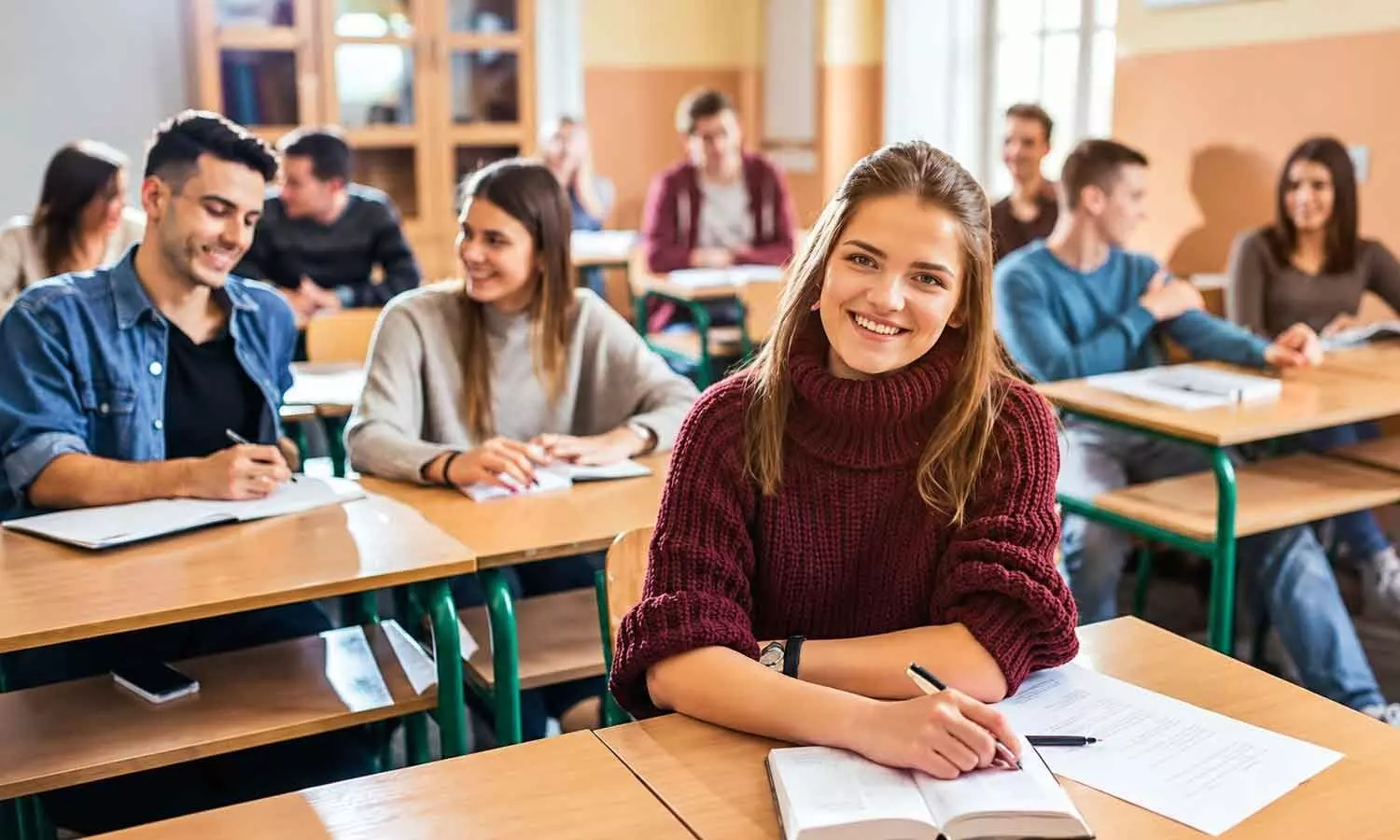
What students need from higher education today?
University classrooms are changing, not necessarily because students are less interested in learning, but because they have grown up with easy access to information. Videos, digital resources and online learning tools allow them to explore subjects beyond textbooks and lectures. As a result, students increasingly want to understand how their education connects with the world beyond campus.
A university degree remains important, as do subject knowledge, academic discipline and experienced teachers. However, students also benefit from opportunities to apply concepts, ask questions and explore how their learning relates to future careers and wider social needs.
Connecting classrooms with the real world
Traditional teaching methods continue to provide structure, but learning can extend beyond lectures, prescribed reading and examinations. Practical assignments, research projects, internships and industry interactions can help students understand how academic concepts work in real situations.
A management student, for example, may learn marketing principles through coursework. Analysing a campaign, studying consumer behaviour or examining how a business responds to changing market conditions can help put those principles into context. Similar opportunities exist across engineering, science, humanities, commerce and other disciplines.
Teachers remain central to this process. Digital tools can make information accessible, but educators help students evaluate evidence, question assumptions and develop their own understanding. As technology becomes more common in education, the role of teachers in guiding discussion, providing feedback and encouraging critical thinking remains significant.
Preparing for Changing Career paths
The world of work continues to evolve as artificial intelligence, automation and other technologies influence existing professions and create new areas of activity. Students may need to update their skills throughout their careers rather than rely only on what they learn during a degree.
Universities can help prepare students by encouraging problem-solving, communication, collaboration and adaptability alongside technical knowledge. Learning how to approach unfamiliar problems, assess information and acquire new skills can be useful across different professions.
Entrepreneurship education can also introduce students to ways of developing ideas into practical solutions. Startup cells, mentoring programmes, business projects and interdisciplinary collaborations can help students explore the process of identifying a need, researching a market and planning a venture. Such experiences may be relevant to students interested in technology, social enterprises or conventional businesses.
Giving students room to explore
Not every student enters university with a clearly defined career goal. Some discover their interests through research, group projects, internships or conversations with teachers. Opportunities to study electives, participate in student-led initiatives and collaborate across disciplines can help them recognise their strengths.
Universities must balance this flexibility with the academic requirements of each programme. A clear curriculum provides direction, while suitable opportunities for exploration allow students to develop interests beyond their immediate specialisation.
This balance can support more informed career decisions and help students engage more actively with their education.
Learning beyond employment
Higher education also has a broader role in preparing students to participate in society. Alongside professional knowledge, students need opportunities to consider different perspectives, discuss complex issues and understand how their decisions affect others.
Classroom discussions, research and collaborative activities can encourage students to listen, examine evidence and develop reasoned opinions. These experiences are particularly relevant in a world where information is widely available but must still be assessed carefully.
Building a more relevant educational experience
Rethinking higher education does not mean discarding established teaching methods. Academic rigour, subject expertise and the relationship between teachers and students remain essential. The task is to complement these foundations with practical experience, independent thinking and opportunities to explore new ideas.
(The author is Chancellor, Pratap University, Jaipur)
CM Revanth steering Hyundai car mfg plant to Hyd
Tipplers to back exchequer! TG govt eyes doubling revenues from bars
Singareni, solar power scams: KTR dares CM to order probe by sitting judge
IDBI privatisation: Govt must stay the course
Political parties should walk the talk: Theatrics won’t protect democracy
Time to restore statehood to J & K


