Tiger Killing at MM Hills: Suspect detained

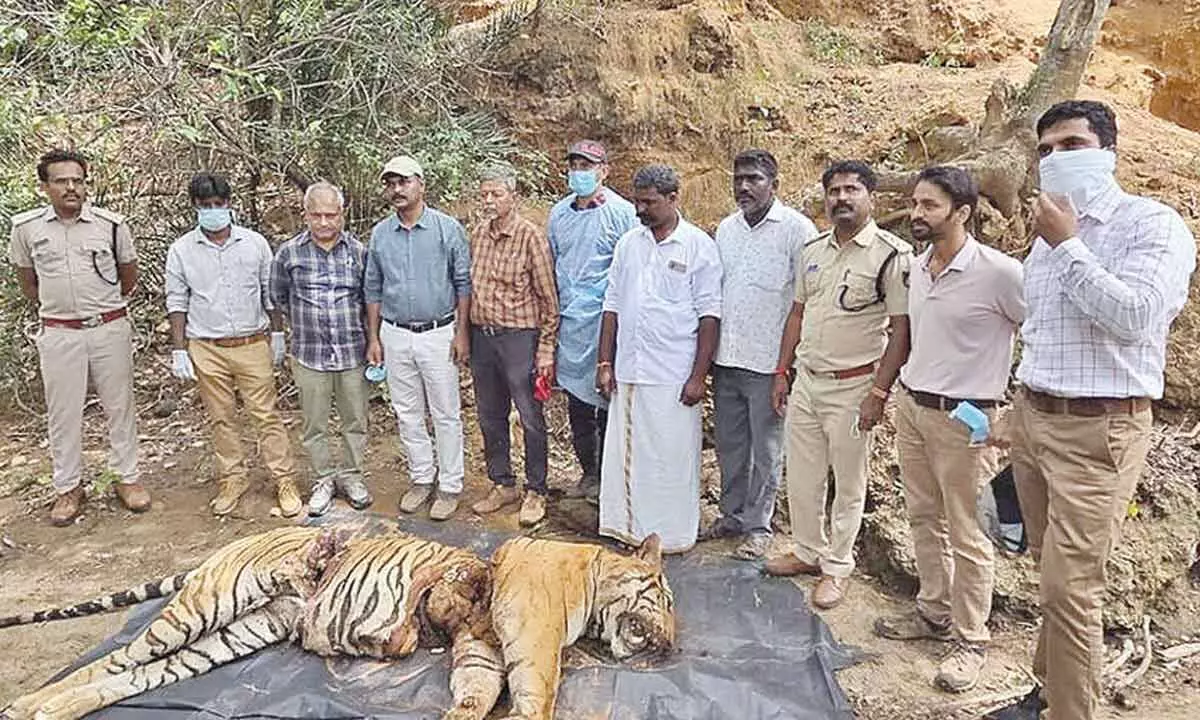
Bengaluru: Followingthe killing of a tiger in the Male Mahadeshwara Wildlife Sanctuary, Forest, Ecology, and Environment Minister Eshwar B. Khandre has directed officials to hold discussions with local residents and submit a detailed report on declaring the area as a tiger reserve.
In an emergency video conference held with forest officials from tiger reserves across the state and those from the Mysuru division, the minister reminded that the State Wildlife Board had already approved the proposal for the tiger reserve. He instructed that a final report be submitted after consultations with local representatives.
Khandre also ordered a complete database to be prepared on the number of cattle and residents living in forest hamlets and directed officials to ensure compensation is promptly provided in case of cattle deaths caused by wildlife.
Expressing concern over recurring incidents of poisoning and poaching near Male Mahadeshwara and Cauvery Wildlife Sanctuary boundaries, the minister instructed authorities to intensify awareness programs among forest dwellers and edge villagers. He emphasized verifying and compensating for any crop loss due to wildlife.
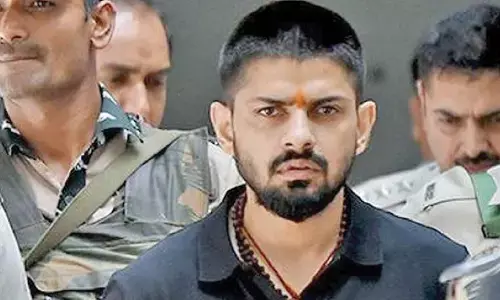
Authorities informed the minister that the suspect in the tiger killing case—where the animal was brutally cut into three parts—has been apprehended, and interrogation is underway. The real motive behind the killing is expected to be revealed soon.
The minister directed officials to intensify patrolling in the MM Hills forest area and warned of disciplinary action against any dereliction of duty. He also instructed swift prosecution of those involved in recent tiger killings to send a strong message against wildlife crimes.
Khandre emphasised ensuring proper payment to outsourced frontline staff and monitoring their patrols through GPS-tagged photo verification using the M-Stripes system. He urged the effective use of modern technology and ordered that anti-poaching camp personnel be provided with essential amenities such as boots, jackets, clean drinking water, and food supplies.
The meeting also reviewed the recent death of an elephant at Gollaradoddi near Channapatna, which died after coming in contact with a live electric wire while attempting to eat coconut husks. Officials reported that, on average, 14 elephants die annually due to electrocution, though this year the number has reduced to seven. Farmers and estate owners have been warned against illegally electrifying fences, and inspections are underway.
The minister further directed electricity supply companies to promptly repair or replace any loose or dangling wires in and around forest areas to prevent further elephant deaths.