




Kolkata’s yellow taxis get a digital ride
In Short
- Yatri Sathi brings cabs online
- Zero commission for drivers
- No surge pricing
- Fares go directly to drivers
- Over 6,000 taxis joined
- Traditional cabs adapt to apps

Share :
Kolkata’s yellow taxis get a digital ride
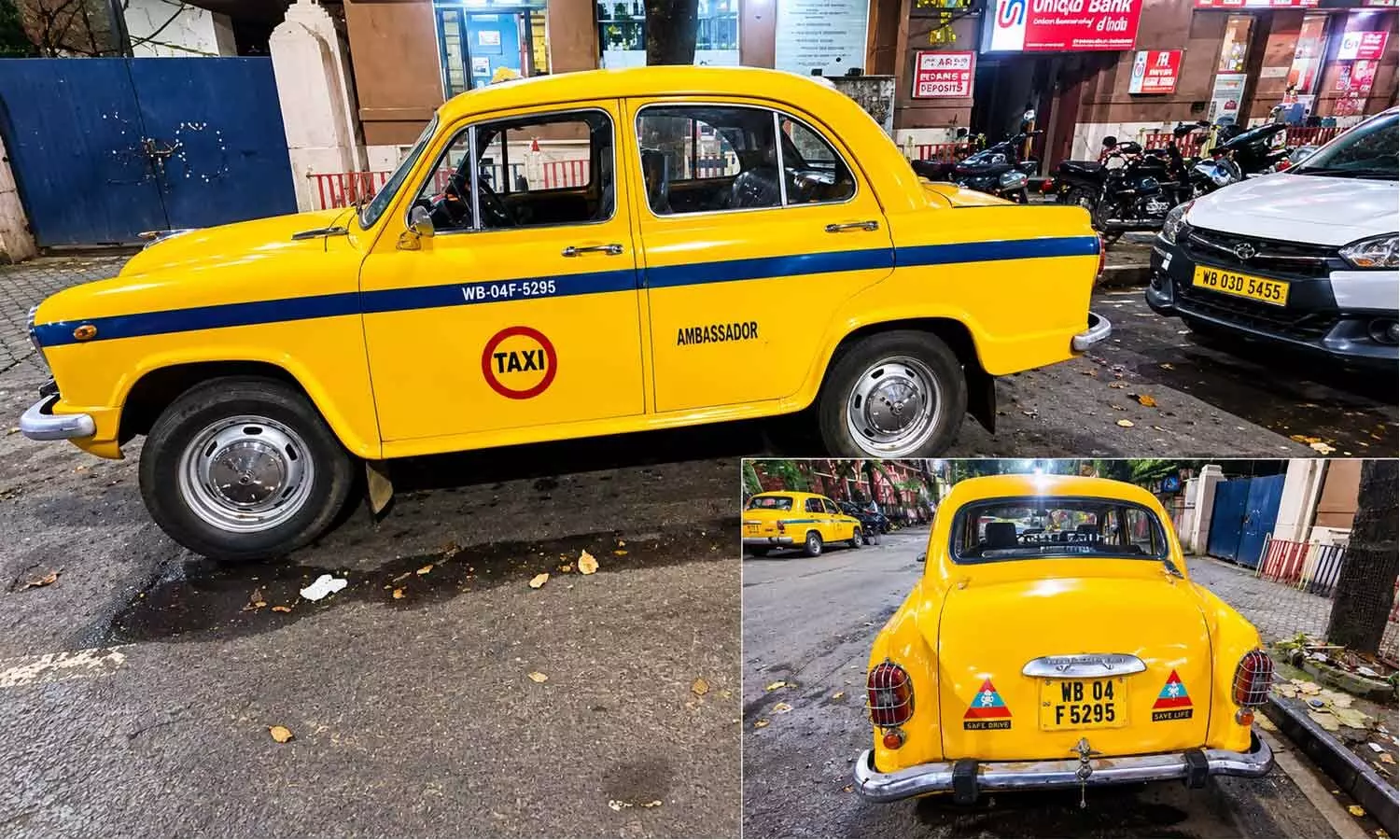
Kolkata: Kolkata’s iconic yellow taxis, once synonymous with the city’s streets, are finding a place in the digital age through Yatri Sathi, the West Bengal government’s ride-booking platform. The initiative has given the city’s traditional taxis a digital booking channel while allowing them to retain their distinctive identity.
For decades, the yellow taxi has been an integral part of Kolkata’s urban landscape. Its bright colour, classic Ambassador design and familiar blue markings have made it one of the most recognisable symbols of the city. Even with the rapid growth of app-based cab services, these traditional taxis continue to operate on Kolkata’s busy roads.
Yatri Sathi was introduced in July 2023 for yellow and other metered taxis, enabling passengers to book cabs through a mobile application. The platform is operated under the West Bengal Department of Information Technology & Electronics and follows a direct-to-driver model.
According to the official platform, Yatri Sathi charges zero commission and does not impose surge pricing. The fare paid by passengers goes directly to the driver. This model has been positioned as a way of bringing traditional taxi operators into the growing digital mobility ecosystem.
The initiative came at a time when Kolkata’s traditional taxi sector was facing increasing competition from app-based cab services.
In October 2023, the West Bengal government said more than 6,000 of around 9,500 operational yellow and blue-white taxis had joined the platform.
The significance of Yatri Sathi goes beyond digital booking. It reflects an attempt to connect Kolkata’s traditional transport culture with changing passenger preferences. Instead of disappearing completely under the pressure of newer mobility services, the iconic yellow taxi has been given an opportunity to participate in the app-based transport system.
Kolkata’s streets also continue to feature another traditional mode of transport — the cycle rickshaw. Moving through narrow lanes and crowded neighbourhoods, these human-powered vehicles remain useful for short-distance travel and local deliveries.
The yellow taxi and cycle rickshaw therefore represent two different aspects of Kolkata’s transport culture. While one is adapting to technology through digital booking, the other continues to depend on human effort and traditional street networks.
Together, they tell the story of a city where modern technology and established traditions continue to coexist. Kolkata’s mobility may be changing rapidly, but its familiar yellow taxis remain an enduring part of the city’s character.
Belt shops big social menace in Old Khammam dist
El Nino ka baap? TG mulls dual power supply to feed data centres, IT cos
Breakfast scheme in govt schools: Quality food should be served to students: CM Revanth
Babus’ backseat driving: Higher edn dept, university leadership on the warpath?
Rahul’s insinuations against TCS are unfortunate
October 2: From commemoration to conviction


