






- India's horticulture output estimated to rise 4.36 pc to record 3,869 lakh tonnes in 2025-26
- Suriya’s Scene Crosses ₹260 Crores Worldwide In Just 10 Days
- INS Sahyadri and Japan's JS Ise participate in maritime exercise
- OpenAI Rolls Out New AI Tools to Detect CSAM on ChatGPT
- Chennai corporation plans upgrade of 753 roads, seeks consultants for quality checks
- 184 women incorrectly declared dead in govt records denied Gruha Lakshmi benefits, claims Karnataka BJP
- JPMorgan Chase Software Bug Disrupts Banking Services Across US
- Gold and Silver rates today, 17 Nov, 2026 in Hyderabad, Visakhapatnam, check gold prices of 18K, 22K, 24K
National Epilepsy Day 2026: What Parents Must Do
In Short
From sudden staring to an unexplained fall to sudden jerking, childhood epilepsy can show up in ways parents may not immediately recognise.

Share :
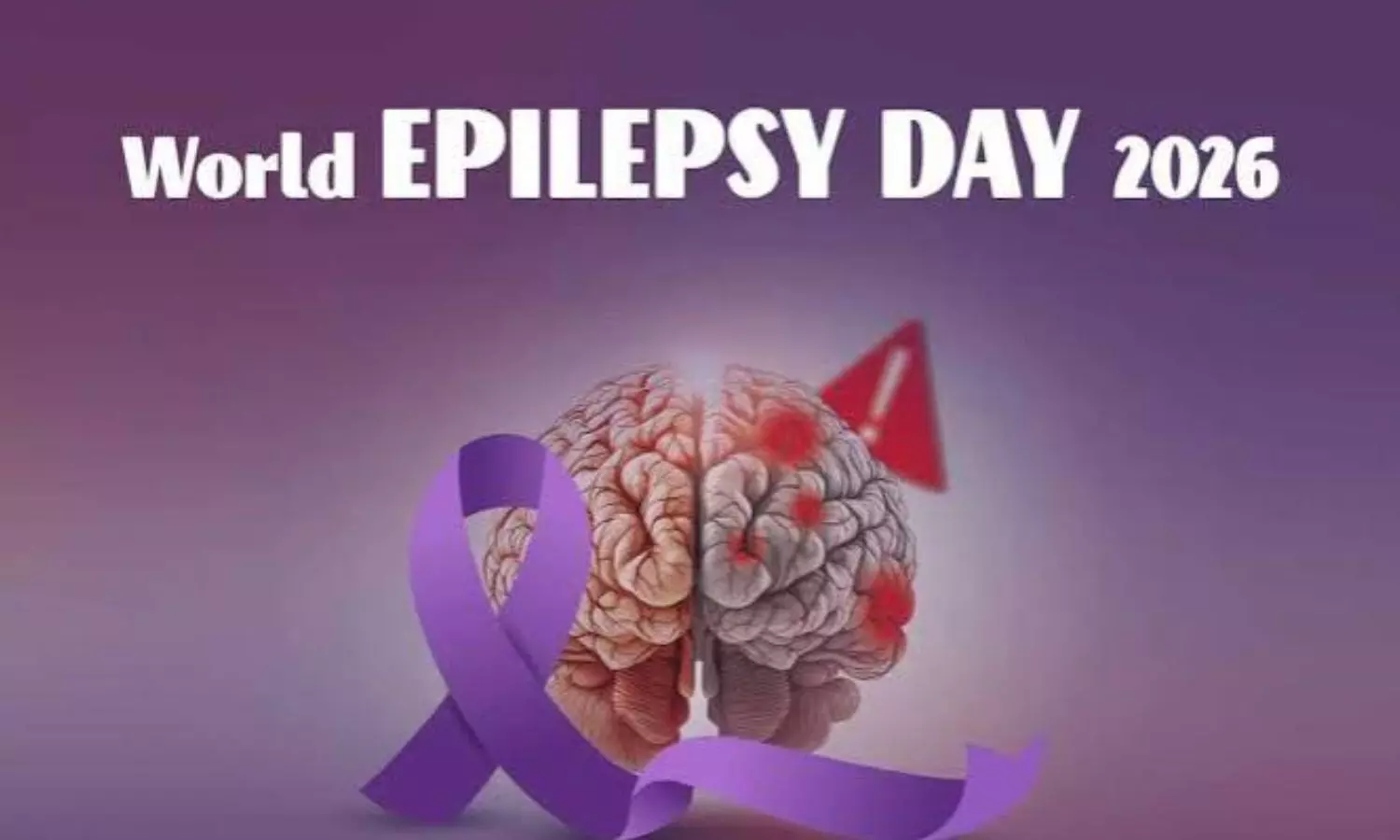
National Epilepsy Day 2026
Childhood epilepsy is not easy to recognise. Sometimes, it is just a child going mum in the middle of a conversation, staring in air or making repeated movements with their lips. Parents might consider this behaviour as a distraction. Some symptoms look like behavioural problems. This is why parents and teachers need to pay attention to changes that seem unusual for a child. But when it happens repeatedly, it is best to visit a doctor.
On National Epilepsy Day, we remind a few warning signs that should not be ignored.
1. The child suddenly stops responding
If a child stops talking stops playing or simply pauses for a while.
2. Fall, jerking or stiffness
Some jerking of the arms, legs or face or sudden stiffness in the body. The child needs attention if these episodes .
3. Unusual feelings or sensations
There are cases where sudden fear feeling sick or a change in taste can happen during seizures. The child may not be able to tell how the child feels.
4. A sudden change in school performance
If a child starts to have trouble focusing, if a child forgets what parents or teachers say several times or if a child suddenly does worse in school and get less marks. Parents should first find out the causes instead of justblaming a child for poor attention or poor discipline.
What parents must do?
A seizure that lasts five minutes or more requires emergency attention. Help is also needed if seizures happen more, than once and the child does not become fully alert again. If the child is having trouble breathing that is another reason to get help.
Move any objects that could block the way. Use your hands to protect the childs head. If you can gently put the child on their side. Do not try to hold the child down or stop their movements. Do not put anything into the childs mouth.
Doctors might suggest an EEG or an MRI scan or even a video-EEG to look into epilepsy. The usual first step, in treatment is -seizure medication. Depending on how the child responds experts might think about options. These could include a monitored ketogenic diet, surgery or vagus nerve stimulation.

National Epilepsy Day 2026: What Parents Must Do
Pilot’s quick action averts scare as IndiGo flight aborts take-off at Mangaluru airport
PM Modi, Thailand counterpart Charnvirakul discuss cooperation in various sectors
CM Himanta Sarma highlights Bhupen Hazarika’s global legacy ahead of birth centenary celebrations
Cyclone Akvan poses fresh threat to Andhra Pradesh
CM Naidu puts admin on high alert
Meet the man who turned down Rs 72L job to set up startup in Tirupati
Samrat Choudhary launches sugarcane development chariots to promote modern farming, govt schemes
Bengal CM Adhikari urges youth to counter 'divisive forces' on streets and social media platforms
PM Modi calls for free, open Indo-Pacific region at ASEAN Summit


