




- UP CM Yogi Adityanath accuses Cong, SP of 'opposing' education, promoting nepotism
- Pitroda wishes PM Modi good health, says completing 25 years is ‘accomplishment in its own way’ (IANS Exclusive)
- CM Adhikari credits BSF-police coordination for curbing border crimes in Bengal
- SC seeks ECI response on Rahul Gandhi’s plea against SIR, flags conduct of one petitioner
- India’s ethanol supplies reach 987 crore litres by Sep end: Report
- BJP to finalise Bengal civic poll candidates by Diwali; adopts multi-tier screening, eyes professionals
- India’s pharmaceutical market posts strongest monthly growth in three years
- Reliance Digital’s #PROHappy campaign cuts iPhone 17 Pro price to Rs 56,990
What clean hands really mean: The importance of everyday hand hygiene
In Short
We pay attention to what we eat, the products we use on our skin and the things we bring into our homes. We wash fruits, choose nutritious foods and read ingredient labels. Yet one everyday habit often receives less attention than it deserves: keeping our hands clean.

Share :
We pay attention to what we eat
We pay attention to what we eat, the products we use on our skin and the things we bring into our homes. We wash fruits, choose nutritious foods and read ingredient labels. Yet one everyday habit often receives less attention than it deserves: keeping our hands clean.
Raviraja U.B., Senior Research Scientist, Personal Care R&D, Himalaya Wellness, shares why proper handwashing matters and how small changes to daily routines can support better hygiene.
Think about the surfaces our hands touch before lunch: mobile phones, lift buttons, keyboards, door handles, cash and delivery packages. Those same hands may later handle food, apply lip balm or touch our faces. Since hands frequently come into contact with shared surfaces and our bodies, they can become a route for transferring germs. Hands do not have to look dirty to require washing. Microorganisms are often invisible, and contamination may not cause any visible change or unpleasant smell. Rinsing with water alone may not remove dirt, oils and germs as effectively as washing thoroughly with soap or liquid hand wash and clean running water.
The right way to wash hands
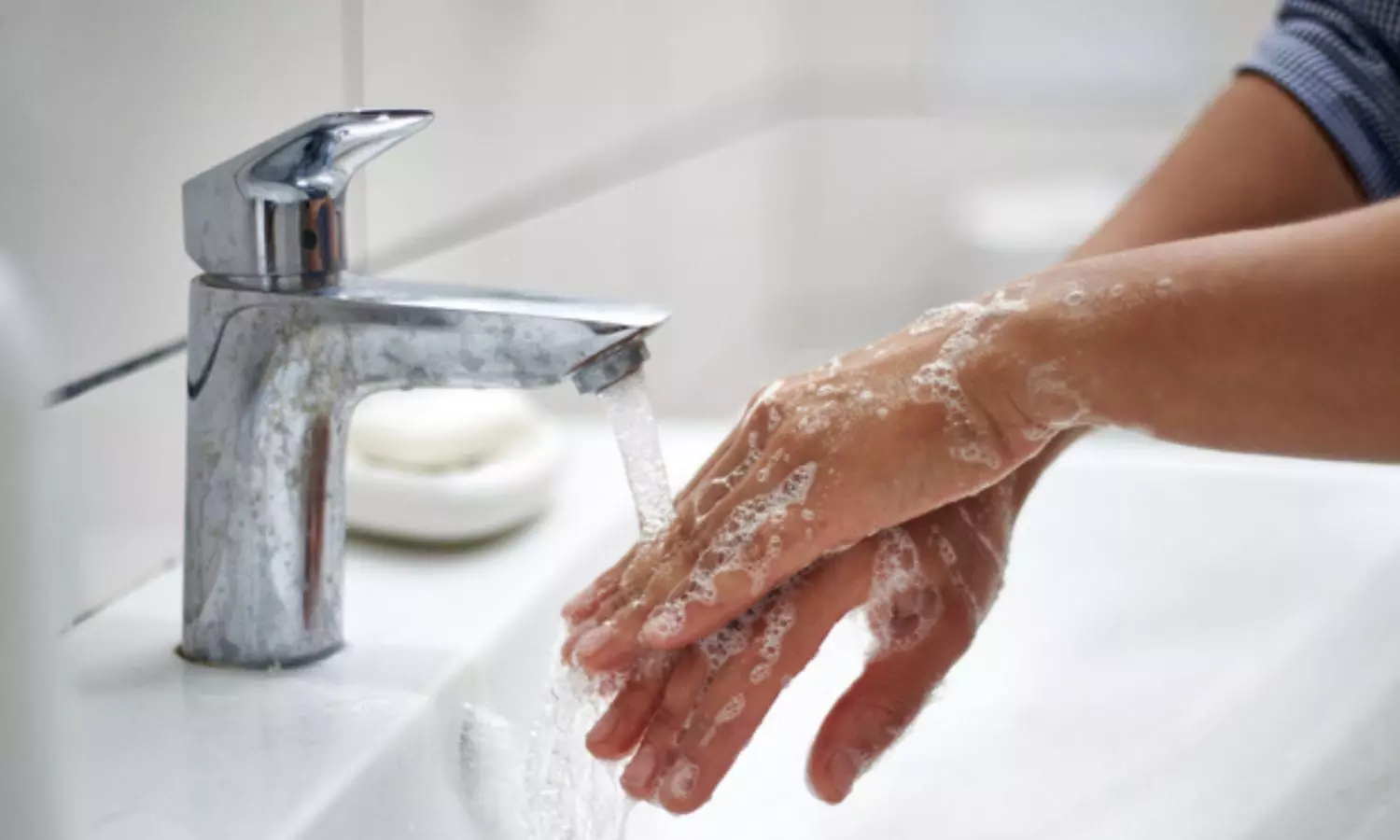
Effective handwashing depends on both the cleansing product and the technique used. Wet your hands, apply soap or liquid hand wash, and rub your palms, the backs of your hands, between your fingers, your thumbs, fingertips and areas around your nails. Continue for at least 20 seconds before rinsing thoroughly and drying with a clean towel.
These areas are often missed when handwashing is rushed. Taking time to clean the entire hand helps remove dirt and germs more effectively. Timing is equally important. Wash your hands before preparing or eating food, after using the toilet, after coughing or sneezing, after handling waste and whenever they are visibly dirty. Handwashing after returning from public places can also be useful, particularly when you have touched frequently shared surfaces.
Balancing cleansing and skin comfort
Because handwashing is repeated throughout the day, the choice of cleansing product can affect how comfortable the skin feels. Frequent washing, particularly with harsh products, may contribute to dryness or irritation. A suitable cleanser should remove everyday impurities without leaving the skin feeling excessively dry.
Ingredients such as glycerine are commonly used in skincare formulations to help retain moisture, while aloe vera is included in some products for its moisturising and soothing properties. The overall formulation, however, determines how a product performs, and individual skin responses can vary. Using a moisturiser when needed can also help maintain skin comfort, especially for people who wash their hands frequently or experience dryness.
Making hygiene a daily habit
Good hand hygiene is not about washing constantly or using the strongest available product. It is about washing thoroughly at the moments that matter and making the practice part of everyday life. Simple habits can help reduce the spread of germs in homes, schools, workplaces and shared public spaces. Clean hands also support safer food handling and help protect people around us. We often associate good health with major lifestyle changes, but everyday practices matter too. Taking a few extra seconds to wash our hands properly is a simple step that can contribute to personal hygiene and help reduce the risk of illness.
Youth movement against addiction gains momentum during Bageshwar Dham Rath Yatra in MP's Chhatarpur
Karnataka sting operation row escalates as Priyank Kharge, Kumaraswamy exchange barbs
'Oppn leaders, students detained only to protect one man, Gyanesh Kumar': CJP's Dipke
Manipur BJP MLA urges Cong MP Akoijam to seek legal recourse over sexual harassment allegations
CM Chandrababu praises President as role model, seeks to make SARAS mela a permanent fixture
MP cabinet approves Jabalpur-Bhopal-Indore industrial corridor


