




- Kurnool karate grading event held
- Pejawar Math seers offer special prayers at Srisailam temple
- Rs 1L auto-rickshaw presented free of cost to Kurugunta orphanage
- 28 prominent destinations highlighted as Nandyal marks tourism day
- 19-month-old boy’s critical illness exposes Devanakonda sanitation crisis
- Prabhanjan-2026 concludes at Narayana Engg College
- Our aims is to transform Nellore as green city by 2028: Narayana
- YSRCP discusses strategy for upcoming local body elections
World Rabies Day: Know About This Disease
In Short
The World Rabies Day is held on 28th September annually as tribute to the contributions made by Louis Pasteur in creating the first rabies vaccine.

Share :
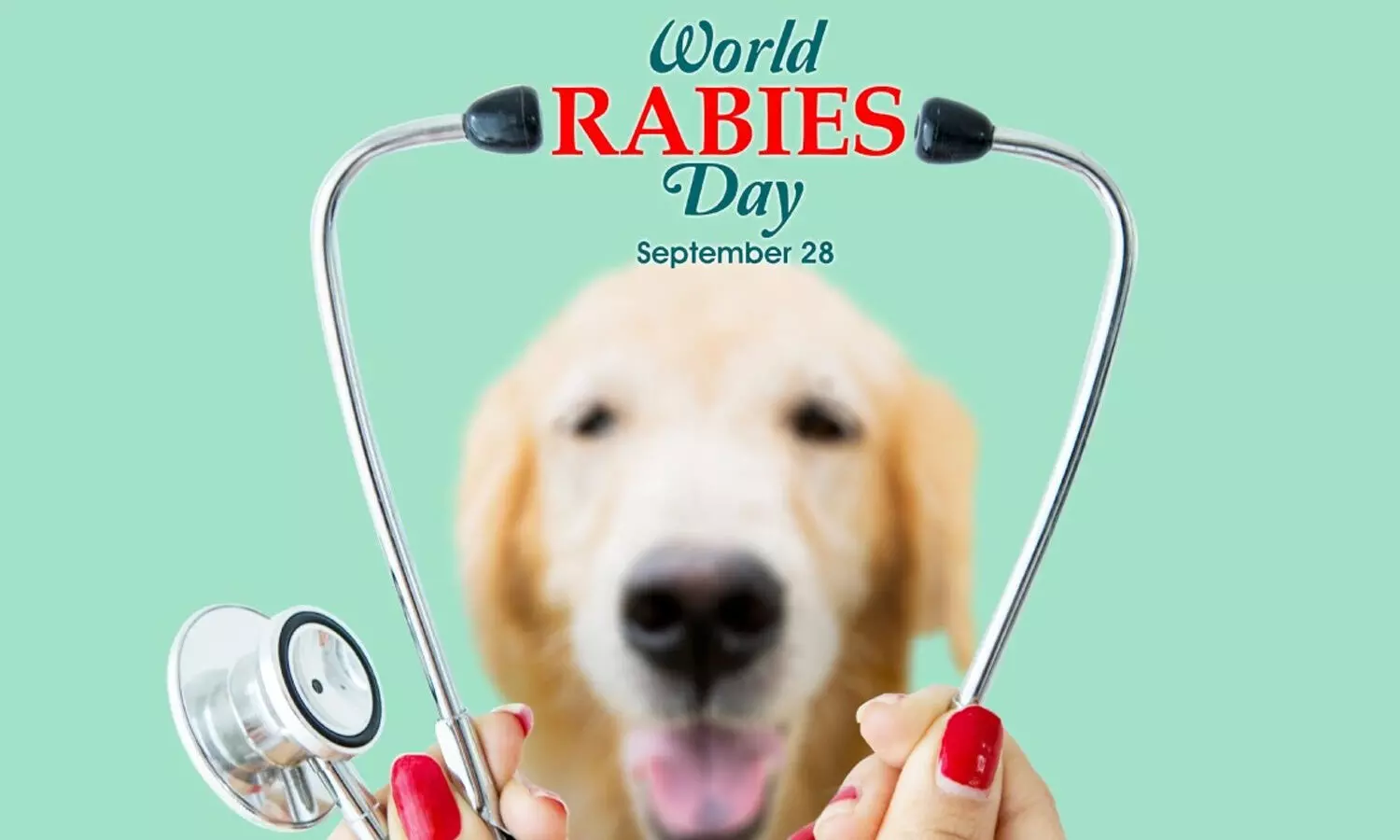
World Rabies Day: Know About This Disease
On World Rabies Day, which falls on 28 September, health authorities and organisations across the world educate the public about the causes, signs, and prevention of rabies. In addition, on this day, schools conduct rabies education programmes to increase understanding of the disease and promote prevention measures. According to various sources, about 59,000 people die due to rabies infection every year, mostly in Asian and African continents.
The World Rabies Day is held on 28th September annually as tribute to the contributions made by Louis Pasteur in creating the first rabies vaccine. The occasion highlights the end of such dangerous treatments that are done locally against rabies infection, for example, beating of the dog bite wound by slipper. Furthermore, the World Rabies Day intends to create awareness about rabies, a life-threatening viral disease caused by Lyssavirus.
Louis Pasteur was born on 27 December 1822 in Dole, France. This Noble Prize winner in the field of chemistry and biology identified microorganisms responsible for causing many diseases and developed vaccines against the diseases. His father was a leather businessman and painter. Some of his paintings are kept at the Pasteur Museum, even those of his kids.
Louis Pasteur died on 28 September 1895 and was buried in the crypt of the Pasteur Institute in Paris. Only a few French people have the privilege of being laid to rest in the same place.
Animal Bites
Rabies is a viral infection that can be transmitted from an animal to a human through a bite wound. Additionally, it can also be contracted if an infected animal’s saliva gets into the body through broken skin. For instance, the disease can be transmitted from pets such as dogs, cats, and rodents. However, a dog’s bite causes up to 99% of rabies infections.
Furthermore, the virus that causes rabies has the ability to enter the central nervous system via nerves at the spot of the dog bite. Additionally, while the chances of infection from animals that have been vaccinated are minimal, it is still possible. Therefore, a bite from a dog or any other animal requires one to visit a doctor irrespective of vaccination.
Rabies is almost always lethal once the symptoms begin to manifest. Also, the symptoms may arise days or even years after the infection has taken place. A person that is infected will suffer from aggression, excessive salivation, and difficulty in swallowing. Furthermore, the person may also develop hydrophobia which is fear of water.
After Animal Bite
When one is bitten by an animal, the wound should be washed thoroughly for not less than 15 minutes using soap and running water. In addition, antiseptic solution such as povidone-iodine should be applied to the bite before the individual visits the hospital. A medical practitioner determines whether the individual requires post exposure prophylaxis against rabies. Prophylaxis entails the administration of rabies immunoglobulin and rabies vaccine. In addition, tetanus toxoid and other antibiotics might be administered during the process.
One who has suffered from the bite should not use acid or any other substance on the wound and should not have it exposed to any dirty hands or delay going for the treatment. A healthcare provider will also determine if the wound needs to be stitched or not depending on its gravity.
In certain circumstances, pre-exposure prophylaxis against rabies might be suggested by the healthcare provider to individuals at high risk. Whether the injection will be provided depends on the type of exposure, the species of the animal, and the immunization status of the patient.
Break-ups, disharmony & conflicts among families on rise
Trapped In 22-A Issues… Govt neglecting farmers' issues
TG govt out to clear long-pending ULC applications soon
Students in dilemma as govt drags its feet: Studies over, thousands await certificates that hinge on fee dues
The mess around the poll panel is govt’s own making
A great personality committed to nation-building


