






- SP encourages students to focus on studies, maintain discipline and aim high
- Dedicated sanitation efforts earn Atmakur hospital state-level recognition
- Libraries are true treasure of knowledge: Waqf Board chief
- Prevent public hardships and protect public property: MLA
- Childrens’ Green Festival celebrated
- Police conduct flag march in Nunna ahead of panchayat polls
- Rare bilateral nerve surgery saves12-year-old
- New FFS system from Nov 16 in NTR district
Residents urged to wear masks in crowded places
In Short
Dr Sridhar Srinivasan, Consultant in Internal Medicine at Vasavi Hospitals, said wearing masks in crowded and poorly ventilated places could provide an additional layer of protection against respiratory infections.

Share :
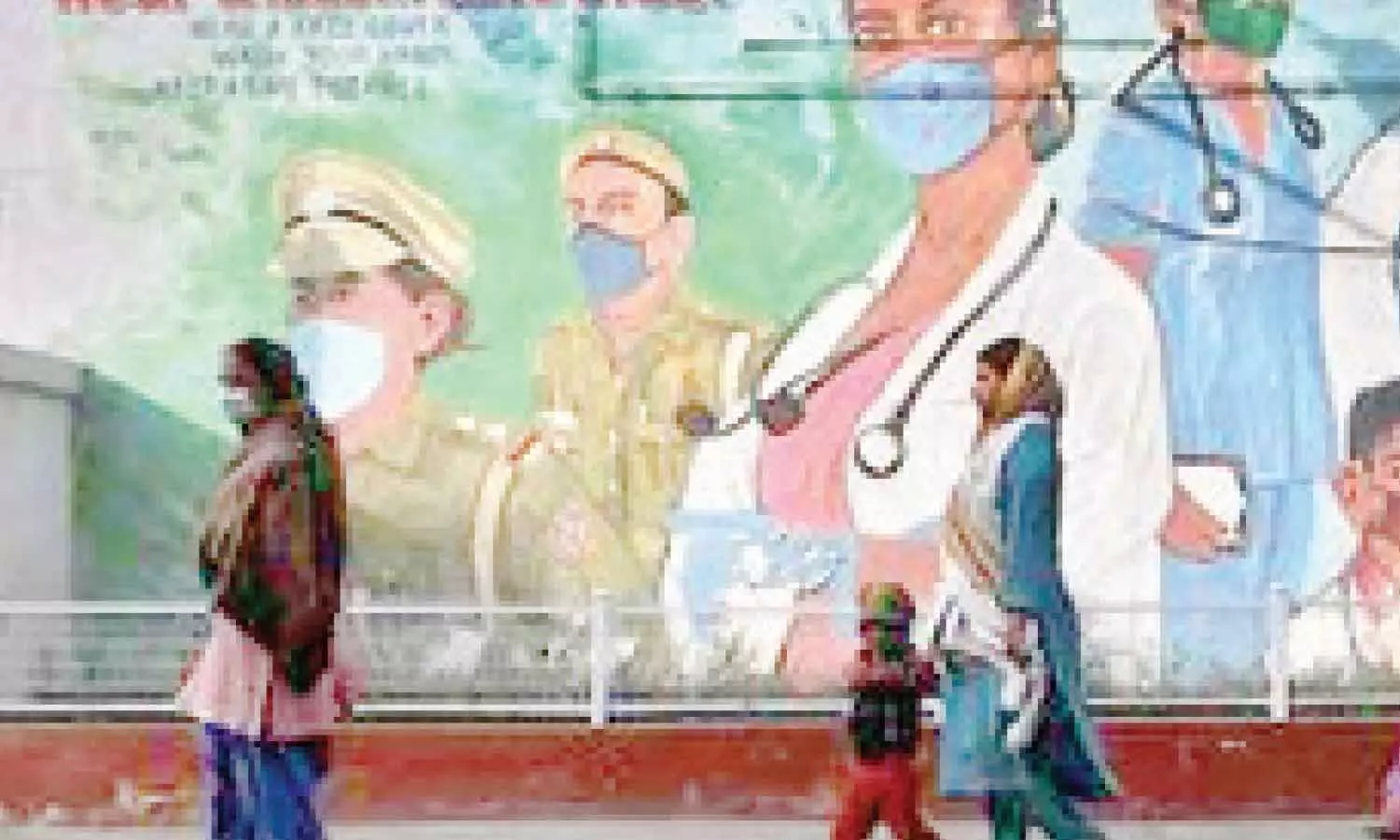
Residents urged to wear masks in crowded places
Bengaluru: With influenza and other respiratory infections, including viral fever, coughs and colds, continuing to circulate, doctors have advised people to wear masks in crowded public places to reduce the risk of infection.
Dr Sridhar Srinivasan, Consultant in Internal Medicine at Vasavi Hospitals, said wearing masks in crowded and poorly ventilated places could provide an additional layer of protection against respiratory infections.
Respiratory viruses spread through droplets and airborne particles released when an infected person coughs, sneezes, talks or breathes. The risk of transmission increases when people spend extended periods in crowded or enclosed spaces, he said. Public transport, busy markets, shopping malls, schools, offices, restaurants and hospitals are among the places where people are exposed to a higher risk of respiratory infections. Although masks cannot provide complete protection, their proper and consistent use can reduce exposure to infectious particles, Dr Srinivasan said. He particularly advised people experiencing symptoms such as fever, cough, sore throat, runny nose, body ache and fatigue to wear masks when interacting with others. This was especially important when they were around elderly people, children and those with underlying health conditions. People vulnerable to complications from respiratory infections should also take additional precautions in crowded settings. Emphasising the importance of proper mask usage, he said masks should cover both the nose and mouth, fit snugly and be replaced if they become wet, dirty or damaged. People should also avoid touching them frequently and maintain hand hygiene while wearing or removing them. Doctors have also recommended regular handwashing, adequate ventilation, maintaining distance from others when unwell and staying home when experiencing significant symptoms. While most viral respiratory infections subside with rest, fluids and basic care, difficulty in breathing, chest pain, persistent high fever, severe weakness, confusion and dehydration require prompt medical attention.
AP sets up special panels to combat human trafficking
AP Municipal Polls: Nominations open for 25 ULBs amid tight security
Cyclone ‘Akvan’ likely to hit AP coast on Nov 18
Special Security Scheme launched for gig workers
India no longer a democracy: Rahul Gandhi
Political change certain in India under Rahul’s leadership: CM Revanth Reddy


