






- Cabinet nod for Rs 31,387-cr AI data centre in Vizag district
- Farmers can now schedule paddy sales through APAIMS farmer app
- Parties rein in cadre as Pawan announces separation from wife
- Cyclones ravage crops in 4.61 lakh hectares
- Power restoration work reviewed
- Parties prepare for polls to MPP, ZP posts on Nov 19, 20
- Training on medico legal cases underway
- GMC launches plantation drive
Govt rolls up sleeves for TG’s fair share of Krishna waters
In Short
To make strong arguments in Supreme Court

Share :
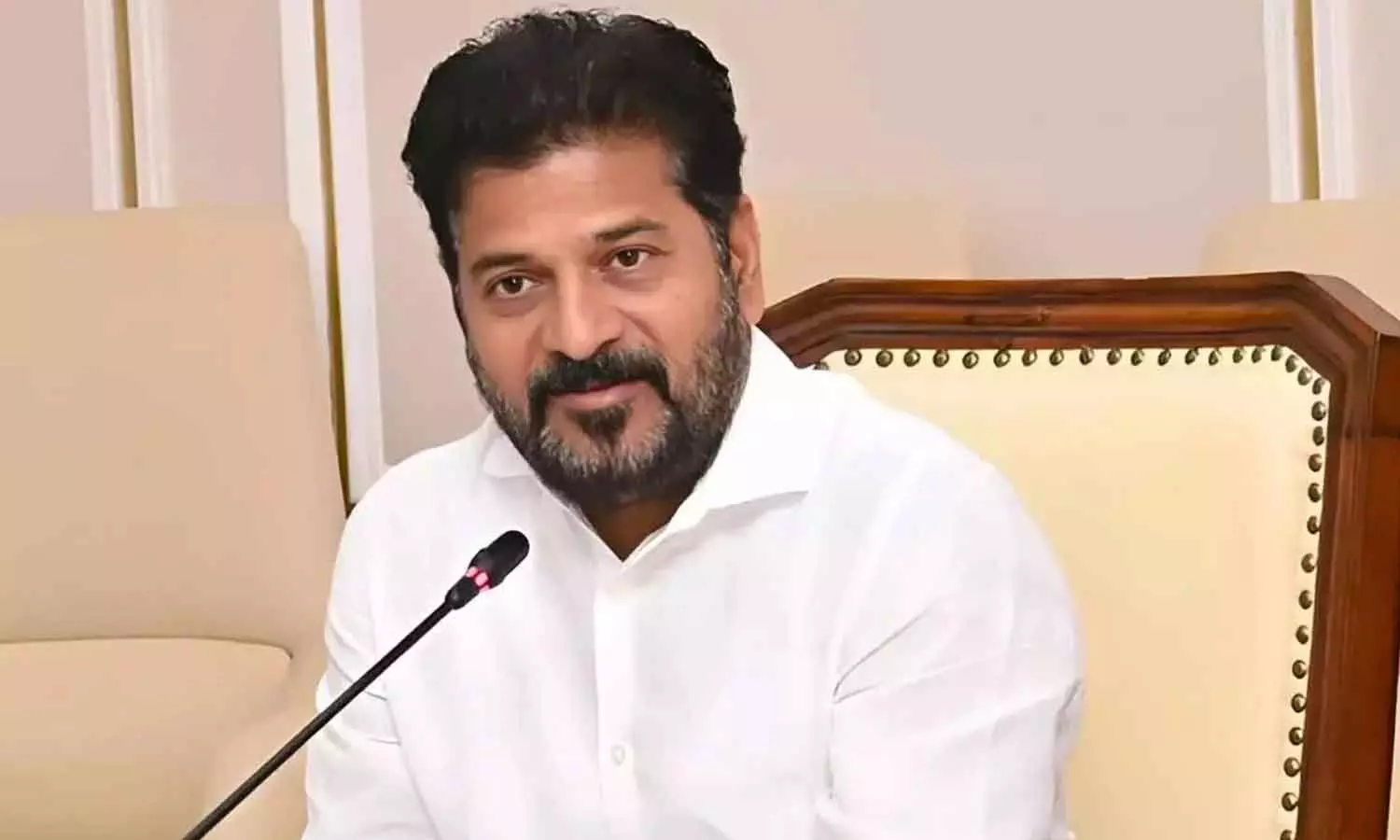
TG Chief Minister A Revanth Reddy
Hyderabad: Chief Minister A Revanth Reddy ordered the top officials of the Irrigation department to make arrangements for strong arguments in the Supreme Court to ensure Telangana receives its rightful share of river Krishna waters.
The Officials were instructed to compile all the data and submit necessary evidence regarding the ongoing dispute with Andhra Pradesh on Krishna water sharing.
Ahead of the hearing of the water dispute case in the apex court after November 18, the Chief Minister held a meeting with legal experts alongside a review of the Irrigation department at the Bodhi Pavilion in the MCR HRD Institute on Tuesday.
The Chief Minister enquired the officials about the progress of the Dindi and Achampet lift schemes and instructed them to expedite the works. As previously decided, the CM stressed that water must be supplied to the Dindi and Achampet projects from the Yedula reservoir. 0.6 TMC of water required for these two schemes would be lifted from Narlapur to Yedula without any obstacles.
The officials were also instructed to identify the locations for the construction of tunnels and canals and prepare a detailed project report (DPR) to commence work accordingly.
The CM warned officials against making hasty decisions on the works of creating additional TMC capacity for the Kaleshwaram project.
He told the officials to remain vigilant to ensure that the mistakes made by the previous government are not repeated.
The officials informed the Chief Minister of the challenges of lifting available 2 TMC of water. Revanth emphasised the need for a responsible approach towards taking up the works of additional TMC.
He further directed that the status of cases pending in the Supreme Court be reviewed before proceeding with land acquisition, secure all necessary clearances from the Central Water Commission (CWC) and prepare a comprehensive detailed project report (DPR).
Don’t exploit your position for personal gain: CM Revanth to police
Global Summit 2026: Transport Minister to meet EV makers today
Govt rolls up sleeves for TG’s fair share of Krishna waters
Onus on govt and people for a pollution-free Diwali
Cultivating resilience: Why crop diversification is Telangana’s only scientifically sound climate adaptation
We need to deal with natural calamities more effectively


