




- Free and fair elections form our constitution’s basic tenet
- EC rejects 2.55 lakh Form 6 voter applications out of 10.93L received
- Govt orders scientific surveys to resolve pending revenue, forest land disputes
- Town Planning tops public grievances at CMC Prajavani
- Hyderabad: Move to cap rice prices fails to cut ice with traders in city
- Civil Supplies department cracks down on illegal rice trade; registers 11 FIRs
- Mahesh Goud rubbishes Shah’s RR Tax allegations
- Civil Supplies dept conducts surprise raids on illegal rice traders in Hyderabad, RR
Telangana High Court hears HCA appeals over governance, Lodha panel reforms
In Short
Senior counsel P Sri Raghu Ram, appearing for Khalsa Cricket Club, Jubilee Hills, sought leave to appeal against the single judge order.

Share :
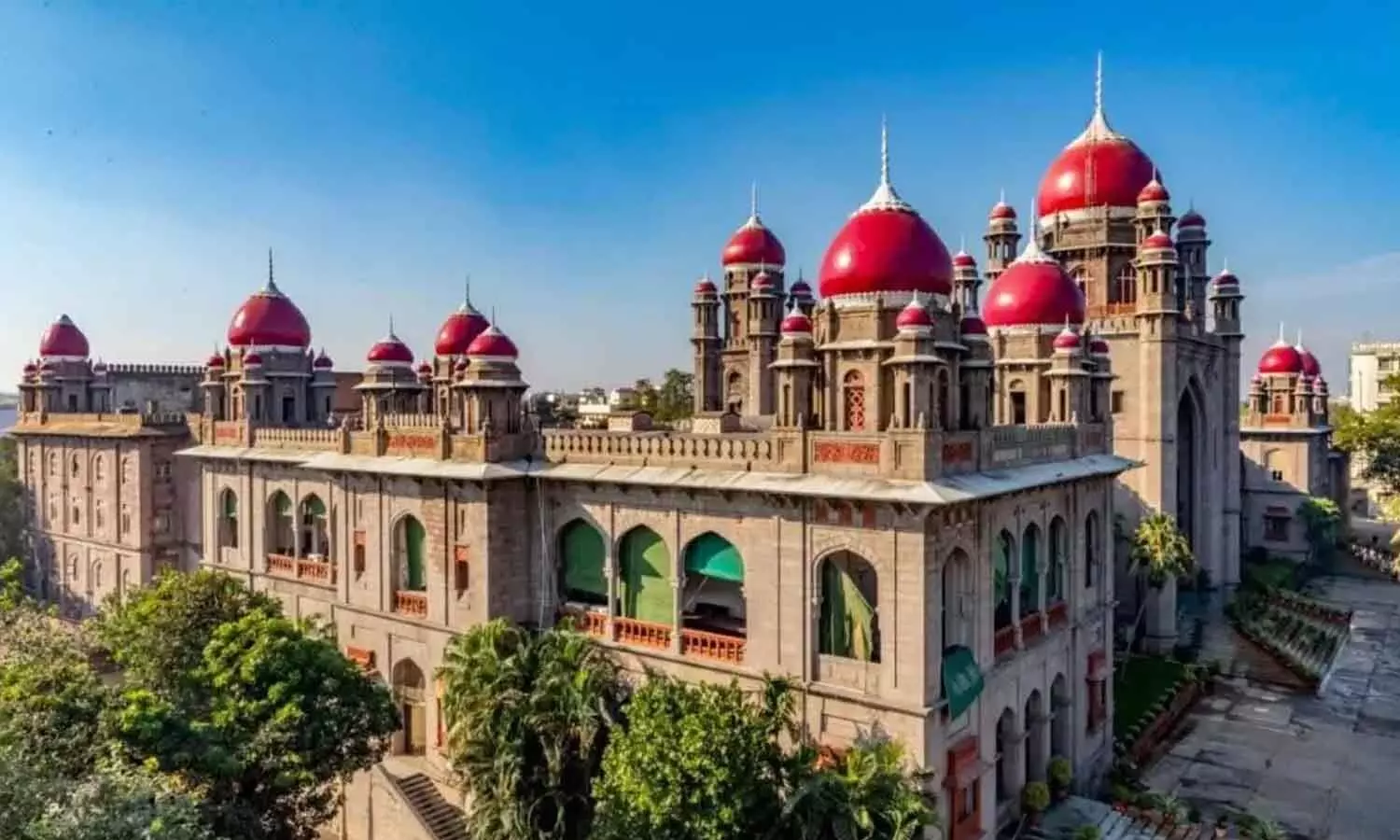
Telangana High Court
Hyderabad: The Telangana High Court on Monday heard arguments on leave applications in a batch of writ appeals against a single judge’s order on the administration of the Hyderabad Cricket Association (HCA). The division bench of Acting Chief Justice Sam Koshy and Justice Suddala Chalapati Rao heard the case, which includes six writ appeals and a PIL.
The petitions allege financial irregularities and mismanagement in the HCA. They also say the association failed to implement the Justice Lodha Committee recommendations, which the Supreme Court approved in the BCCI reforms case. The petitioners want an elected managing body, an independent auditor and an inquiry into claims that clubs were bought to influence the HCA elections. They sought an investigation by agencies, such as the CBI or the Serious Fraud Investigation Office (SFIO).
Senior counsel P Sri Raghu Ram, appearing for Khalsa Cricket Club, Jubilee Hills, sought leave to appeal against the single judge order. He said the club, as an HCA member, was directly affected by the directions. The judgment placed the association’s entire administration under a single-member committee, headed by retired Justice Naveen Rao.
Ram said the original writ was filed by a member who alleged irregularities by the HCA president and secretary. The single judge, he argued, went beyond the reliefs sought and effectively displaced the elected administration.
He said the club had a genuine grievance because its representatives were stopped from convening a special general body meeting, meant to discuss bylaw amendments and other issues. He pointed to a resolution reportedly backed by five of the seven apex council members, which alleged the secretary was acting against the association’s interests.
Seeking to distinguish the SC ruling in Daman Singh Vs Punjab, he argued that it does not bar an individual member from challenging a judgment that directly affects his rights. The club, he said, was not representing the association’s collective interests; it was asserting its own rights as a member.
He added that the judgment affected the members’ right to form and run an association under Article 19(1)(c). Relying on the SC decision on Rajesh Malhotra, he argued that any person aggrieved by a judicial order may seek leave to appeal. Senior Counsel Avinash Desai, appearing for the BCCI, questioned how the association was being represented in the appeals. He said the HCA secretary had filed a counter- affidavit backing the single judge’s directions, despite objections from several apex council members.
Hyderabad: Water wastage could burn a hole in citizens’ pockets
INDIA bloc against SIR to protect infiltrators: Amit Shah
Orange alert in 3 districts
Telangana Government releases Rs 125 cr for HMRL
TN govt disburses Rs 167.12 cr Deepavali bonus to over 1.06 lakh transport employees
AP Energy Department Goes on High Alert to Ensure Safety


