




- Ex cop ABV to contest for Vijayawada Mayor with Left support
- NDA seat-sharing sparks rebellion as TDP, JSP clash over poll tickets
- TDP names Guntur and Ongole candidates in 3rd list
- Local Body Polls: TDP, Jana Sena announce candidates as contest gathers pace
- MP CM attends Vijayawada Utsav, offers prayers at Kanaka Durga temple
- Punjab: Akali Dal to announce election manifesto on Nov 1
- iPhone 17 at Rs 54,000? Here’s How the Deal Works
- Haryana LoP slams state govt over rising debt, unemployment
Internet fundamental right for children: SC
In Short
Says no to age-related ban; suggests ‘child mode’ for social media accounts

Share :
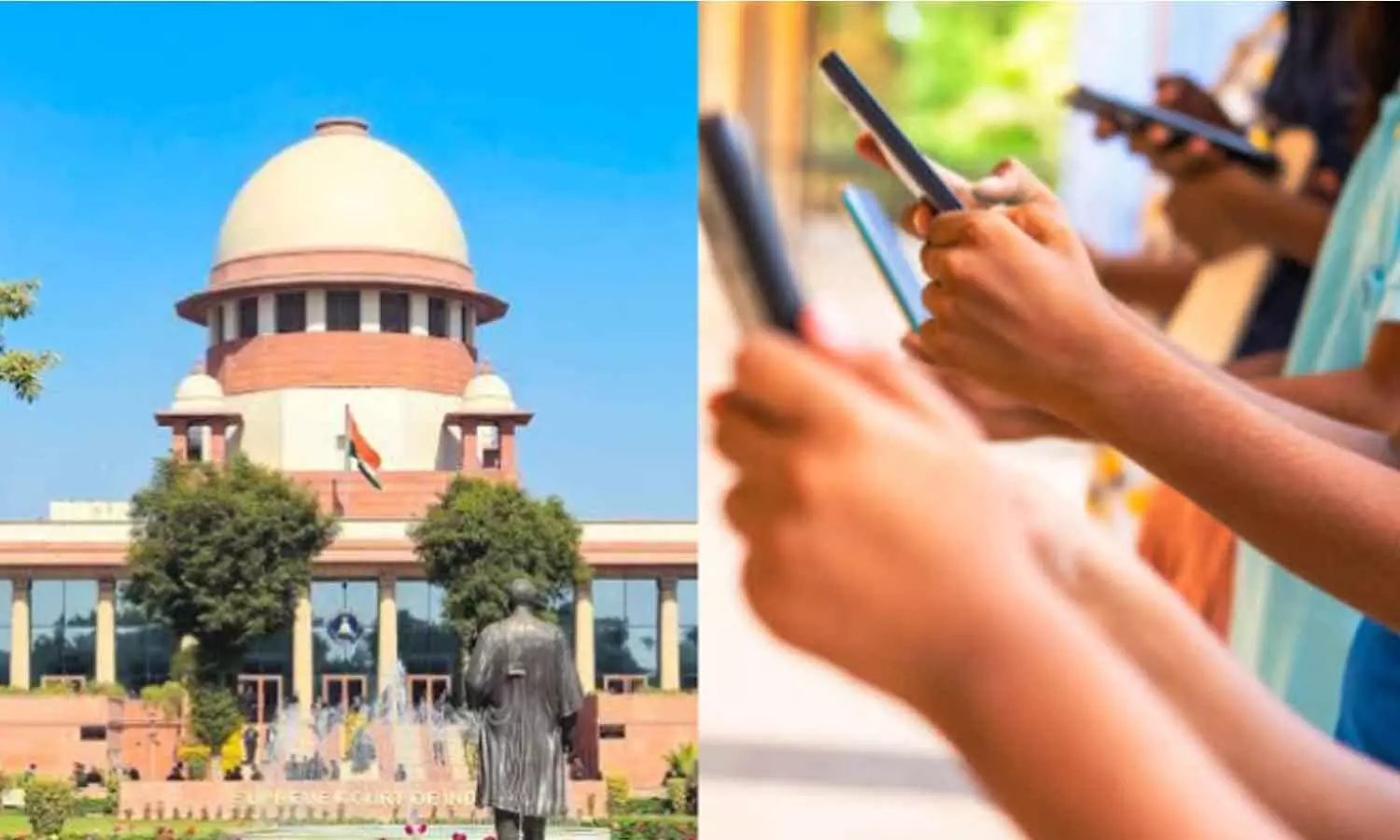
Internet fundamental right for children
New Delhi: The Supreme Court has recognised access to the internet as a fundamental right even for children and has refused an age-related ban on internet use. "We have no hesitation in saying that the right to access and use the internet is a fundamental right of every individual under Article 21 read with Article 19(1)(a) of the Constitution," the court observed on Friday.
"Our children, irrespective of their age, enjoy the same rights, and to deny the same altogether would be as absurd as saying children below a certain age do not have a conscience worth protecting or a freedom of speech worth expressing," the court added.
Justices J B Pardiwala and K V Chandran made the observation on October 15 while hearing applications filed by the child rights NGO 'Just Rights for Children Alliance' and another applicant alleging that social media platforms were failing to meet their legal obligations to report child sexual exploitation and abuse material (CSEAM) to Indian authorities. "The safety of our children and their freedom are not at odds with each other. Our children are entitled to both," the bench stated.
Refusing to order a blanket age-related ban, the court called for stricter parental controls, removal of sex abuse material and child mode controls on social media platforms. Observing that children do not cease to use the internet merely because the law prohibits them from doing so, the top court proposed a strict framework to protect children from online child sexual abuse material (CSAM).
The court also called out authorities and social media intermediaries for "lack of earnest initiative to protect the victims" and flagged repeated circulation of child abuse material despite clear guidelines. "We are deeply saddened to note that the news reports placed before us by the applicants flagging alleged incidents of paid promotions of CSEAM on social media platforms through redirect links and websites is only one rare instance of such harmful activities being discovered and brought to light," the court noted.
"There comes a time when we must ask ourselves, how many more victims of such harmful content must continue to suffer, before our conscience is stirred into making collective effort in the right direction," it added.
The applicants sought uniform reporting procedures, a centralised portal and action against non-compliant intermediaries. The court addressed these concerns and directed the Centre to create a national database of digital identifiers and URLs linked to confirmed abusive material to facilitate its detection and removal.
Naidu sets higher vote-share target
Negligence During Municipal Polls: SEC warns officials of suspension, transfers
Tensions rise amid TDP-YSRCP showdown in AP local polls
K’taka sugarcane protest: Shivakumar meets farmers, to convene meeting with stakeholders
Uttarakhand declares public holiday on Maha Navami; CM Dhami extends greetings
Delhi Speaker inaugurates three civic projects in Rohini


