




- ‘Embarrassment To India’: Abhijeet Dipke Slams PM Modi After Release From Detention
- 12 Killed, 309 Injured In Houthi Attack On Riyadh Airport; Trump Weighs US Response
- PM Modi's Chennai visit: Traffic diversion for commercial, heavy vehicles today
- Devotees throng temples across country on first day of Shardiya Navratri
- Telangana state varsities-Give a humane touch to contract faculty regularisation
- Pochampally Ikat: Where threads become geometry
- Indrakeeladri decked up for Dasara festivities
- Green Card crackdown major setback for Indian IT giants
No End to Dharna Drama: INDIA Bloc Plans Massive Protest on Monday; MPs to Meet CJI
In Short
INDIA bloc MPs plan a massive protest in Delhi on Monday and seek a meeting with the CJI amid Supreme Court hearings over alleged illegal detentions and security restrictions.

Share :
No End to Dharna Drama: INDIA Bloc Plans Massive Protest on Monday; MPs to Meet CJI
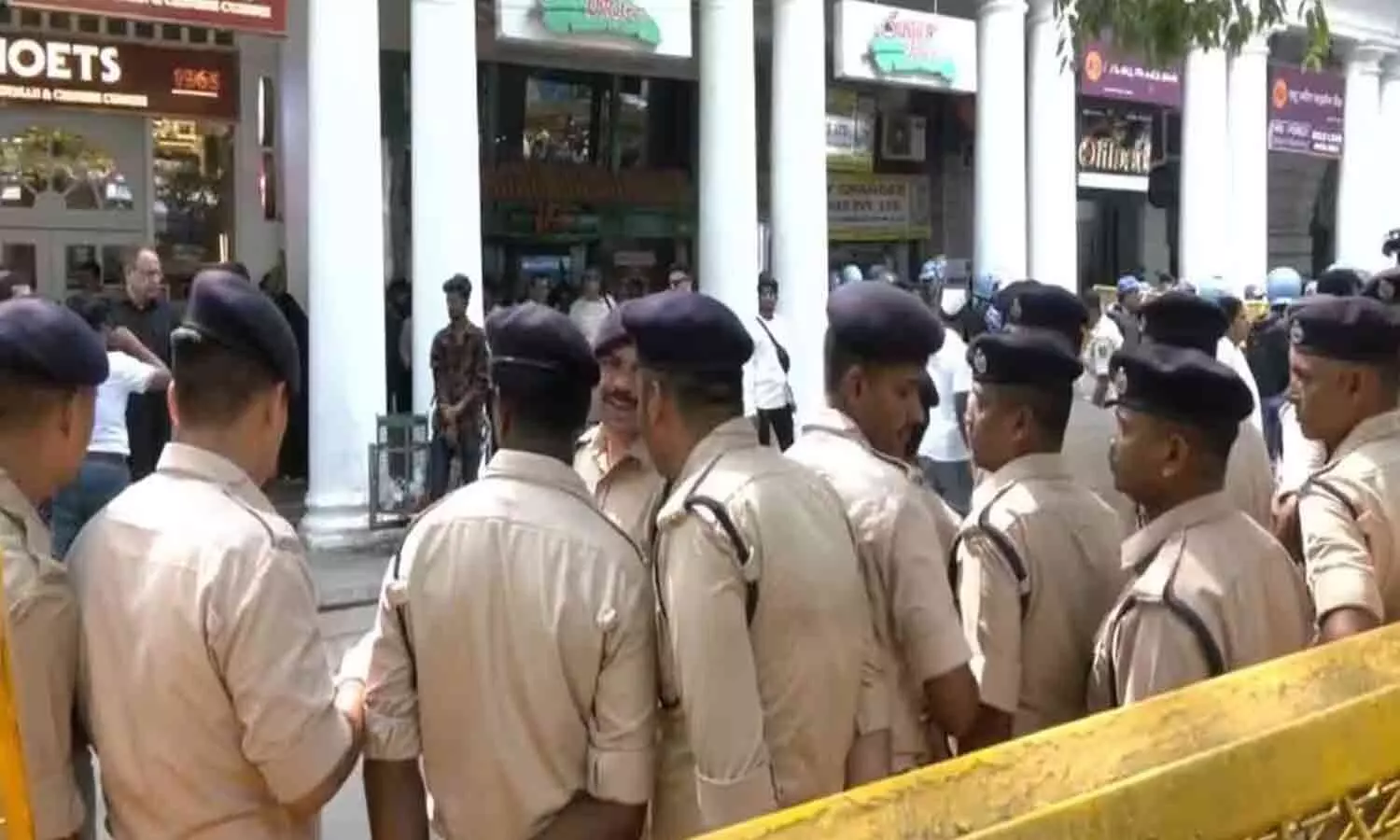
The Dharna Drama appears to have no end, as INDIA bloc MPs, along with Congress and Left-party activists and possibly their student wings, are likely to hit the streets, posing yet another challenge to the police and security forces.
This could also lead to several pleas being filed in the apex court alleging an “undeclared emergency” and contempt of court, as the Delhi Police may once again resort to preventive detentions, close entry and exit points of Metro stations, check vehicles, barricade roads, and take other restrictive measures.
Congress president Mallikarjun Kharge announced on Sunday that INDIA bloc MPs, led by Rahul Gandhi, would take to the streets and also seek a meeting with the Chief Justice of India (CJI). The big question is whether the CJI will agree to meet the MPs, as the head of the judiciary has not traditionally met such political delegations. This assumes significance because the apex court is expected to hear various petitions filed by different groups concerning alleged illegal detentions and the disruption of normal life in Delhi on Saturday.
Meanwhile, the Supreme Court, in an unusual move, took up petitions on Sunday concerning the reported detention of about 7,000 protesters and alleged violations of its orders regarding the operation of Metro train services. It also took up a large number of unlisted applications on the issue.
During a special sitting, the Supreme Court said it would hear all lawyers in connection with a plea seeking contempt proceedings against the authorities for allegedly blatantly violating the court’s direction that a “complete prohibition” on Metro and train services should not be imposed in Delhi in connection with the CJP protest.
A bench comprising Justices Joymalya Bagchi and V. Mohana said it would hear all parties and ensure that no inconvenience was caused, adding that the top court was always at the service of the nation.
Kapil Sibal and other lawyers told the court that contempt of court had occurred, alleging that life had come to a standstill in Delhi and that illegal detentions, heavy barricading and train cancellations had taken place. Sibal urged the court to direct the authorities to remove all barricades.
The Solicitor General informed the court that all Metro trains had operated and none had been cancelled. Only entry and exit gates had been closed for security reasons. He also said that the lawyers who had been detained were released by 2.30 pm.
Meanwhile, CJP leader Ashutosh Ranka, who was released on bail on Sunday morning, took to X and called Gyanesh Kumar a “traitor”, adding that he was ready to spend his life in jail.
CJP founder Abhijeet Dipke also took to X, saying, “Modi as PM is an embarrassment to India. Never has this country seen a bigger coward and bully.”
‘Embarrassment To India’: Abhijeet Dipke Slams PM Modi After Release From Detention
AP govt issues orders on BC reservations in urban local bodies
Gujarat local polls: Gandhinagar records 5.9 pc turnout in first two hours of voting
Chirag Paswan questions Rahul, Priyanka's silence on sexual harassment allegations against Congress MP
AP govt issues orders on BC reservations in urban local bodies
Kanaka Durga goddess at Indrakeeladri appears as Bala Tripura Sundari
CJP Leaders Get Bail with One-Year Peace Bond
‘May grace of Maa Jagadamba bring happiness, peace, prosperity’: PM Modi extends Navratri greetings
Saudi authorities say attack on Riyadh airport killed 12 people and wounded over 300
CJP Leaders Abhijeet Dipke, Saurav Das And Ashutosh Ranka Released After Detention


