




- BJP blasts Congress over ‘links’ with anarchic elements in pushing violent protests
- MP cabinet clears projects worth over Rs 23,288 crore; extends paddy registration deadline
- Siddaramaiah expressed dissatisfaction with sting op probe during meeting with LoP Gandhi: Rajanna
- PV Sindhu, Lakshya Sen Win Hylo Open Titles Amid Funding Concerns For Indian Shuttlers
- Heavy rain delays VMC poll counting, results likely by 7 pm
- 'Govt, private sectors must come forward to make Delhi a medical hub’: CM Gupta
- RBI eases export reporting compliance for freelancers, service exporters
- Murasu Wreaks Havoc, Leaves Trail of Destruction
Growing anxiety, rising poverty fuel Pakistan's mental health emergency
In Short
As per analysis of The Friday Times, the number of people living with mental health conditions increased from 30 million in 2019 to 32.4 million in 2023 which underscores the scale of psychological distress across the country.

Share :
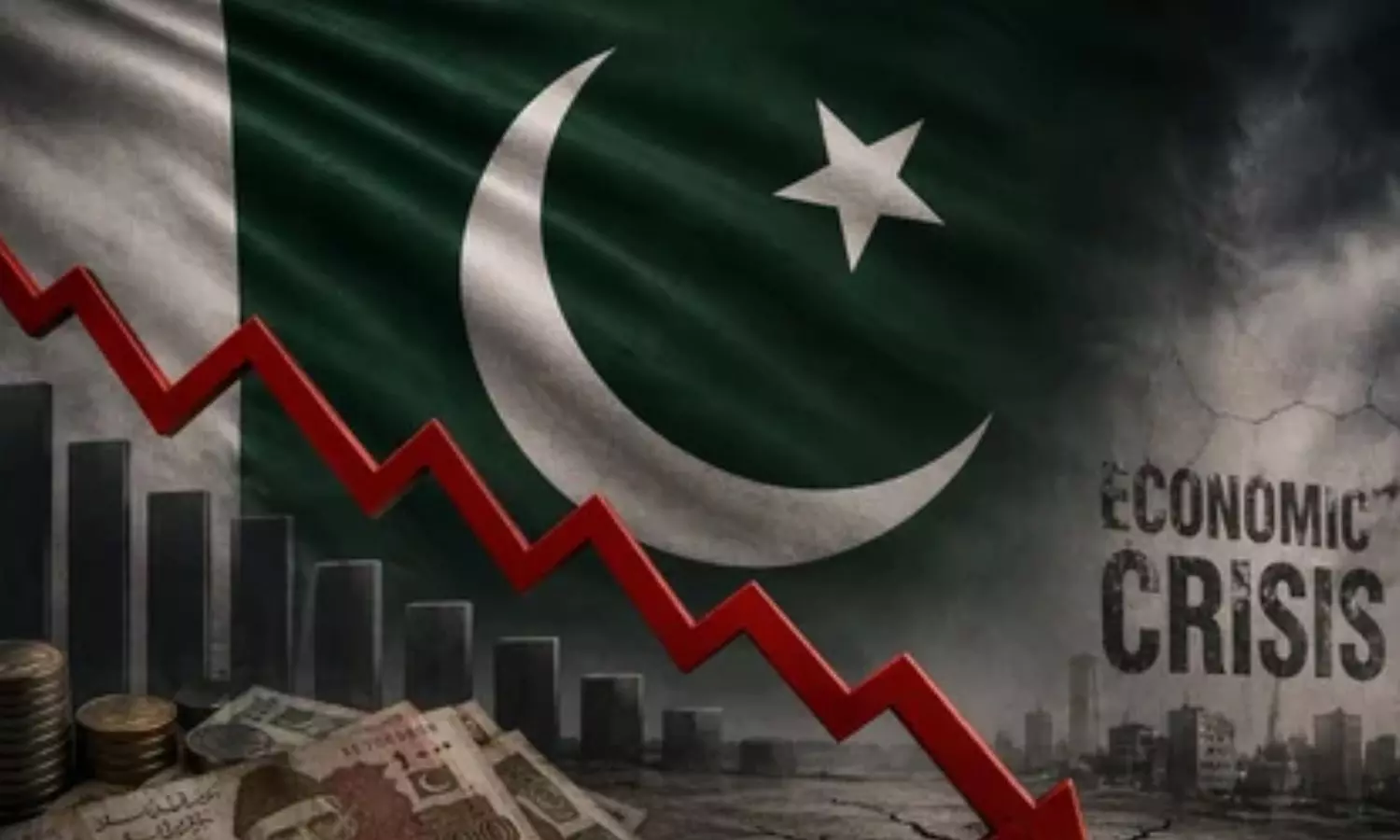
Pakistan is facing a growing mental health challenge
New Delhi: Pakistan is facing a growing mental health challenge as rising economic pressures, limited access to care and a severe shortage of specialists leave millions without adequate support, according to a report.
As per analysis of The Friday Times, the number of people living with mental health conditions increased from 30 million in 2019 to 32.4 million in 2023 which underscores the scale of psychological distress across the country.
It further showed that Pakistan has only about 1,050 registered psychiatrists nationwide which raised concerns about the healthcare system's capacity to meet growing demand.
Access to treatment is further constrained by uneven distribution of specialists, with availability particularly limited in smaller towns and rural areas.
The situation comes against a backdrop of mounting economic strain.
“Pakistan's economic circumstances have added another dimension to this crisis. According to World Bank figures cited for 2025, the national poverty rate reached 29 per cent, compared with 22 per cent in 2019,” the report said.
“It further estimates that 72.6 million people were living below the poverty line in 2024. Behind these figures are households making difficult choices between food, education, healthcare, and other basic requirements,” The Friday Times added.
The report also warns that prolonged financial hardship can trigger or worsen depression and other psychological disorders, creating a cycle in which economic difficulties and mental distress reinforce each other.
The shortage of mental healthcare infrastructure, coupled with social stigma surrounding psychological illness, means many people delay seeking help or suffer without treatment. Limited affordability of care remains another major barrier.
The trend has raised concerns about the broader social and economic impact of deteriorating mental well-being with the report calling for greater investment in mental healthcare services, improved public awareness and stronger social support systems to address what is increasingly being viewed as a national public health challenge.
Gujarat CM lays foundation stone for interfaith temple in Valsad
Get Clear Answers Early with a Non-Invasive Prenatal Paternity Test
SC defers Hawara's plea for transfer to Punjab jail after IB flags possible impact on Assembly polls
Sundar Pichai Disagrees With OpenAI’s Vision of an Interface-Free AI Future
AP Municipal elections results live updates: Counting begins
BJP chief Nitin Nabin to visit UP's Gorakhpur on Nov 4-5
Public safety is Coalition govt priority, says CM Chandrababu Naidu
Rajnath Singh to lead BJP's 'Loktantra Bachao, Arajakta Hatao' march in Bhopal tomorrow
'They didn't make Rahul Gandhi PM even at artificial Sansad': Uttarakhand CM Dhami's swipe at INDIA Bloc
BJP accuses AISA's Neha Bora of 'Hindu hate', claims she is 'inspired' by LoP Rahul Gandhi


