




- Tirupati Archer Ganesh wins gold, bronze at Asian Games
- UP, Haryana boys, Karnataka and UP girls reach semi-finals
- VROs Assn elects new state body unanimously
- Prakasam to benefit from Seema horticulture programme
- Kalki Bhagavan cremated with state honours at Ekam Kshetra
- Opposition parties take out rally against CEC over SIR
- Mega blood donation camp organised
- Kundeti receives prestigious FICS honour
US expands social media checks for visas
In Short
The new requirement took effect on October 1 and covers applicants for I visas issued to foreign media representatives, as well as TN visas for eligible Canadian and Mexican professionals and TD visas for their dependents.

Share :
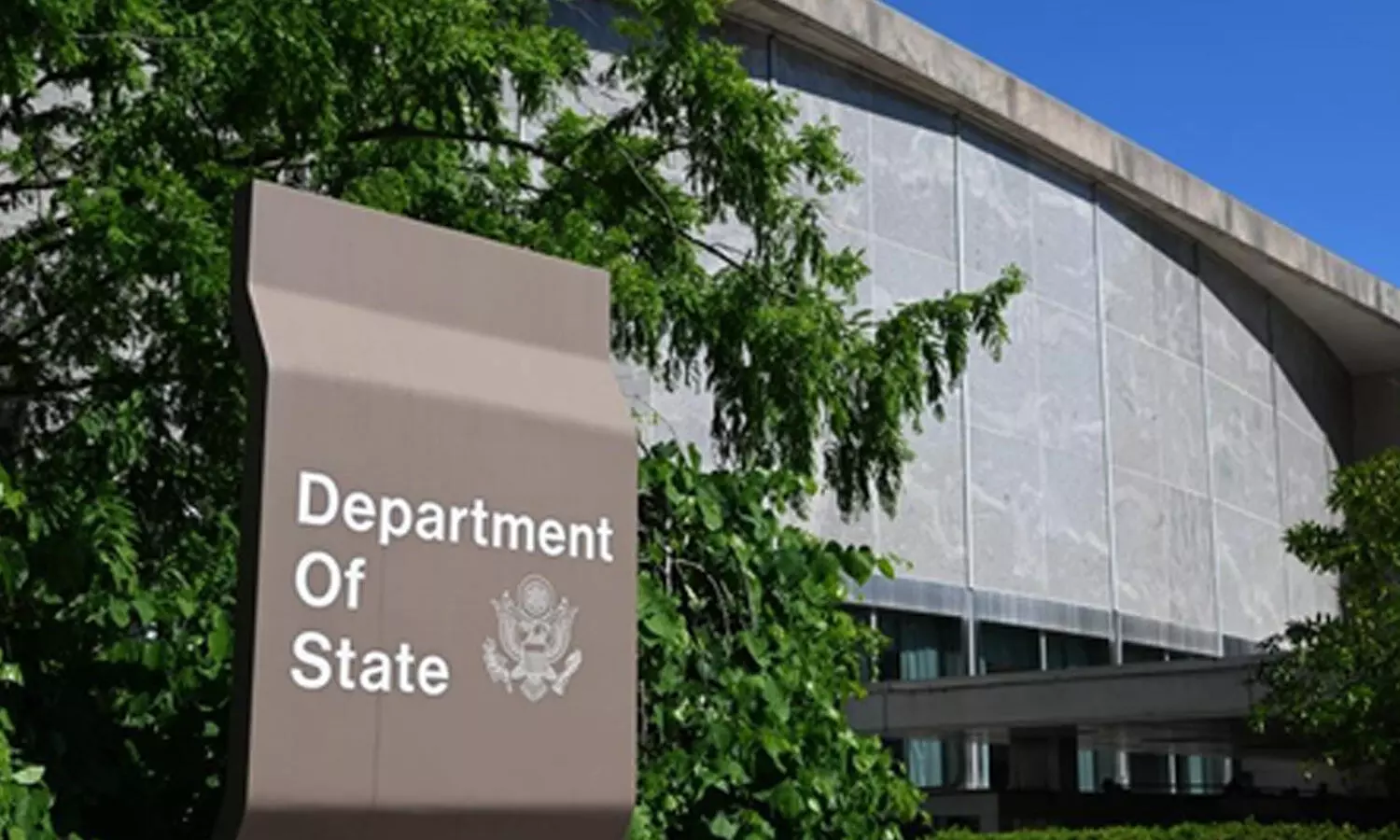
US expands social media checks for visas
Washington: The United States has expanded social media screening of visa applicants to foreign journalists and some professionals, requiring them to make their social media profiles public as part of enhanced vetting that already covers H-1B workers and international students.
The new requirement took effect on October 1 and covers applicants for I visas issued to foreign media representatives, as well as TN visas for eligible Canadian and Mexican professionals and TD visas for their dependents.
The State Department announced the expansion last month, but the measure became effective Wednesday.
“To support this vetting process, all applicants for I, TD, and TN nonimmigrant visas are instructed to set the privacy settings on all of their social media profiles to ‘public’ or ‘open,’” the State Department said.
The change is particularly significant for foreign journalists travelling to the United States for professional assignments because I-visa applicants are now explicitly covered by the expanded online presence review.
The measure also adds to a wider screening regime affecting several visa categories heavily used by Indians travelling to, studying in or working in the United States.
The State Department said online vetting already applies to H-1B temporary workers and H-4 dependents, as well as H-3 trainees.
It also covers F-1 and M-1 students and their F-2 and M-2 dependents, J-1 and J-2 exchange visitors, and several other non-immigrant categories.
Other visa classifications already covered include certain diplomatic and official visas, visas for religious workers, international cultural exchange participants and fiancé visas.
The State Department said it uses information available to it when screening applicants to determine whether they are eligible to enter the country.
“The Department relies on every available source of information during visa screening and vetting to identify applicants who may be inadmissible to the United States, including those who pose a threat to national security or public safety,” it said.
“We apply this rigorous vetting standard consistently across all visa applicants,” it added.
The department did not say in the announcement precisely how applicants' social media activity would be evaluated or what individual posts or online activity could affect a visa decision.
The requirement to make social media accounts public, however, gives consular officials greater ability to examine applicants' online presence during the adjudication process.
The State Department described visa adjudication as a national security decision and said applicants must demonstrate their eligibility for the category for which they are applying.
“Every visa adjudication is fundamentally a national security decision,” it said.
“The United States remains vigilant throughout the visa issuance process to confirm that applicants do not intend to cause harm to Americans or threaten US interests, and that each applicant can credibly demonstrate eligibility for the visa requested—including a genuine intent to abide by the terms of admission.”
The department added that receiving a US visa is “a privilege granted at the government's discretion, not an entitlement.”
The expansion comes as US authorities have increasingly incorporated applicants' online presence into immigration and visa screening. The latest change extends that review to another group of people whose work frequently requires travel to the United States, including correspondents and other representatives of foreign media organisations.
Belt shops big social menace in Old Khammam dist
El Nino ka baap? TG mulls dual power supply to feed data centres, IT cos
Breakfast scheme in govt schools: Quality food should be served to students: CM Revanth
Babus’ backseat driving: Higher edn dept, university leadership on the warpath?
Rahul’s insinuations against TCS are unfortunate
October 2: From commemoration to conviction


