




- WhatsApp tests AI photo expansion tool for iPhone users
- US lawmakers seek Nvidia answers on China claims
- Sensex touches 80,000 mark on strong FII comeback in festive season
- PM Modi expresses grief over seven deaths in Jharkhand road accident
- Pakistan reports ninth polio case from Khyber Pakhtunkhwa
- MP man brought back from Dubai in air ambulance, admitted to AIIMS Delhi
- Traffic advisory issued at Hyderabad's Charminar amid Diwali
- Petrol and diesel prices today in Hyderabad, Delhi, Chennai and Mumbai on 06 November 2026
US targets offshore network behind alleged scams

Share :
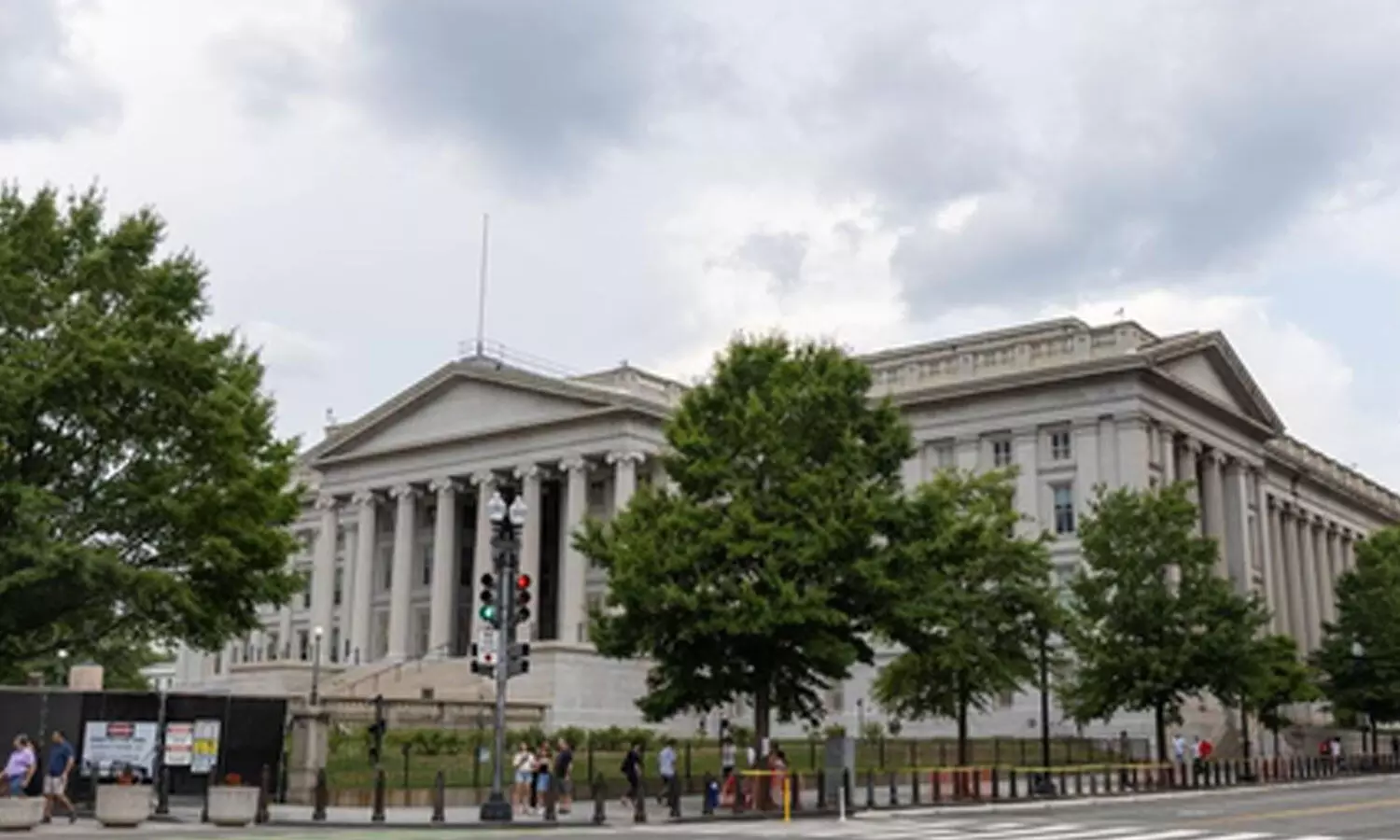
US targets offshore network behind alleged scams
Washington: The United States sanctioned four people and 41 companies linked to Cambodia’s Prince Group, targeting an offshore business network it accused of helping alleged cybercrime operators conceal assets and evade earlier restrictions.
The Treasury Department said the action focused on corporate structures and financial facilitators that sustained the group’s operations after sanctions imposed in October 2025 and June 2026.
“Cyber scam syndicates continue to steal billions of dollars from American victims,” Treasury Secretary Scott Bessent said.
Treasury alleges that Prince Group-linked operations generated billions through cryptocurrency investment fraud, romance scams and other online schemes. It says some operations relied on trafficked or coerced workers in Southeast Asian scam compounds.
The latest targets allegedly helped conceal company ownership, manage offshore businesses and transfer property for previously sanctioned executives.
In a separate designation, Treasury sanctioned Malaysian national Chui Kok Wa, accusing him of managing a Madagascar-based scam network that defrauded Americans of more than $400,000. Treasury did not identify him as part of the Prince Group network.
Prince Holding Group previously rejected allegations against the company and its chairman, Chen Zhi.
Chui already faces a separate US criminal case. On October 27, the Justice Department announced a wire fraud conspiracy charge against him, describing him as the alleged leader of a fraudulent investment scheme involving non-fungible tokens, or NFTs.
According to the department, evidence recovered from Chui’s phones included employment contracts, work schedules and bonus arrangements tied to stolen money. Overnight shifts in Madagascar corresponded with daytime and evening hours in the United States.
Prosecutors also said they found instructions telling workers how to manipulate victims’ emotions, alongside employee records and cryptocurrency wallet addresses.
Under OFAC rules, blocking freezes covered property within the United States or held or controlled by US persons. It does not transfer ownership to the government. The owner retains title, but cannot freely transfer, withdraw or otherwise deal with the property without authorisation.
Sporadic violence mars MPTC, ZPTC polls in AP
Tirumala Laddu Case: SC rejects plea to shift trial out of AP
5 TN fishermen found dead after Cyclone Murasu
CM Chandrababu Naidu to visit cyclone affected areas in Bapatla and Guntur districts today
CM Revanth Reddy sets December deadline for Kaleshwaram repairs
Winter chill to grip Telangana after November 7


