




- Ache Din for Delhiites? Central Delhi May Finally Be Free of Protests
- Denmark Open: Sindhu faces daunting An Se-young test; Satwik-Chirag set to return (Preview)
- Rahul Gandhi, 10 other INDIA bloc leaders file petition before SC against SIR of electoral rolls
- UP CM Yogi releases Rs 493 Crore subsidy to over 9 Lakh farmers hit by crop damage
- Newly elected Assam BJP MP rushes accident victim to hospital in his car
- No option but to meet Chief Justice of India: Karnataka CM Shivakumar
- Calcutta HC Chief Justice asks district judges to install metal detectors at court entrances
- 20 of 33 lakh Delhi SIR notice cases resolved, says CEO
Ache Din for Delhiites? Central Delhi May Finally Be Free of Protests
In Short
Hopefully, Delhiites will feel more comfortable as roads in Central Delhi, South Delhi, and other parts of the capital will be free from daily dharnas and protests that cause traffic jams and inconvenience to the general public.

Share :
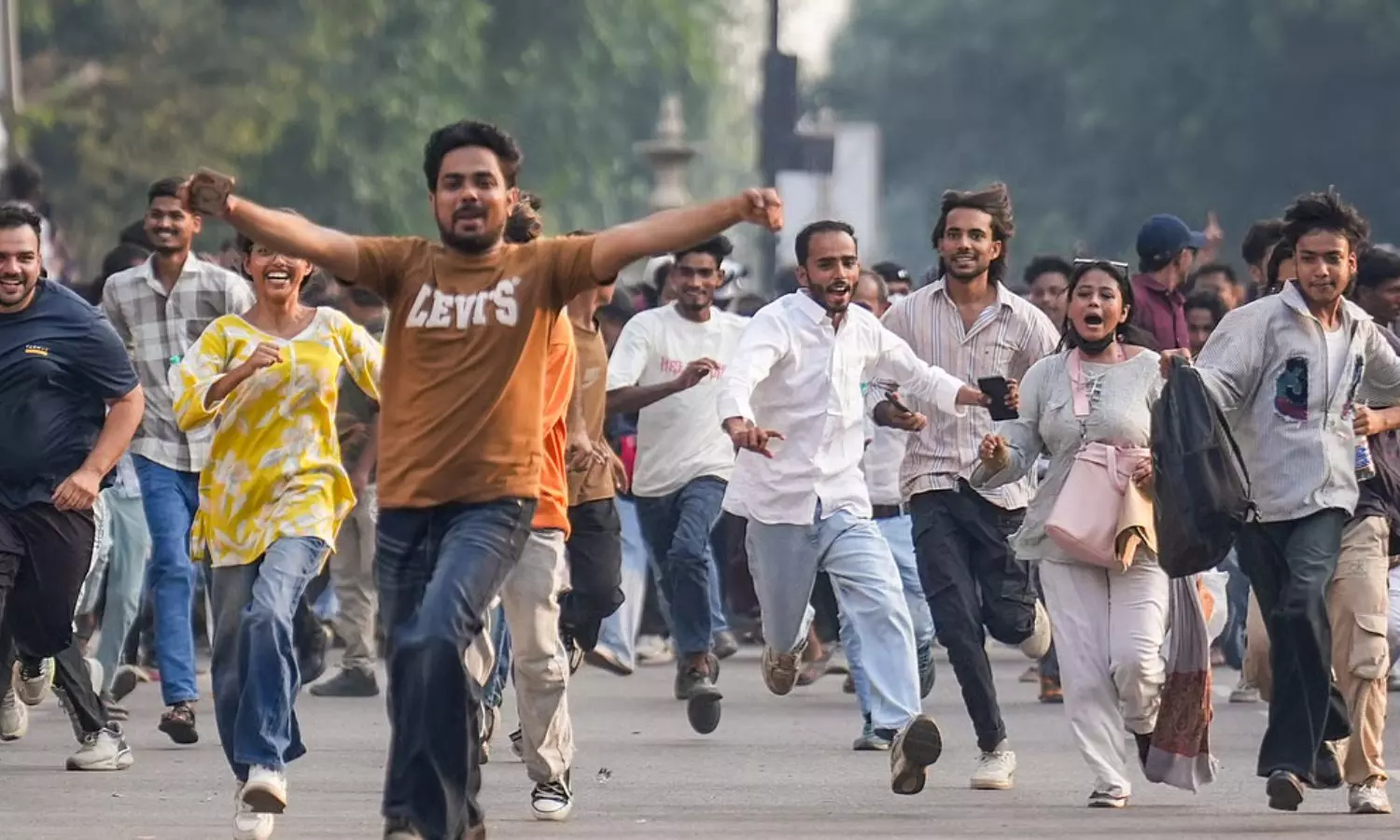
Delhiites will feel more comfortable as roads in Central Delhi
Hopefully, Delhiites will feel more comfortable as roads in Central Delhi, South Delhi, and other parts of the capital will be free from daily dharnas and protests that cause traffic jams and inconvenience to the general public. There should no longer be problems such as the closure of metro stations in Connaught Place and other areas, as the government has notified three new locations where protests can be held.
Jantar Mantar was designated as a protest site in the 1980s, following massive protests near the iconic Boat Club, close to Parliament and Rashtrapati Bhavan. Until then, the Boat Club had been the designated protest site. Since then, Jantar Mantar has remained the sole designated protest site in the capital, unlike in many other parts of the world, where multiple locations are available for demonstrations. Jantar Mantar can accommodate no more than 2,000 protesters.
Some argue that Delhi is not the only place where a designated protest site is centrally located.
They list Hyde Park, London: In the north-east corner of London's iconic Hyde Park, the Speaker's Corner is dedicated to free speech. It is a traditional site for public speeches and debates since the mid 1800s. Leaders, such as Karl Marx and Vladimir Lenin, as well as famous personalities like George Orwell, have spoken here.
In 1872, an Act of Parliament set aside this part of Hyde Park for public speaking. Even today, on a Sunday morning, it is not unusual to find crowds gathering at the Speakers' Corner to listen to enthusiasts expounding their views. Anyone can turn up unannounced to speak on any subject, as long as police consider their speeches lawful, according to its official website.
The difference is that in those places, rallies and demonstrations are frequently held on weekends on political, religious, and general issues, and the disruption for the general public is minimal.
Karnataka Congress Chief Alleges CJI Is Behaving Like a BJP Member
Rahul’s Big Claims: 200 Officers Feeding Him Information, Police and CRPF Backing Opposition; Protests to Intensify
Why Is CJI Not Meeting Us?” Congress Asks
Don’t Turn SC into a Political Battleground, CJI
‘Maan Na Maan,’ We Will March to SC. SIR Campaign Enters a New Political Phase
Fight the Government, Not the Common Man


