
Bombay High Court Grants Religious Festival Permissions To Historic Kolhapur Dargah

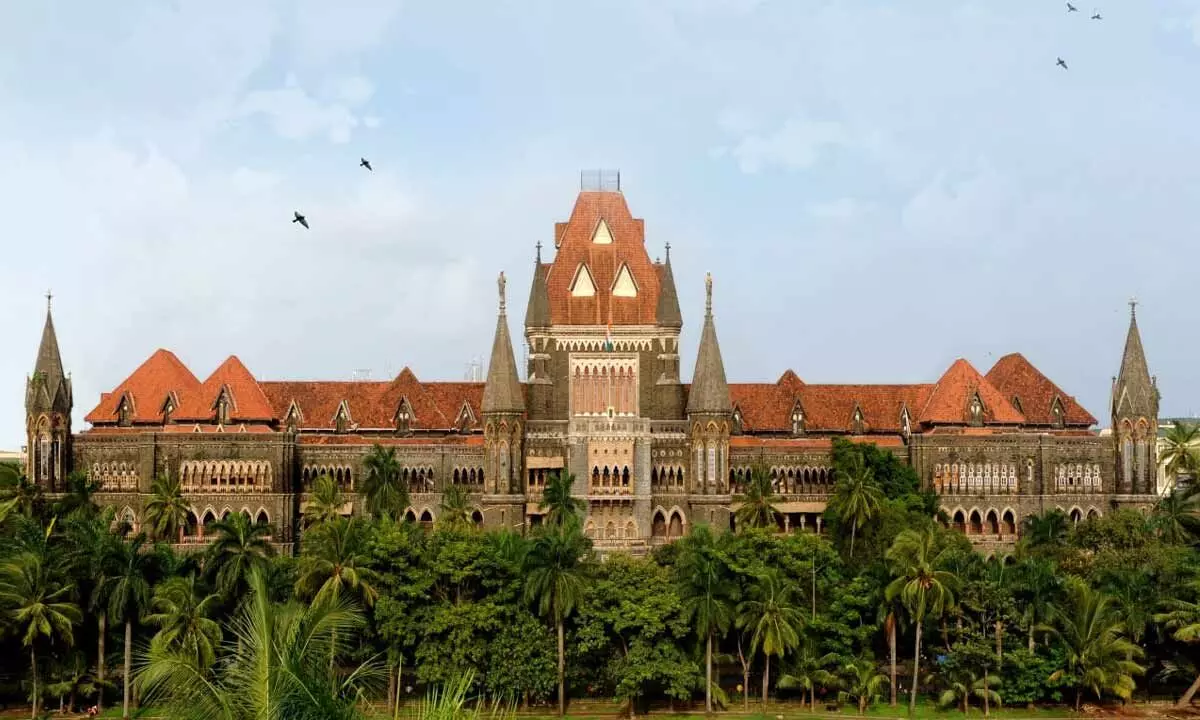
Bombay High Court
Bombay High Court permits animal slaughter for Eid al-Adha and Urs festival at Vishalgad Fort dargah in Kolhapur, criticizes authorities for delaying application processing despite existing court orders.
The Bombay High Court has authorized the continuation of traditional religious observances at a historic dargah in Kolhapur, allowing animal slaughter during Eid al-Adha (Bakrid) and the annual Urs festival. The judicial decision came after the court expressed strong criticism toward government authorities for their failure to process the religious institution's application in a timely manner.
Justices Dr. Neela Gokhale and Firdosh Poonawalla, presiding over Tuesday's proceedings, emphasized that their previous year's ruling had already established the legal framework for these religious celebrations. The bench pointed to their 2024 order that specifically permitted the dargah to conduct these significant Islamic observances.
Hajrat Peer Malik Rehan Mira Saheb's dargah, situated at the historically significant Vishalgad Fort in Kolhapur, had approached the High Court through legal representatives Satish Talekar and Madhvi Ayappan. The petition outlined their submission of applications to multiple government authorities seeking permission for animal slaughter on June 5-6, 2025, coinciding with Eid al-Adha, and for the subsequent Urs festival scheduled from June 7-12.
The legal challenge arose from administrative inaction, with petitioners asserting that despite timely submission of required documentation, authorities had failed to respond to their application. This bureaucratic delay threatened to disrupt religious observances that hold profound spiritual significance for the Muslim community associated with the dargah.
The Urs festival represents a particularly important religious occasion, commemorating the death anniversary of Peer Saheb through elaborate three-day celebrations held twice annually. The primary observance occurs following Eid al-Adha in June, with a secondary celebration from January 12-14 each year. These events draw thousands of devotees who believe in the spiritual presence of Hazrat Peer Malik Saheb descending to earth at the dargah.
Central to the festival's mystique is the renowned silver gate constructed near Peer Saheb's tomb, which according to centuries-old tradition, opens spontaneously on the first day of Urs without human intervention. This phenomenon is regarded by followers as a divine sign and forms a cornerstone of the religious observance's spiritual significance.
The current legal proceedings stem from 2024 complications when authorities initially refused permission for both animal slaughter and Urs celebrations, prompting the dargah's management to seek judicial intervention. The High Court's subsequent ruling not only granted the requested permissions but also resulted in judicial censure of officials for misinterpreting the court's directives.
Tuesday's ruling reaffirmed the continuing validity of the previous year's judicial decision, establishing precedent for future religious observances at the historic site. The court's stance reflects broader principles of religious freedom while emphasizing the importance of efficient administrative processing for legitimate religious requests.
This decision underscores the judiciary's role in protecting religious practices while holding government authorities accountable for prompt and fair handling of applications related to constitutional rights. The ruling ensures that traditional Islamic observances can proceed without administrative impediments, maintaining the centuries-old religious traditions associated with this significant Kolhapur landmark.








