




- MP Congress questions dairy cooperative decline ahead of HM Shah’s Bhopal visit
- Passenger tries to open plane’s emergency exit at Hyderabad airport
- PM Modi Speaks To Flydubai Pilot Smit Machchhar, Who Shares What Gave Him Courage During Attack
- Adani Group reaffirms commitment to Maharashtra with Rs 6 lakh crore investment blueprint: Pranav Adani
- PM Modi speaks to Capt Smit Machchhar, applauds his bravery
- Elon Musk claims Instagram is an app for girls
- Delhi Turns Fortress: Stage Set for ‘Save Democracy’ Showdown
- Lovlina Borgohain Wins Asian Games Gold On Her 29th Birthday
Delhi Turns Fortress: Stage Set for ‘Save Democracy’ Showdown
In Short
Keeping in view the unsavoury experience in July, which witnessed large-scale violence and injuries to more than 100 policemen, the Delhi Police has taken extensive measures to ensure that no untoward incident takes place.

Share :
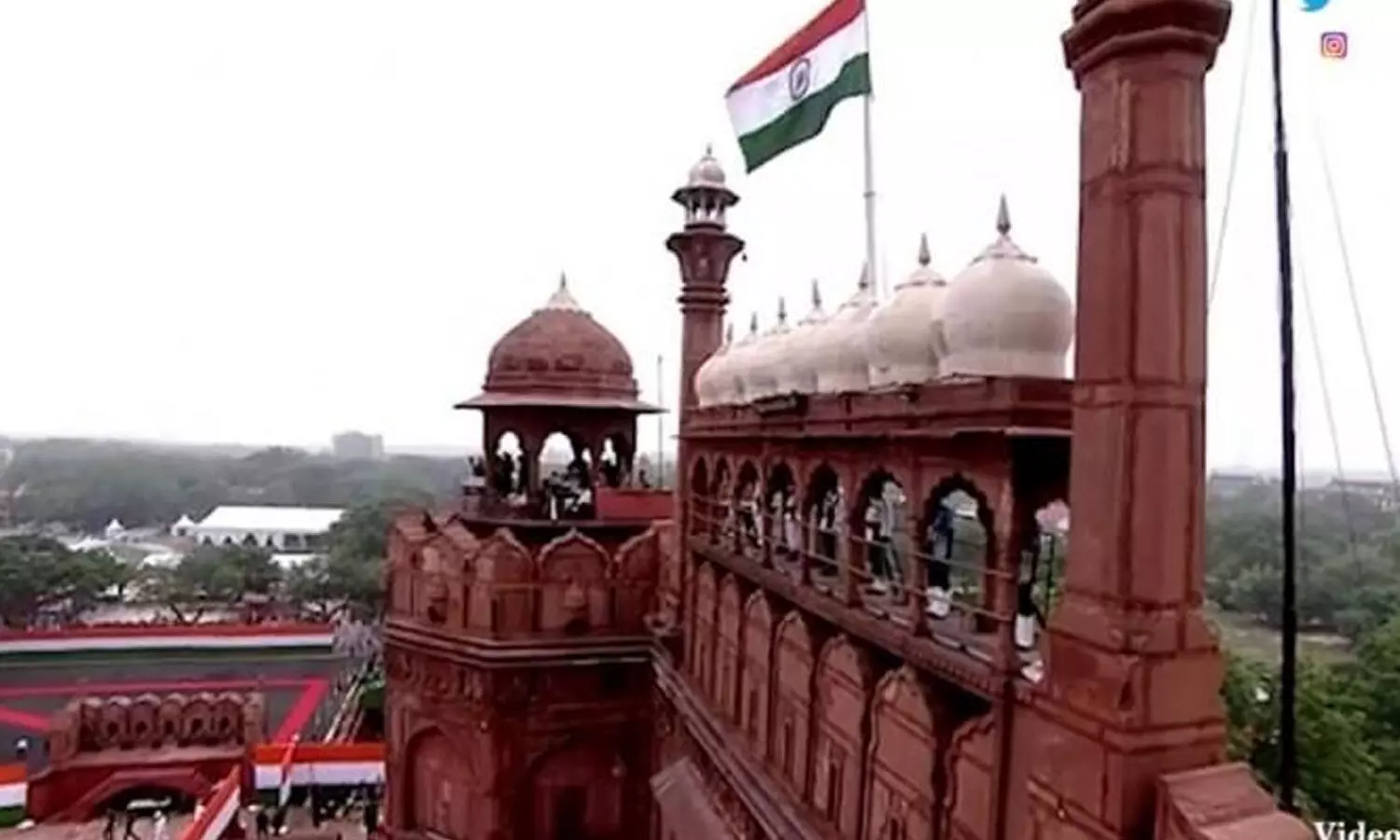
Delhi Turns Fortress: Stage Set for ‘Save Democracy’ Showdown
The stage for the ‘Save Democracy’ showdown is set in Delhi, ahead of the opposition protest scheduled to be held later today.
The call for the protest at Jantar Mantar was given by student organisations, including the All-India Students’ Association (AISA) and the Students’ Federation of India (SFI), which are expected to join the mobilisation. The Rashtriya Janata Dal (RJD), Congress and Aam Aadmi Party (AAP) are also likely to participate in the protest. AAP chief Arvind Kejriwal, however, did not turn up at the protest site. This has come as a relief to the Delhi Police, which feared that the situation could have taken a different turn.
Keeping in view the unsavoury experience in July, which witnessed large-scale violence and injuries to more than 100 policemen, the Delhi Police has taken extensive measures to ensure that no untoward incident takes place.
The police have not only imposed Section 163 of the Bharatiya Nagarik Suraksha Sanhita (BNSS), but have also begun taking people into preventive custody as they approach the Jantar Mantar protest site. The police have denied permission for protests and marches in the area.
The situation is currently under control, with the police detaining activists as they reach Jantar Mantar. AAP spokesperson Saurabh Bhardwaj was among those detained. AAP chief Arvind Kejriwal, however, did not turn up at Jantar Mantar.
The protesters are demanding the resignation of Chief Election Commissioner Gyanesh Kumar over allegations of irregularities in the Special Intensive Revision (SIR) process.
Meanwhile, entry and exit at 11 Delhi Metro stations have been closed as part of the security measures. Interchange facilities, however, remain available at selected stations.
The opposition’s allegations have gained further traction following recent decisions by the Election Commission relating to Form 6 and the restoration of some names that were earlier deleted from electoral rolls. Though the Commission may seek to justify these steps as part of the normal electoral process, the decisions have given the opposition fresh ammunition to argue that the poll panel is under pressure.
The allegations levelled by opposition parties and reports of differences among the three Election Commissioners have raised several questions that remain unanswered. The CEC's continued silence has only fuelled further doubts about the SIR exercise. A joint press conference by all three Commissioners could have provided an opportunity to address the concerns, clarify the position and put an end to speculation.
The ‘Save Democracy’ campaign will seek to raise concerns about the SIR exercise among voters through district-level marches and gatherings. The parties also plan to organise a larger rally outside the Election Commission’s office on October 6 as part of the campaign.
MP Congress questions dairy cooperative decline ahead of HM Shah’s Bhopal visit
Passenger tries to open plane’s emergency exit at Hyderabad airport
PM Modi Speaks To Flydubai Pilot Smit Machchhar, Who Shares What Gave Him Courage During Attack
Adani Group reaffirms commitment to Maharashtra with Rs 6 lakh crore investment blueprint: Pranav Adani
Mayawati hits out at Akhilesh Yadav over RS candidates, says SP deceiving PDA
President Murmu, PM Modi pay floral tribute to Mahatma Gandhi at Raj Ghat
‘May Bapu’s timeless message keep guiding us towards better society’: PM Modi on Gandhi Jayanti
Khairatabad bypoll: Vijaya Reddy seeks HC stay on notification
Remembering Lal Bahadur Shastri on birth anniversary: From activist to Prime Minister
Dinesh Kumar appointed 12th Pay Revision Commission chief


