




- 48 Years Of Chiranjeevi: Ram Charan Pens An Emotional Note For His Father
- Elon Musk Claims AI Will Dominate All Fields by 2028
- Election Commission Says All Decisions Unanimous After Report Of Internal Dissent
- If Election Commissioners were aware and allowed it, it’s serious assault on democracy: Priyanka Gandhi
- OPPO Find X10 Pro Max Launches With 3 200MP Cameras, 8,000mAh Battery
- Mayawati appoints Ishan Anand as BSP national Convener amid nepotism allegations
- Ilaiyaraaja Is Honoured In Australia With Ceremonial Stamp
- Nani’s Paradise Crosses $1M In North America Pre-Sales
Fresh Storm over ‘Vote Chori’
In Short
The ‘Vote Chori’ controversy has intensified after reports that two Election Commissioners raised objections to changes in voter-registration procedures and the Special Intensive Revision of electoral rolls. Opposition parties have demanded greater transparency, while the Election Commission maintains that all decisions were taken unanimously.

Share :
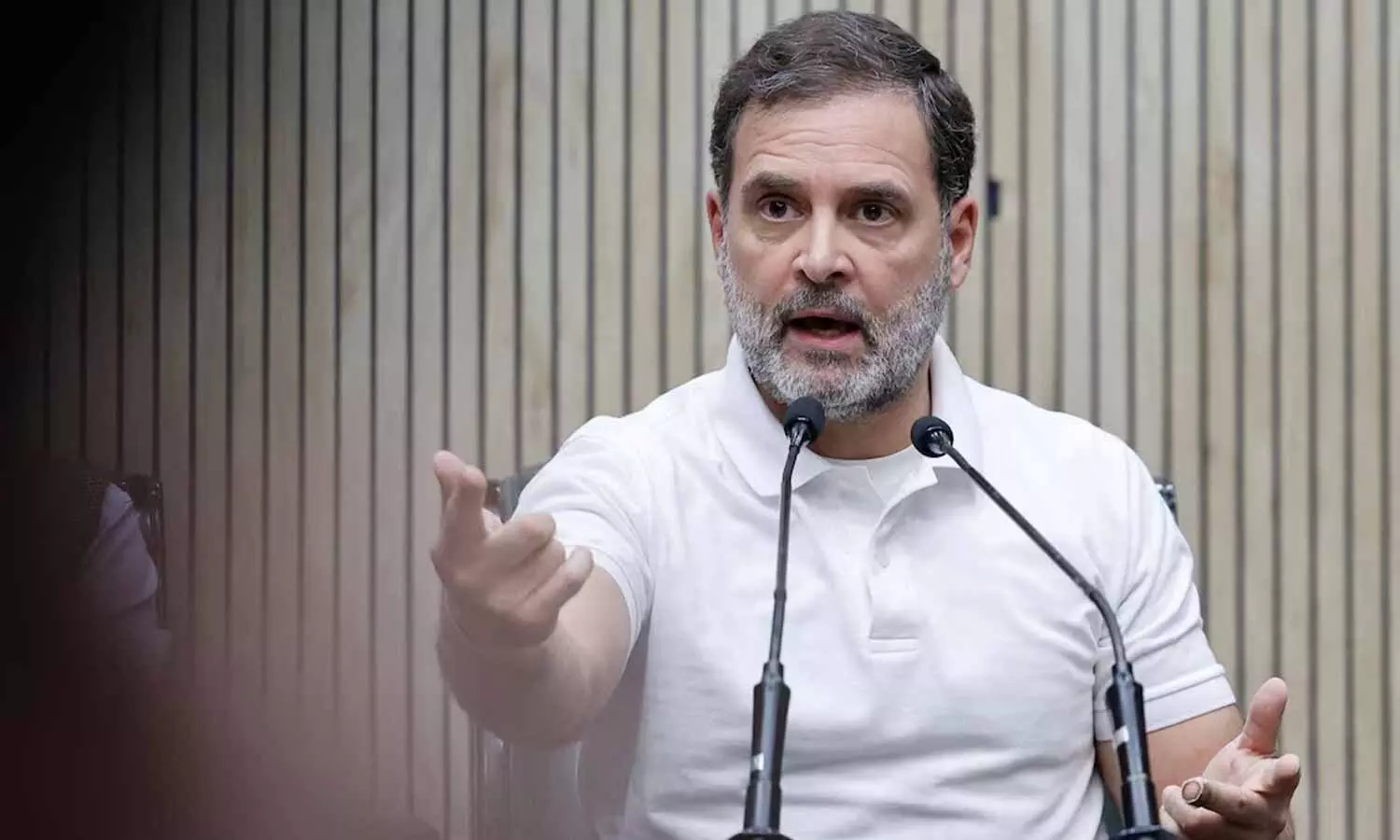
Leader of Opposition in the Lok Sabha Rahul Gandhi
The ‘Vote Chori’ issue is back in the spotlight and threatens to snowball into a major controversy following a report that Election Commissioners Sukhbir Singh Sandhu and Vivek Joshi had raised objections to changes made to statutory voter-registration Form 6. According to the report, the two Commissioners had questioned the legality of the changes and said they should be removed.
The controversy gained traction after a report in The Indian Express revealed that the two Election Commissioners had objected to several decisions concerning the Special Intensive Revision (SIR) of electoral rolls. The report said the Commissioners had recorded objections at least 14 times over the past 10 months.
Opposition parties lost no time in sharpening their attack on the Election Commission and demanded action against Chief Election Commissioner Gyanesh Kumar. The Congress dubbed the controversy “Gyaneshgate”.
Leader of Opposition in the Lok Sabha Rahul Gandhi alleged that the BJP, RSS and the Election Commission had committed an act of “treason” by organising what he described as “vote chori”. In a post on X, Gandhi said, “Vote chori is a crime against the Indian people and a direct attack on our Constitution.” He reiterated the allegation in a video shared on social media. Similar concerns were expressed by Wayanad MP Priyanka Gandhi Vadra.
Former West Bengal Chief Minister Mamata Banerjee demanded the arrest of the CEC and fresh elections to the Assembly with pre-SIR electoral rolls. She alleged that the BJP and the poll panel had “looted” the elections held earlier this year. She also announced plans for pan-India protests until the CEC resigns.
The Opposition has been critical of the SIR, alleging that the exercise could disproportionately affect voters opposed to the BJP. The Election Commission, however, has maintained that the revision is part of its constitutional responsibility to maintain accurate electoral rolls.
The Election Commission, meanwhile, has defended its procedures. It said all official orders, decisions and administrative directions issued by the Commission carry legal sanction and follow established statutory procedures. It also said that operational queries and suggestions raised by Commissioners during the drafting stage are part of normal administrative practice and are aimed at improving electoral processes.
The BJP has also defended the Commission and described the reported differences as part of institutional deliberation. BJP MP Sambit Patra said that the objections recorded by the two Commissioners should be seen in the context of internal discussions and described such deliberations as a sign of a healthy democracy.
Patra also accused the Opposition of repeatedly attacking constitutional institutions after electoral defeats. He said the SIR was undertaken following a unanimous decision of the three Election Commissioners.
The controversy therefore raises two separate questions. One concerns the specific legal process followed in changing Form 6, particularly the objections reportedly recorded by two Commissioners. The other concerns the broader allegations made by the Opposition about the SIR and the integrity of electoral-roll revisions.
At the same time, the Election Commission has rejected any suggestion that its formal decisions lack institutional validity, maintaining that its orders and directions follow established procedures. The Commission's official website currently lists Gyanesh Kumar as Chief Election Commissioner and Sukhbir Singh Sandhu and Vivek Joshi as the two Election Commissioners.
The immediate need, therefore, is for greater transparency on what exactly was proposed, what objections were recorded, what action was taken on those objections and under which statutory provisions the changes to Form 6 were made.
For that reason, the latest developments deserve a clear and factual explanation from the Election Commission by holding a joint press conference by all three ECs rather than becoming another round of political allegations and counter-allegations.
Fresh Storm over ‘Vote Chori’
Mamata Banerjee Demands Bengal Repoll, Seeks Arrest Of CEC Gyanesh Kumar Over SIR Row
“Never Detach from Your Roots”: President Murmu Advises Students
Cyclone Arnab to make landfall near Kalingapatnam, Odisha, AP to witness heavy rain
BRS announces Rs. 1 lakh financial aid to RIMS Hospital deceased kin
Opposition Targets Election Commission Over Reported Dissent, Congress Raises ‘Vote Chori’ Allegation


