






- President Droupadi Murmu arrives in Mizoram on three-day visit
- Abhishek issues whip to Trinamool MPs as CM Adhikari seeks NCPI support for Delimitation Bill
- Rift in MVA: Maha Congress reminds Sharad Pawar of RS backing amid delimitation row
- Mayawati welcomes 33 pc women’s quota, seeks separate reservation for SC/ST women
- Nifty, Sensex snap 4-week rally amid profit booking, higher crude prices
- Delimitation Bill approval clears path for women's reservation in 2029 polls, says UP CM
- Gold and silver rates today 28 Nov, 2026 slashes in Bengaluru and Chennai, check gold prices of 18K, 22K, 24K
- Gold and silver rates slashes today, 28 Nov, 2026 in Delhi, Mumbai, check gold prices of 18K, 22K, 24K
NDA Explains, Opposition Takes Refuge in Rhetoric
In Short
While "Empowerment of women is Modi's guarantee," BJP president Nitin Nabin said, Naidu backed the proposed delimitation exercise along with women's reservation, describing it as a "decisive step" towards empowering women.

Share :
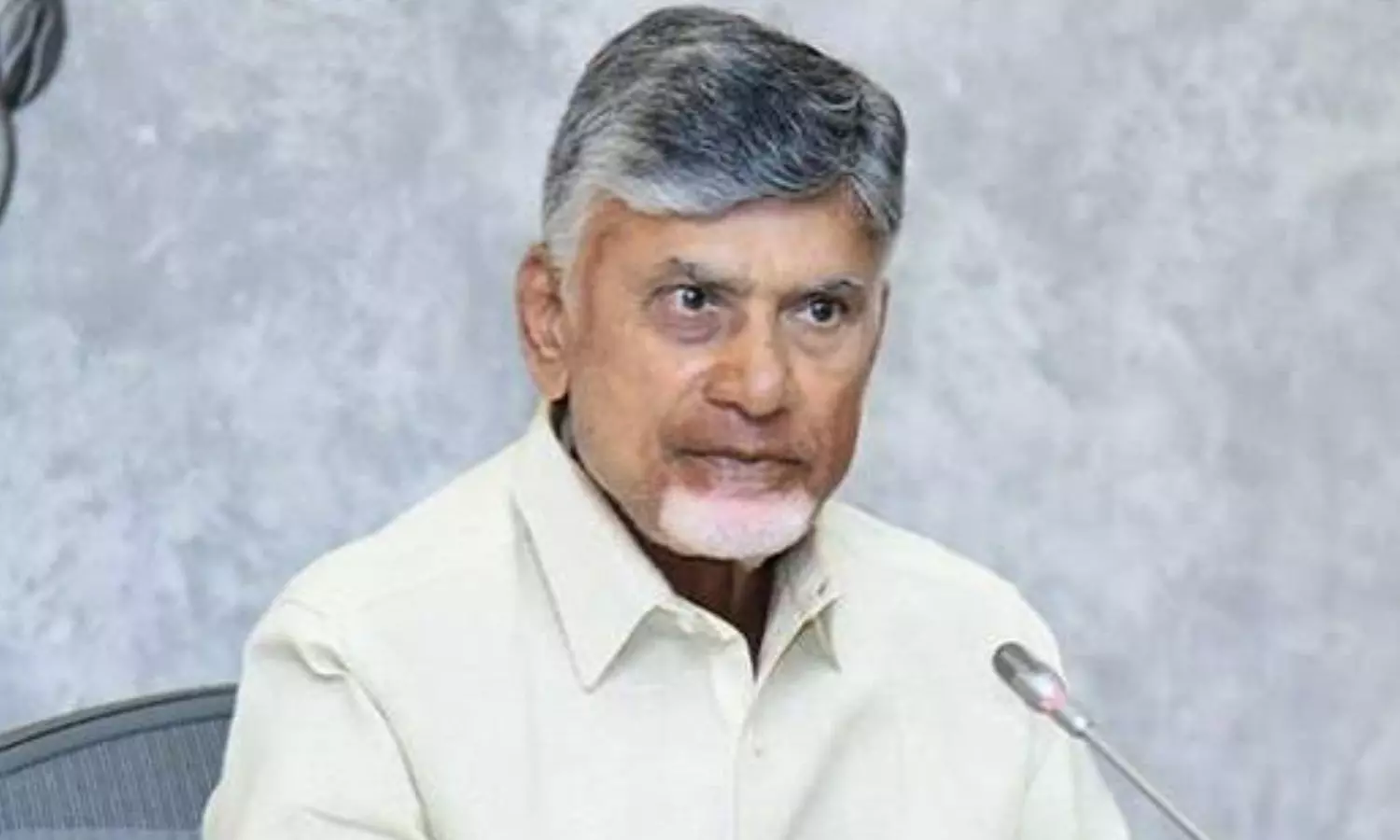
Andhra Pradesh Chief Minister N Chandrababu Naidu
The BJP and its allies, including the Andhra Pradesh Chief Minister N Chandrababu Naidu, on Saturday said the Delimitation Bill is not just a legislative reform but a decisive commitment to inclusive democracy and securing women's rightful role in nation-building, and asserted that the moment has arrived to fulfil its promise to India's Nari Shakti.
While "Empowerment of women is Modi's guarantee," BJP president Nitin Nabin said, Naidu backed the proposed delimitation exercise along with women's reservation, describing it as a "decisive step" towards empowering women.
He recalled that Andhra Pradesh had introduced reservations for women in local bodies as early as 1986, while around 60 per cent of seats were won by women in the latest local body polls.
“Women's reservation alongside delimitation is a decisive move towards empowering women and strengthening their representation under Prime Minister Narendra Modi's leadership,” said Naidu. He explained that the proposed 50 per cent increase in Lok Sabha seats would protect every state's existing share.
Under the expansion, Andhra's tally would rise from 25 to 38 seats while keeping the overall share of the southern states unchanged, he said and asserted that opposing the legislation would amount to denying women their rightful place in decision-making, Naidu said, urging parties not to repeat past mistakes and to support the proposal in the larger interest of women's empowerment.
Earlier, Deputy Chief Minister Pawan Kalyan extended support for the proposed delimitation reform, saying it would strengthen democratic representation by giving every state and region an adequate voice in Parliament.
According to Pawan, the proposal reflected the spirit of cooperative federalism by recognising the contributions and progress of different states while ensuring that their parliamentary representation was protected.
He also welcomed the proposed 33 per cent reservation for women in the Lok Sabha and state legislative assemblies, saying it would boost their participation in decision-making.
Union Home Minister Amit Shah also asked all political parties to support the Constitution (132nd) Amendment Bill to implement a uniform 50 per cent increase in Lok Sabha seats across states, calling it a "historic initiative" to make women strong partners in governance.
"Giving women a stronger role in elected representation has been a commitment of the Modi government. With the Union Cabinet's approval of the 132nd Constitution Amendment Bill under Modi's leadership yesterday (Friday), the decades-long wait of the country's women is about to end," Shah said on X.
NDA Explains, Opposition Takes Refuge in Rhetoric
MP: Jitu Patwari opposes delimitation before census, says Cong backs women's quota
INDIA Bloc's Blind Opposition: Long on Rhetoric, Short on Reason
Defiance to Compliance: Supreme Court Makes TVK Government See the Light
K’taka to adopt Japanese models in urban transport, waste management and industrial development
NDA 3.0 completes 200 days in Assam; CM Sarma highlights welfare schemes, jobs


