




- IndiGo flight from Lucknow to Dammam diverted to Ahmedabad after bomb threat
- In UP’s Mahoba, beneficiaries count benefits of Ujjwala Yojana and transition to clean fuel
- Rights body urges Pakistan to halt expulsion of Afghan medical students
- Telangana Govt Extends ₹1.20-Crore Accident Insurance Cover to Employees, Pensioners
- Karnataka: On right track, says Siddaramaiah as Shivakumar government completes 100 days
- ED conducts searches in MP over alleged diversion of NABARD loan by Nimar Agro Park
- Harish Rao lashes govt., demands to solve water and power issues
- Environment Minister Bhupender Yadav calls for tech-based tools to protect forests
Probe to Trace Absconding Accused in Satya Niketan Collapse.
In Short
The Delhi Police, which has formed several teams, is examining mobile phone records and online chat histories to establish what transpired immediately after the incident.

Share :
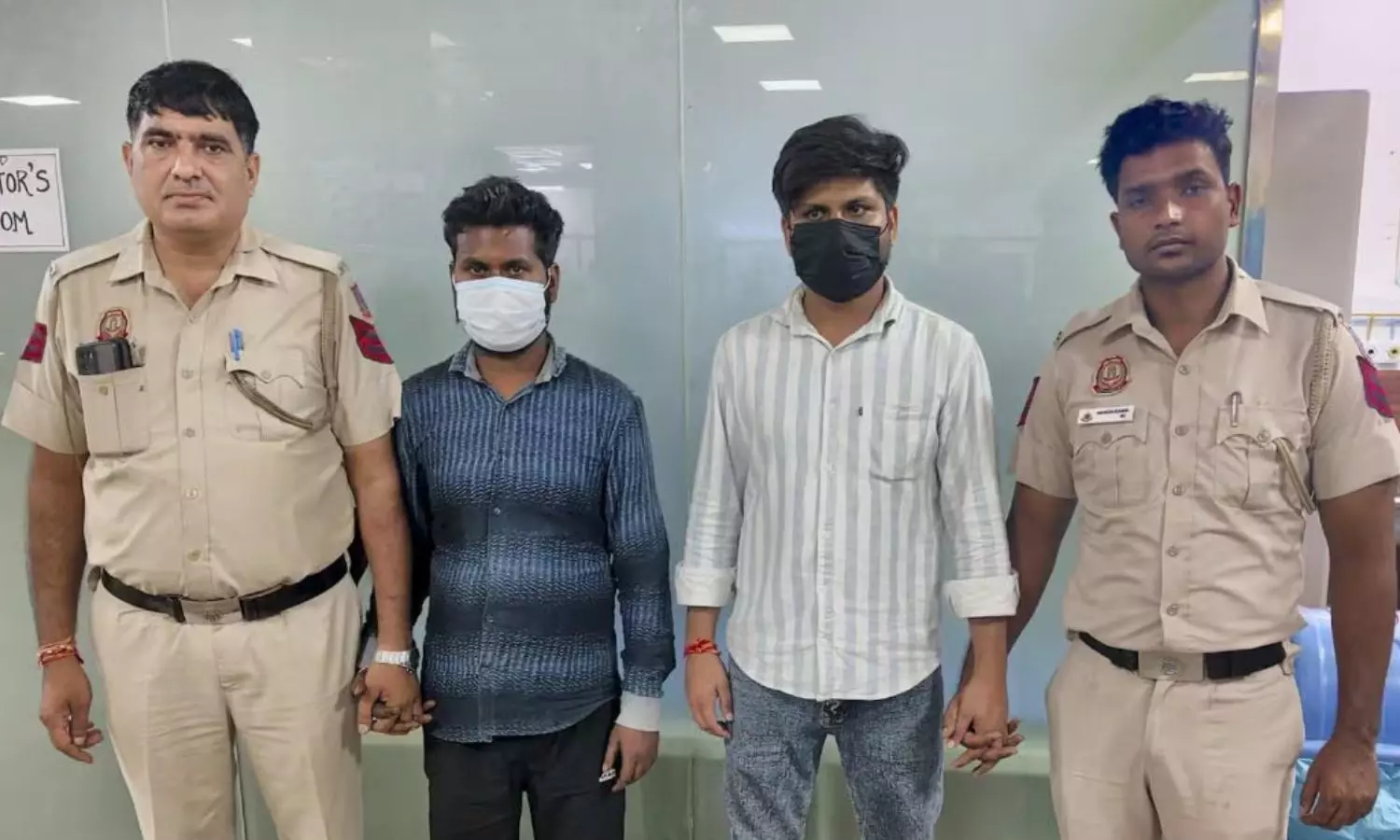
Delhi Police, probing the circumstances that led to the collapse of the Satya Niketan building on Monday
New Delhi: The Delhi Police, probing the circumstances that led to the collapse of the Satya Niketan building on Monday, September 7, is likely to arrest Shubham Tyagi, one of the accused in the case, who is currently absconding.
The Delhi Police, which has formed several teams, is examining mobile phone records and online chat histories to establish what transpired immediately after the incident. According to police, the mobile phone of another accused, Sudhanshu Lovneesh, who has already been arrested, has been sent for forensic examination. Seven people lost their lives in the building collapse.
According to available information, Sudhanshu has been in the paying guest (PG) accommodation business with his friend Shubham Tyagi since 2022. They operate under the name “Hostel Daze” and are reportedly running seven PG facilities in the Satya Niketan area, police said.
The duo had taken the property on rent for ₹1.05 lakh per month. Police claim that they agreed to the relatively low rent because of the building’s dilapidated condition.
Police said Sudhanshu was in his office, barely 100 metres from the building, when it collapsed. Police have obtained his call detail records (CDRs) and are examining them as part of the investigation.
The police are probing the case from multiple angles, including whether renovation and construction work carried out at the property contributed to the collapse.
Police said that after taking over the property, Sudhanshu and Shubham Tyagi did not undertake any major repairs except painting the walls. However, investigators are conducting a detailed probe to determine whether any substantial renovation or structural work was subsequently undertaken and whether it may have weakened the building.
The police are also trying to ascertain whom Lovneesh called immediately after the collapse and what discussions he had with them regarding the incident.
According to sources, a wall on the ground floor was removed on the day of the incident to create space for a shop. Repair and extension work was also reportedly underway on the ground floor for alleged commercial purposes.
Basement work had begun around eight to 10 days before the collapse. Police subsequently arrested labour contractor Sanoj Kumar from Uttar Pradesh on Tuesday. Sanoj had been engaged for repair and construction work on the ground floor. As wastewater began accumulating in the basement, three truckloads of debris were reportedly dumped there to raise the basement level to that of the ground floor.
So far, police have arrested building owner’s son Mahesh Gupta, labour contractor Sanoj Kumar and PG operator Sudhanshu Lovneesh. Building owner Hariram Gupta, 81, and his wife, Urmila, 75, are also in judicial custody.
Police said Shubham Tyagi remains absconding and teams have been dispatched to Haryana, Rajasthan, Uttar Pradesh and several other places to trace and arrest him
TMC leader Abhishek Banerjee’s aide arrested
Surge in Dengue cases-Ahmedabad on Health Alert
SC Notice on Plea Seeking Pension, Social Security for Private School Teachers
Sarang helicopter display reflects enduring bonds of friendship between India and Egypt: IAF
BJP’s ‘Ballari Chalo’ Yatra Ends After 175 km, Sudhakar Reddy Hails Party Cadres
K’taka’s new Vande Mataram protocol: Full song for national programmes, two stanzas for state govt events


