




- Wagon R Next-Gen Spied -What’s new
- Happy Ganesh Chaturthi : Send Best Wishes & Messages to family & friends
- VHP welcomes HM Shah's UCC announcement; says move will advance women, child rights
- India women’s Asia Cup triumph clouded by narrow politics
- EET Retail acquires leading UK independent forecourt network SGN Retail
- Woman Biker Hit By Car In Gurugram After Asking Driver To Keep Distance
- Anthropic CEO Dario Amodei says AI firms lied, warns of technology’s dangers
- International Chocolate Day 2026: Celebrating the Legacy of Milton Hershey
India’s data centre capacity likely to touch 8 GW by 2030
In Short
India’s data centre capacity is projected to reach 8 GW by 2030, driven by rapid digitalisation, e-governance growth, and investments worth $160 billion. The sector is expected to play a key role in supporting the country’s expanding digital economy.

Share :
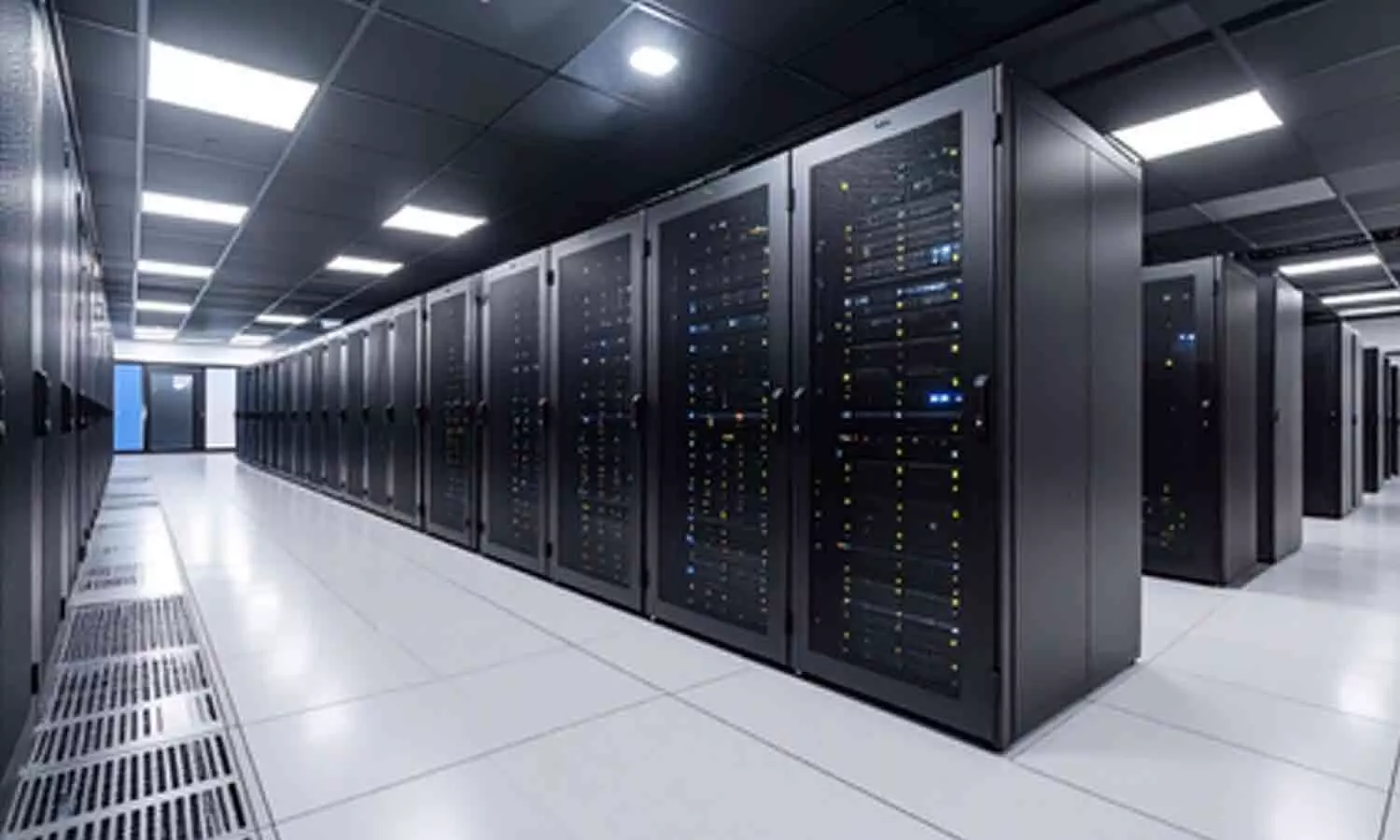
India’s data centre capacity likely to touch 8 GW by 2030
New Delhi: India’s installed data‑centre power capacity has risen sharply to 1.57 GW (as of August 2026) from about 375 MW in 2020, an official factsheet said on Monday.
The capacity is projected to expand to nearly 8 GW by 2030 amid roughly $70 billion of ongoing investments and a further $90 billion in announced projects.
India’s data-centre journey has evolved alongside the rapid expansion of e-Governance and digital services, with rising citizen expectations for online services increasing demand for robust data-centre infrastructure.
The National Informatics Centre (NIC) has established state-of-the-art National Data Centres across the country. These include facilities at NIC Headquarters in Delhi, Pune, Hyderabad and Bhubaneswar.
NIC has also established 37 smaller data centres at various state capitals. These facilities provide reliable digital services to Government institutions at different levels. They support round-the-clock operations, system management and skilled onsite personnel.
“Data centre capacity is expanding rapidly, making energy and resource efficiency increasingly important. Data centres require reliable electricity and efficient cooling systems for continuous operations,” the official statement said.
According to the Central Electricity Authority (CEA), Ministry of Power, demand could reach 17 GW by 2031–32. As the sector is expanding, the government is also promoting cleaner energy and efficient resource use to support sustainable sectoral growth, the statement noted.
India’s digital economy is entering a new phase of rapid growth and technological transformation, while digitalisation is reshaping productivity, competitiveness and service delivery across sectors.
As digital services expand, they are generating unprecedented demand for computing capacity, data storage and high-speed connectivity. Meeting this demand requires infrastructure that can operate continuously, securely and at scale.
Data centres provide this critical foundation, powering the digital services that increasingly drive India’s economy and governance, said the official factsheet.
CM Chandrababu Naidu offers prayers with family on Vinayaka Chavithi
Amazon suspends 21 Air operations after fatal Miami cargo plane crash
Ganesh Chaturthi celebrations sweep India; devotees throng Maharashtra temples, pandals
Apple launches iOS 27 today: New features, compatible iPhones and download
The Consequences of not Replacing your CAR Battery when not Working
Vinayaka or Ganesh Chaturthi 2026: Whatsapp Status


