






- Amit Shah unveils bust of Ajit Pawar in Pune; reveals the 'secret' behind his entry into Mahayuti
- Anbumani Ramadoss seeks urgent recruitment as TN govt colleges face faculty shortage
- Trinamool infighting: Ritabrata faction's X account suspended, blames Mamata group
- Apple Smart Glasses May Launch in 2027, Takes on Meta Ray-Bans
- Mahesh Babu’s Varanasi Team Teases A Massive Update
- Adani Group a hard-asset play, Jefferies bullish on six firms amid $51 billion capex
- Drought forcing K'taka farmers to sell cattle at throwaway prices: BJP
- Jay Shah Reappointed As ICC Chairman For Second Term, Elected Unopposed
Intel Regains Desktop CPU Market Share as AMD Slips
In Short
Intel has strengthened its position in the desktop processor market, gaining five percentage points as AMD loses ground despite growth in server and mobile CPU segments.

Share :
Intel Regains Desktop CPU Market Share as AMD Slips
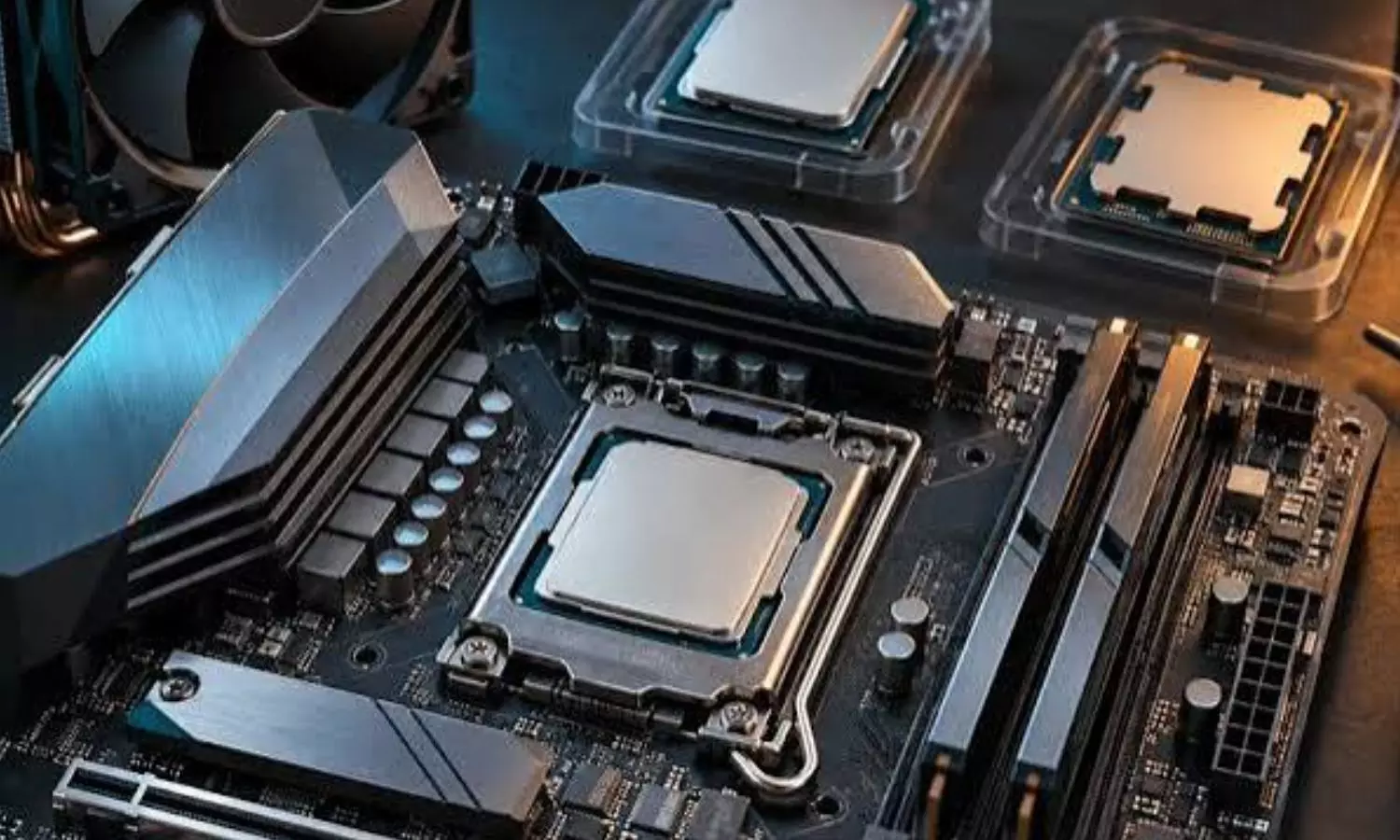
Intel has made a comeback in the desktop processor market, gaining five percentage points in market share during the third quarter of 2026. The development marks the chip maker's first sequential increase in overall x86 CPU market share since the second quarter of 2025, while rival AMD has lost ground in the desktop segment.
According to a report by Mercury Research, Intel's desktop CPU market share climbed to 70.1 per cent in Q3 2026, compared with 65.1 per cent in the previous quarter. AMD, meanwhile, saw its share fall to 29.9 per cent from 34.9 per cent in Q2 and 33.6 per cent during the same period last year.
The shift comes amid a challenging period for the PC industry, with rising memory prices and supply constraints affecting demand. While desktop processor shipments gave Intel a boost, the broader client CPU market continued to face pressure. Data centre processors, however, remained a stronger area for the industry.
What helped Intel gain ground?
Mercury Research has not identified a definite reason behind Intel's sudden improvement in desktop shipments. However, the research firm believes changing demand patterns in the laptop segment may have played a role.
“It’s difficult to know the driver of this for sure, but we speculate that due to the lower mobile CPU demand, Intel could allocate more products to the desktop market, which normally sees a significant demand increase in the third quarter, and Intel had been under-supplying this market earlier in 2026,” it said.
AMD may have also missed out on the seasonal improvement in desktop demand because of its stronger exposure to gaming PCs. Supply problems in the graphics card market have affected this segment, making consumers less willing to invest in new gaming systems.
“We believe another component to Intel’s gains here is AMD’s greater exposure to the PC gaming market, which has suffered due to supply constraints of gaming GPUs,” it said.
Higher prices of graphics cards, memory and storage have further added to the pressure on gaming PC sales. Intel's established relationships with original equipment manufacturers (OEMs) and system builders may have helped it maintain stronger desktop shipments.
AMD continues to grow in servers
Despite losing desktop market share, AMD is making progress in other areas. The company has increasingly focused on server processors and data centre products.
“We are a data centre first company,” AMD CEO Lisa Su told Yahoo Finance earlier this month.
AMD's server CPU market share reached a record 35.5 per cent in Q3, up from 34.5 per cent in the previous quarter and 27.8 per cent a year earlier. Intel retained a 64.5 per cent share.
AMD also increased its mobile CPU share to a record 29.2 per cent, compared with 21.9 per cent a year ago.
Across the overall x86 market, Intel held 69.9 per cent, while AMD's share slipped to 30.1 per cent.
According to Jon Peddie Research, the industry shipped 68.93 million x86 processors during the quarter. This included 60.8 million client CPUs and 8.13 million data centre processors.
Looking ahead, both companies expect client CPU shipments to decline by more than 20 per cent sequentially in the next quarter. Server processor demand, however, is expected to remain strong.

Democracy under threat in Andhra Pradesh: YSRCP
INDIA Bloc Seeks Permission To Question CEC Gyanesh Kumar In Supreme Court, Submits 48 Questions On SIR
PM Modi arrives in Manila to attend ASEAN-India Summit and East Asia Summit
FM Sitharaman chairs 1st pre-Budget consultation with leading economists
Mekedatu Test for Vijay: Will He Take Up Tamil Nadu's Cause with Sonia
"It Was Between Modibhai and Me, Not Congress and BJP": Pitroda


